Everything You Need to Know About Cleaning Roof Shingles
Discover the best methods to clean your roof with shingles and improve its longevity. Learn how to clean your roof …
June 27, 2022
7 MIN READ
Florida's climate delivers a year-round assault of blistering heat, storms, humidity, and hurricane-force winds on your home. A roof built for milder conditions won't survive here, and failure shows up fast. Choosing the best roofing materials for Florida weather is crucial for long-term cost savings and safeguarding your home during hurricane season, when protection matters most.
Whether you're near the coast or inland, understanding how different materials perform will help you make informed decisions that accommodate regional climate demands.
The Sunshine State's geography creates unique challenges for roofing materials. As a long peninsula, the state experiences distinct microclimates that vary from the Panhandle to the Keys. Your roof doesn't face occasional bad weather — it endures a relentless, year-round assault from multiple environmental threats.
Different climate zones determine how quickly roofs age and fail. A material that performs well in Central Florida might face different challenges near coastal areas. To withstand Florida's weather, roofing needs to serve as a comprehensive defense system.
Long periods of intense heat cause thermal shock, where roofing materials rapidly expand during scorching days and contract at night. This constant cycle weakens seams, cracks standard materials and accelerates deterioration.
Roof surface temperatures routinely exceed 150° Fahrenheit during the summer months, especially on darker roofing. Combined with relentless UV radiation, this heat breaks down standard asphalt shingles faster than in northern climates. UV-resistant features and heat-reflective coatings become essential components rather than optional upgrades for Florida roof types.
Daily afternoon thunderstorms define Florida's seasonal changes. These intense precipitation patterns test waterproofing and flashing systems every single day. Water intrusion from repeated storms causes more cumulative damage than homeowners realize.
Florida is the most humid state, and the constant humidity creates another hidden threat. This trapped moisture creates ideal conditions for the growth of algae, mold and mildew. These organisms eat away at standard shingles and rot underlying roof decks when proper ventilation is lacking.
From June through November, Florida is in hurricane season, which poses catastrophic threats to your home. Seasonal storms deliver a triple assault of hurricane-force winds, flying debris and heavy rainfall, overwhelming drainage systems.
Since categories one to four hurricanes remain a constant threat, Florida enforces some of the strictest building codes in the nation to prevent catastrophic roof failures during severe weather.
Homes near the Gulf of Mexico or the Atlantic Ocean face powerful coastal influences. Salt spray travels miles inland, carried by prevailing winds. This constant exposure creates corrosion challenges that inland properties don't experience.
Salt rapidly corrodes standard metal fasteners, flashing and untreated metal roofing panels. As a result, coastal homes require specialized marine-grade materials, like aluminum or galvalume with protective coatings, to prevent the roof from deteriorating from the outside in. Without these climate-specific roofing materials, corrosion compromises structural integrity within years instead of decades.

Selecting the right materials requires balancing up-front costs against long-term cost-effectiveness and weather resistance. The materials that offer the best regional suitability combine proven durability with specific features designed for Florida performance factors.
Evaluating wind ratings, impact resistance and energy efficiency becomes crucial before choosing from the recommended roofing materials for Florida. Each option below addresses specific challenges posed by Florida weather.
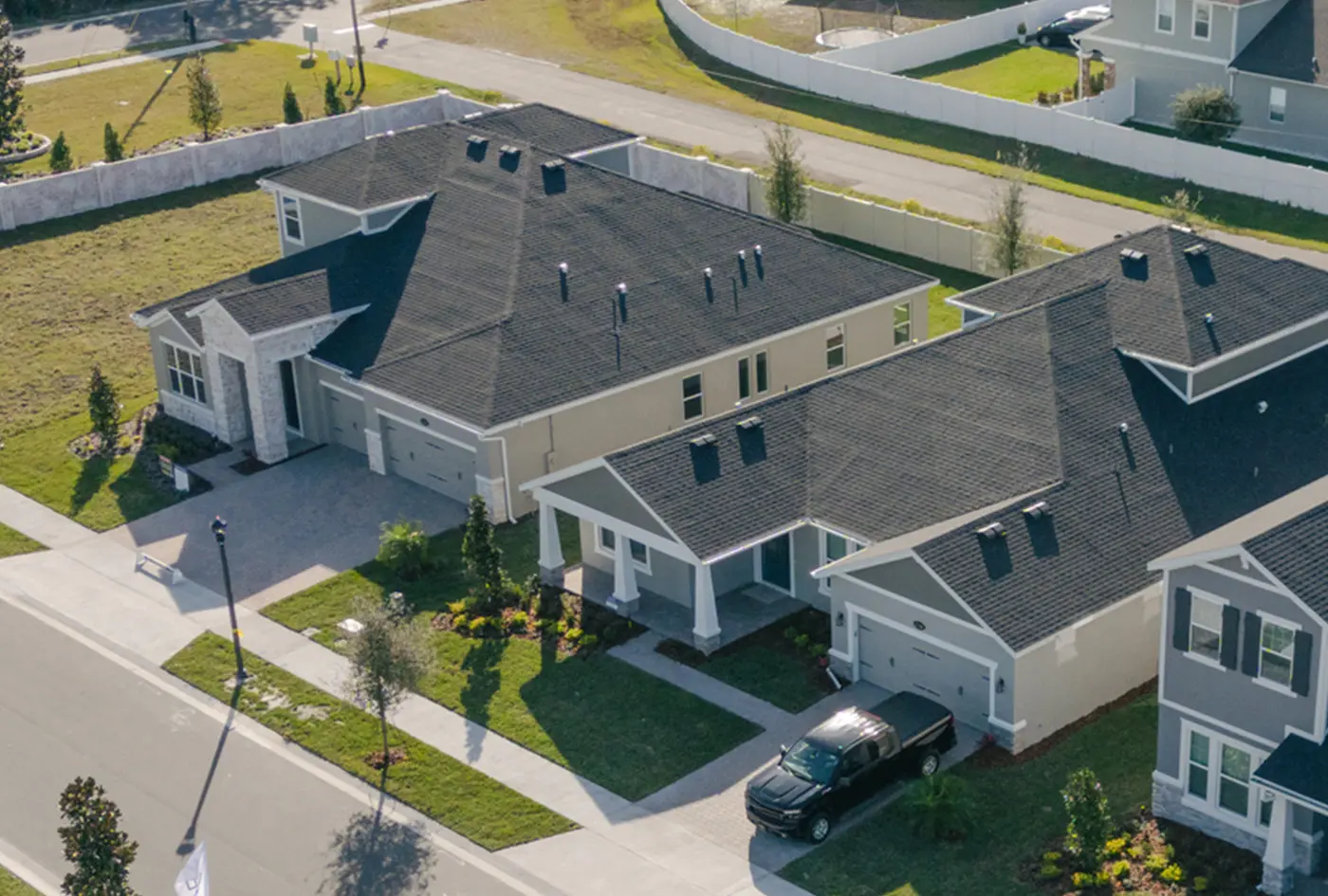
Architectural asphalt shingles are thicker and heavier than standard shingles, delivering better all-around performance while offering enhanced aesthetic appeal. Premium options often feature 130 mph wind ratings and built-in algae-resistant technology, both crucial for local storms and winds. They must provide impact resistance to withstand flying debris during hurricanes while remaining wind-resistant in the region's demanding coastal environments.
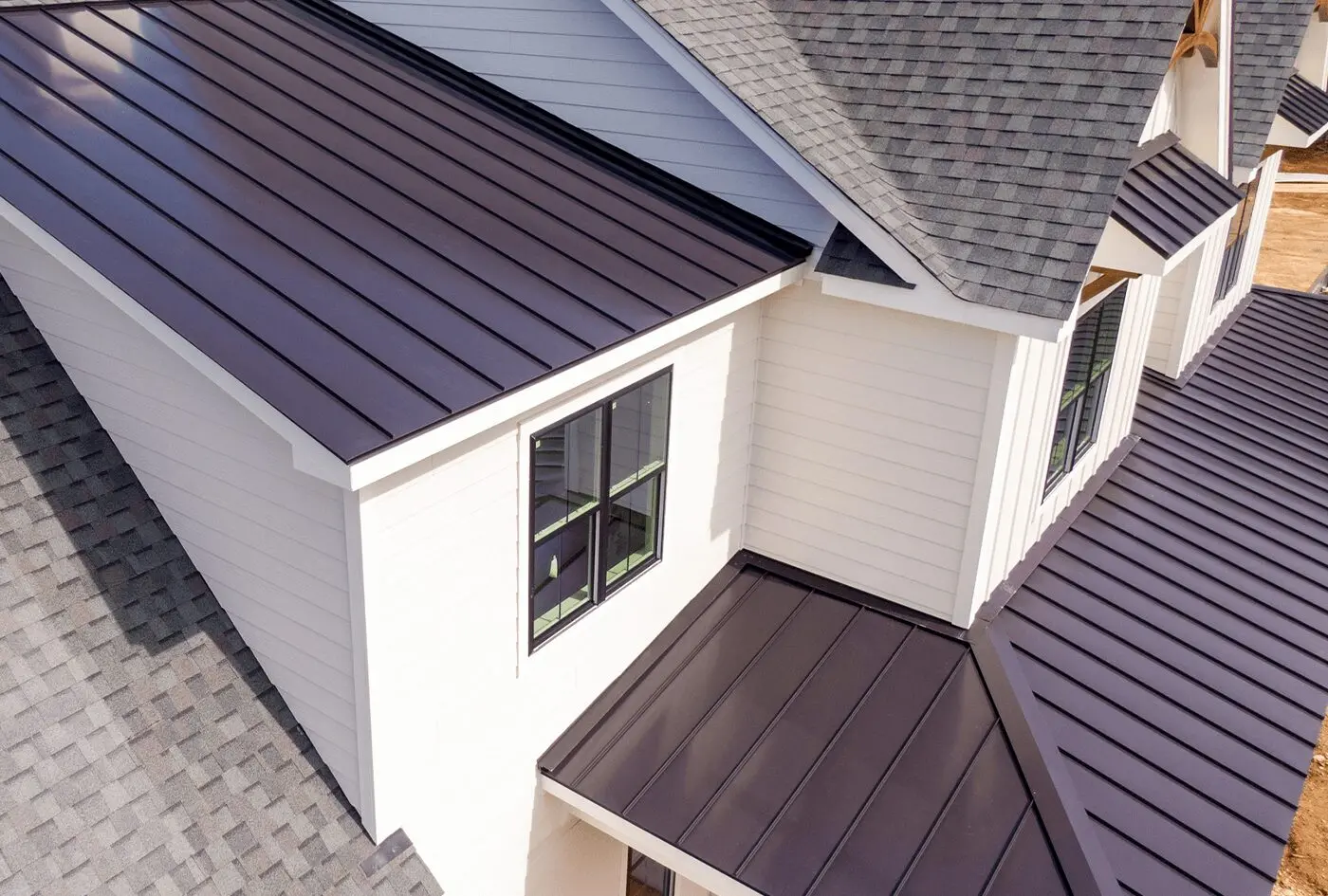
The performance of metal roofing in Florida is characterized by ultimate protection against extreme weather and an impressive lifespan of over 40 years. This roofing material also offers energy savings that offset higher initial costs.
Standing seam metal roofing excels thanks to its hidden fasteners, which prevent wind uplift and eliminate leak points. These systems offer superior hail resistance and wind resistance in Florida up to 160 mph. Corrugated metal provides a budget-friendly alternative with excellent protection against local weather. Both options qualify as excellent regional roofing solutions for demanding environments.
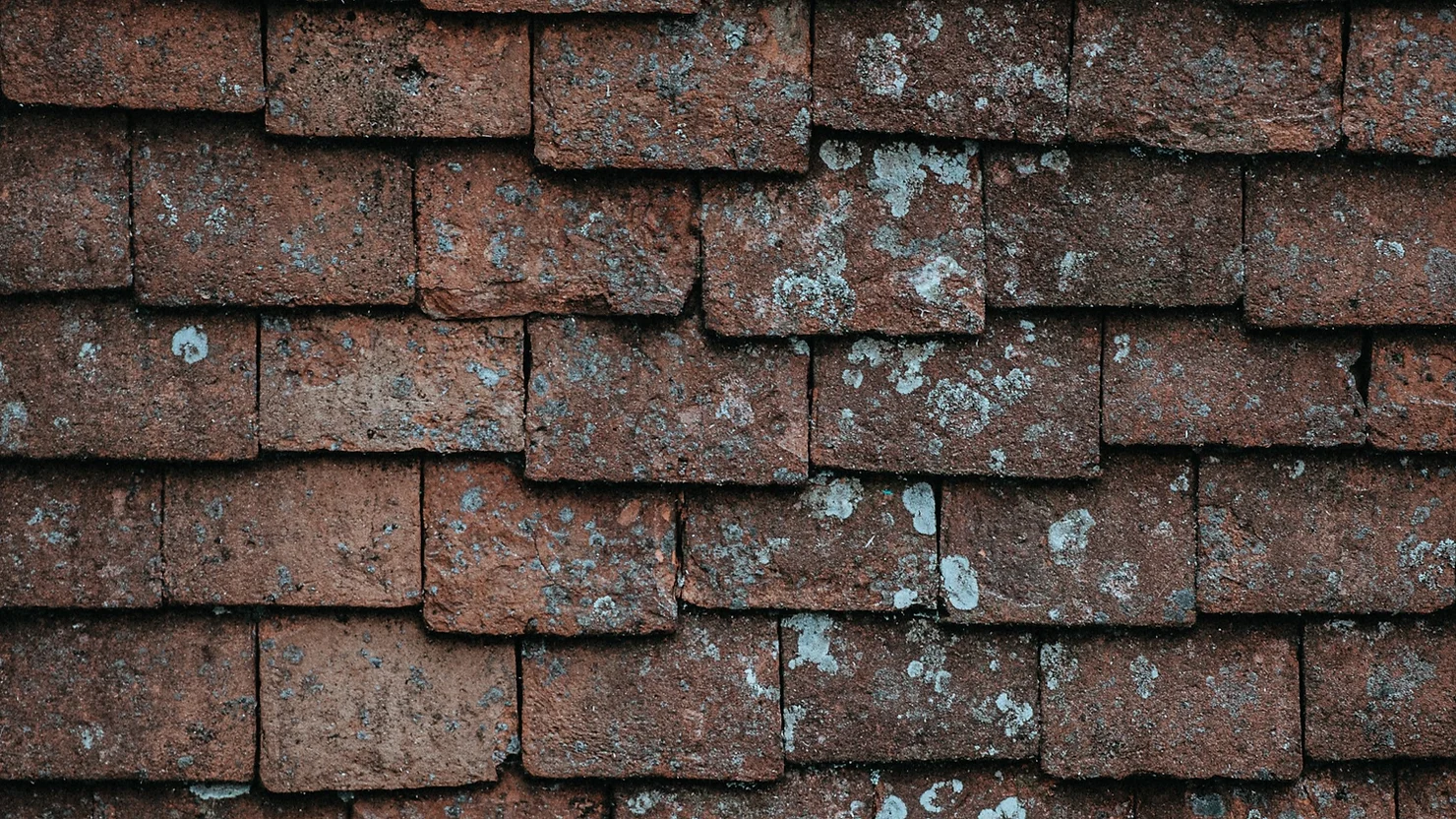
Concrete, clay and slate roofing are premium options that offer heavy-duty protection as a long-term investment. These natural materials perform well against heat and high winds while adding distinctive architectural character.
These materials excel at resisting rot, insects and UV degradation. Their natural properties make them ideal for historic home considerations and properties where longevity justifies higher up-front costs. However, their substantial weight requires strong structural support, so not all homes can accommodate these materials without reinforcement.
When properly installed with adequate structural backing, tile and slate address specific Florida climate needs and can last 50 to 100 years or more.
Strict Florida building codes for roof assemblies specify requirements for the minimum design, materials, construction and installation requirements for roofing to ensure weather protection and structural integrity. Here are the main performance factors that align with regulatory standards:
Even the best materials fail without proper installation in Florida. The difference between a roof that survives decades of weather exposure and one that fails prematurely often comes down to installation expertise and attention to code requirements.
Roof ventilation and adequate attic airflow help regulate heat and moisture. Poor ventilation traps hot air, degrading materials from below and creating conditions for mold growth. Secondary water barriers, similar to ice and water shield but adapted for hurricane zones, prevent leaks if primary roofing blows off during storms.
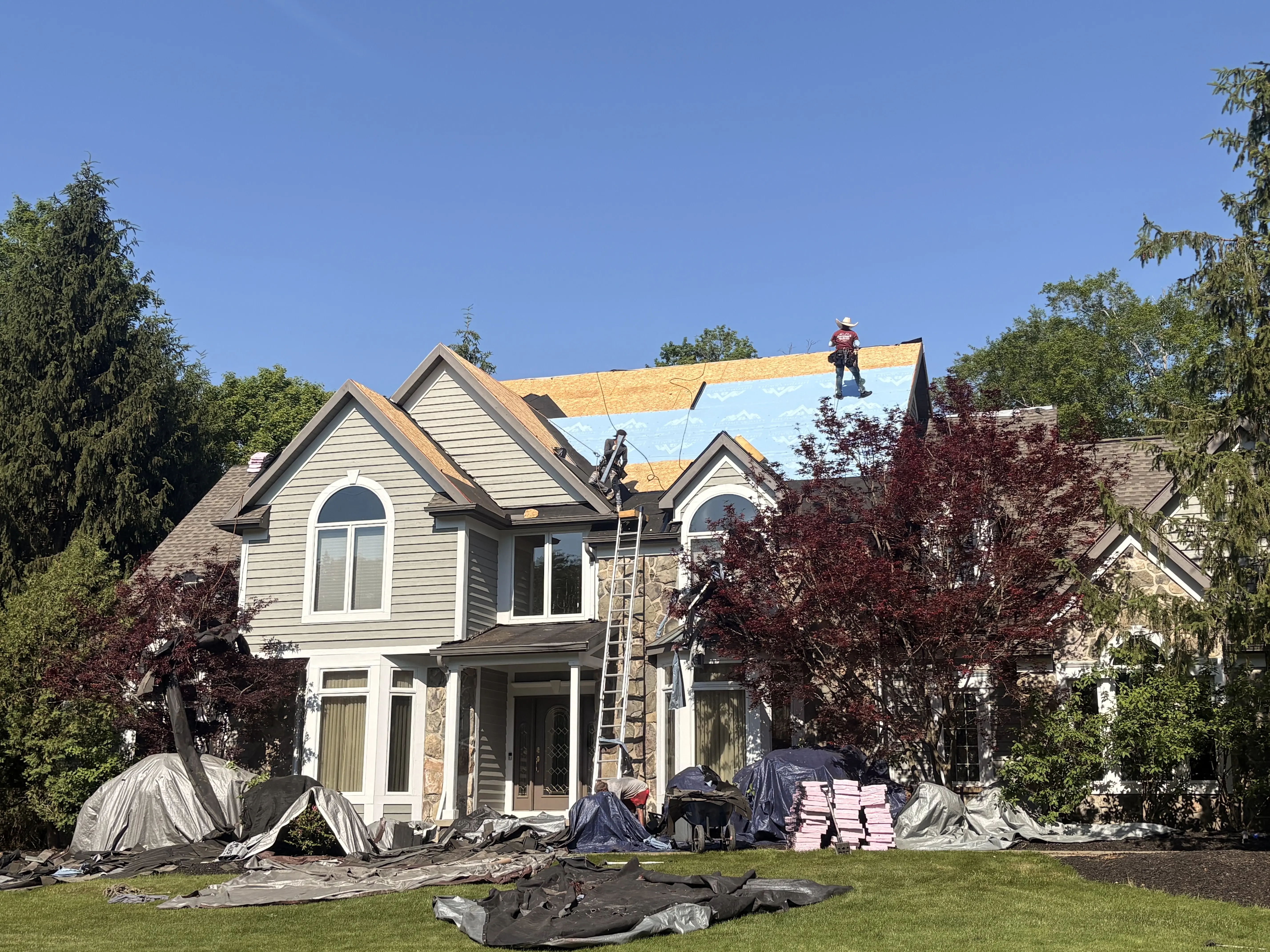
Professional residential roof replacement by experienced Florida contractors ensures code compliance and proper ventilation, improving energy efficiency. Local expertise makes the difference between meeting minimum standards and installing a roof system engineered for maximum protection.
Protecting your Florida home starts with choosing roofing materials designed to withstand the state's most demanding weather conditions. From hurricane-force winds to relentless UV exposure, the right roof delivers long-term protection, boosts property value and gives you peace of mind.
At Lifetime Quality Roofing and Exterior Services, we understand unique regional conditions and how they impact roofing. Our team has the expertise to guide you toward materials that match your home's needs, budget and local climate challenges. We've built our reputation on professional, high-end service that treats every project with the attention it deserves.
Ready to protect your investment? Schedule a free roof inspection with our experts today. We'll assess your system's condition and recommend the most durable roofing for Florida storms and intense heat.