

Storm Damage Roof Repair Experts

GettyImages-155072992-1

Why Act Quickly After Roof Storm Damage?

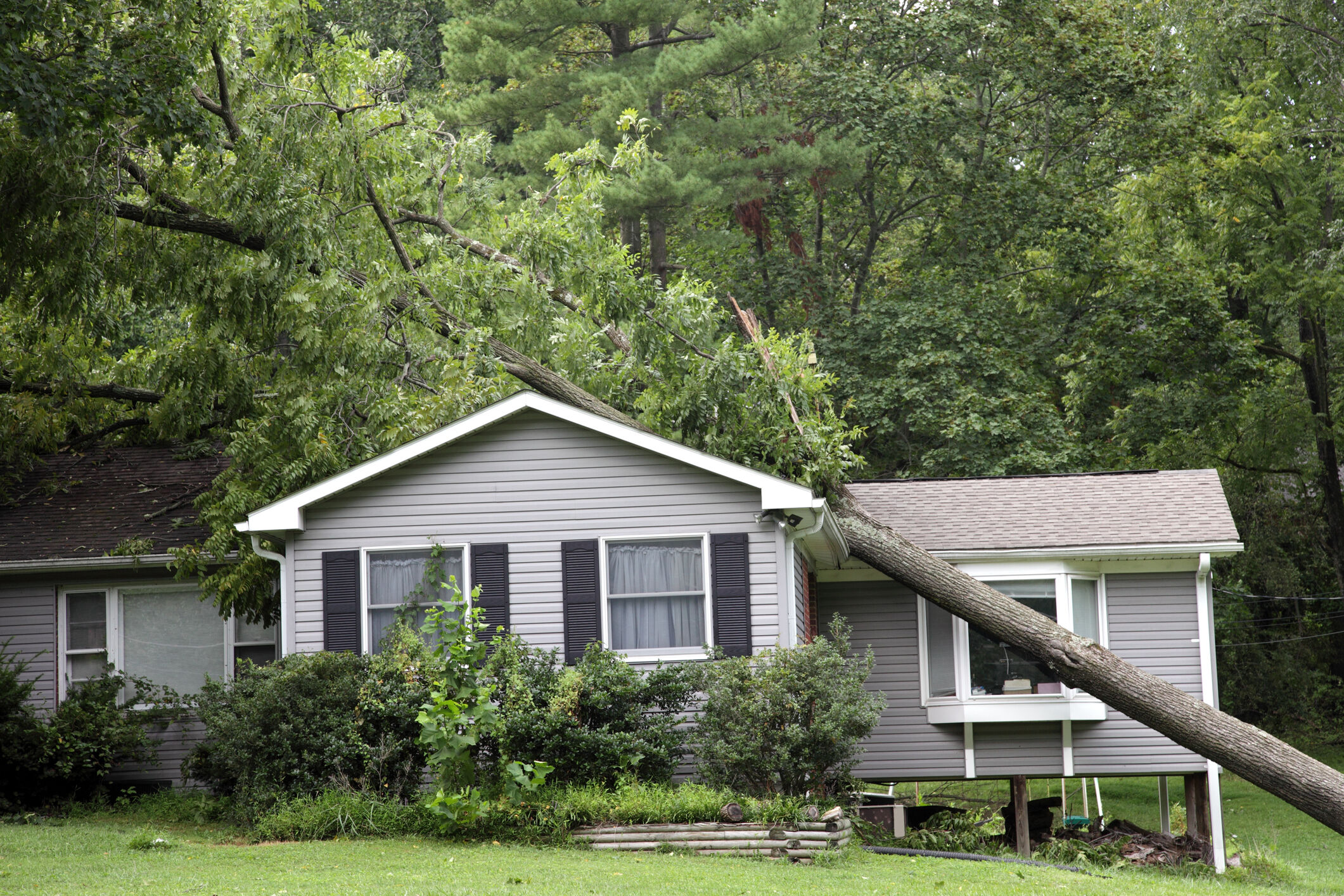
After a major storm, your roof may look fine from the ground. However, hail, wind, and ice leave damage that worsens fast. Water infiltration, structural weakening, and mold growth can develop within days of an undetected roof breach.

Homeowners insurance policies typically require damage to be reported within a defined window after the storm event. Missing that deadline can result in a denied claim even for substantial damage. Proactive homeowners schedule a professional roof inspection immediately to ensure they won’t incur more damage and can file a claim.

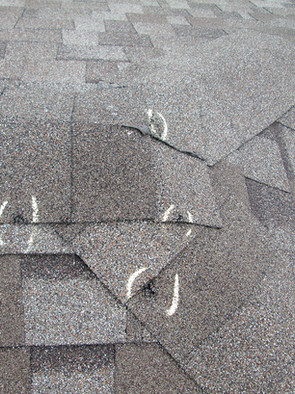
Lifetime Quality’s certified inspectors arrive with photo documentation equipment and damage assessment tools to find what untrained eyes miss. We look for granule loss, cracked underlayment, lifted flashing, and micro-fractures in shingles caused by storm impact.

Book Free Inspection

Our Storm Damage Services

house-bg

Scheduling a roof inspection immediately after a major storm is critical for two reasons: finding hidden damage and protecting your insurance claim.

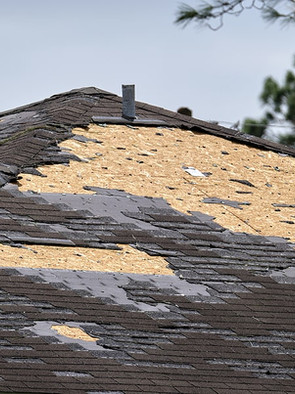
Many types of storm damage, including hail, wind lifted flashing, and cracked underlayment, aren’t visible from the ground but will worsen quickly. Water that seeps through a compromised roof can cause interior damage, rot the roof deck, and lead to mold growth within days.

Most homeowners policies require storm damage to be reported within a specific timeframe after the event. Waiting too long can result in a denied claim, even if the damage is legitimate. A professional inspection creates the timestamped documentation your insurer needs to process your claim accurately.

In most cases, homeowners insurance covers roof repair or full replacement when damage is caused by a sudden, accidental event like a hailstorm, windstorm, or ice damage. These are typically classified as “acts of God” and covered under standard policies.

If the damage is widespread or the roof is deemed a total loss, a full replacement is typically covered. Your policy type also matters. Policies that pay Actual Cash Value (ACV) factor in depreciation, meaning older roofs receive less, while policies that pay Replacement Cost Value (RCV) cover the full cost of replacement with comparable materials. You are responsible for your deductible amount, but in most storm damage claims we handle, the deductible is the only out-of-pocket cost to the homeowner. It’s also worth noting that insurance covers sudden storm events but generally does not cover damage from neglect or normal wear and tear.

Lifetime Quality helps homeowners understand their policy coverage before filing and works directly with your insurance adjuster to ensure all damage is accurately documented and represented in your claim.

Making an insurance claim can be a confusing and time consuming process, and many home owners don’t know where to begin. Luckily when you work with Lifetime Quality’s team of experts we will be with you every step of the claim process. Ensuring a stress-free and efficient process.

After your inspection is completed you can expect to receive a detailed inspection report. This will include any photographic and video evidence along with a repair/maintenance estimate

We document damage for insurance companies using a comprehensive, tech-driven approach to ensure claims are fully covered. Alongside a physical inspection we leverage drone footage and high quality cameras to capture storm damage. Then we create detailed reports to prove the need for repairs or full roof replacement.

Yes, even if we don’t find any damage during our inspection we are more than happy to help homeowners learn how to extend their roofs lifespan.

Explore Our Locations

View All Locations