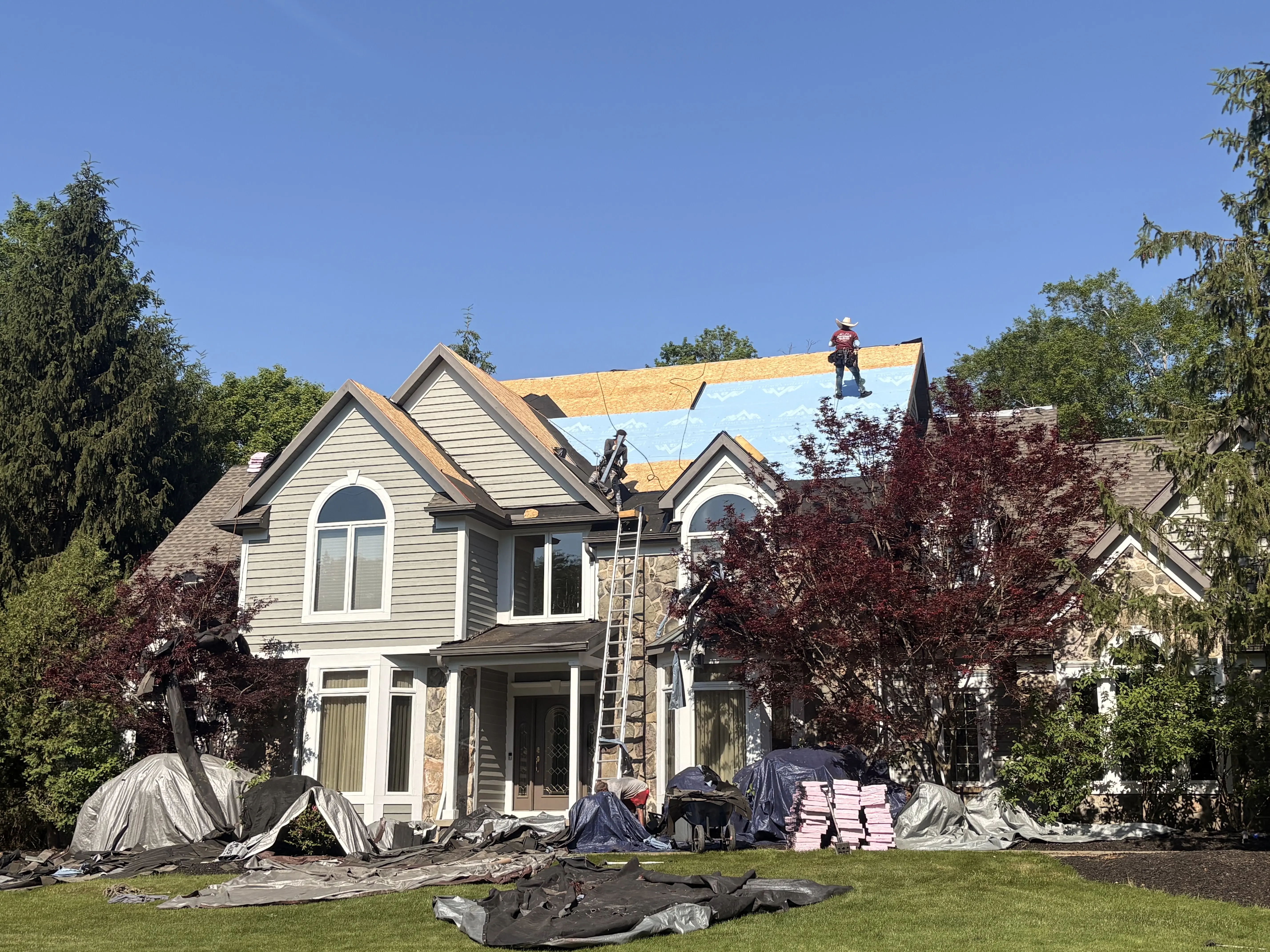

Roof Maintenance Checklist for Homes in Tampa, FL
Your roof is fundamental in protecting you from Tampa’s intense storms, hot summer days, and high humidity. Tampa’s changing weather …
February 6, 2026
7 MIN READ

Spring showers often bring more than just flowers. They reveal roof issues that the winter hid during the year’s colder months.
If you've noticed water stains on your ceiling, drips in your attic, or mysterious wet spots after a rainstorm, you're not alone. Spring is when most homeowners discover their roof is leaking, often at the worst possible time.
The good news? Most spring roof leaks share common causes, and understanding them can help you take action before a small drip becomes a major disaster.
After a long winter of ice, snow, and temperature swings, your roof has been through a lot. This year was especially brutal across much of the country. From record snowfall in the Midwest to damaging ice storms in the South, this winter tested roofs.
The freeze-thaw cycle is hard enough on roofing materials, but add in the weight of heavy snow, ice accumulation, and relentless wind, and you will find roof stress.
Many winter effects aren't visible from the ground, but they've weakened your roof's defenses. Now that spring rain is quickly approaching, those hidden vulnerabilities are starting to show.
Here are the most common culprits behind spring roof leaks and what you can do about them.
Winter wind can be brutal on roofing materials. This season's storms were no exception. High winds may have lifted, cracked, or completely removed shingles without you even noticing from the ground. The repeated freeze-thaw cycles further weakens already aging or damaged shingles. Once a shingle is compromised, water has a direct path to the underlayment and eventually, into your home.
Flashing is the thin metal installed around chimneys, skylights, vent pipes, and roof valleys to prevent water intrusion. Because metal and asphalt expand and contract at different rates during temperature changes, winter often causes flashing to pull away, crack, or corrode causing things like chimney leaks.
This winter's extreme temperature swings put extra stress on these critical seals. Most spring leaks don't come from the shingles themselves. They come from failed flashing.
When gutters are full of debris, spring rain has nowhere to go. Winter storms likely added branches, ice buildup, and additional organic material to your gutters. Instead of flowing away from your home, water backs up, seeping into the fascia, soffit, and roof deck.
Even a partial clog can cause enough backup to create a leak during heavy rainfall. That's why it's important to clean the leaves out of your gutters.
If you experienced significant snowfall this winter, ice dams may have formed along your roof's edge. These occur when heat from your attic melts snow on the roof, which then refreezes at the eaves. The ice creates a barrier that traps water under your shingles.
Given how harsh this winter was in many areas, ice dams were especially prevalent and destructive. Even after the ice melts, the damage remains. Things like lifted shingles, compromised underlayment, and water-soaked roof deck are vulnerable.
What to look for: Water stains along exterior walls or ceilings near the roofline, especially in upper-floor rooms.
Roof valleys channel a large volume of water during rainstorms. If your valley flashing is damaged or the shingles in that area have deteriorated, water can pool and work its way underneath.
Valleys are high-stress areas, and this winter's heavy precipitation accelerated wear and tear. The weight of accumulated snow and ice in valleys, combined with freeze-thaw cycles, often creates cracks that become major leak points come spring.
What to look for: Visible cracks, missing shingles, or rust along the valley line.
Poor attic ventilation combined with extreme temperature swings can cause moisture to accumulate on the underside of your roof deck, which then drips down and mimics a leak.
While not technically a "roof leak," condensation still needs to be addressed to prevent mold and wood rot.
What to look for: Moisture on rafters or insulation without a clear entry point from outside, musty odors, or frost buildup in winter.
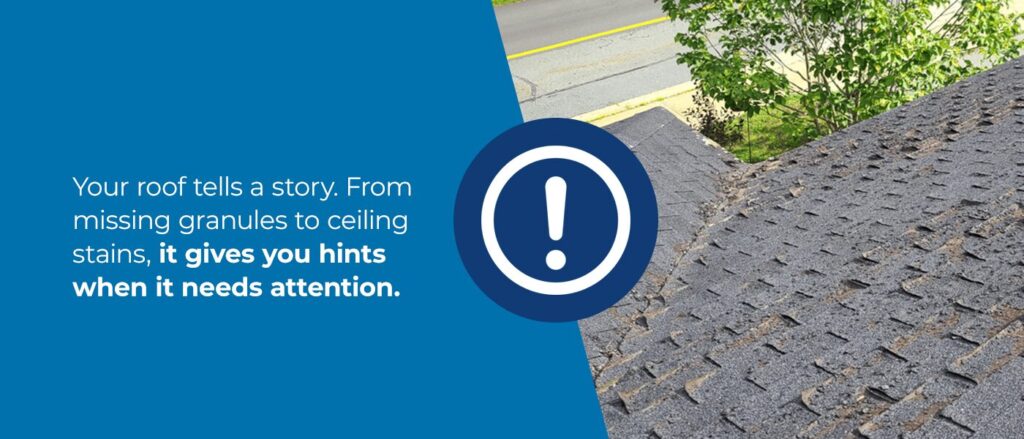
Asphalt shingles have a lifespan of 20–30 years, depending on quality and climate. If your roof is approaching that age, the shingles may have lost their granules, become brittle, or developed micro-cracks that allow water penetration.
Roofs can age dramatically after a punishing winter like this one. The constant expansion and contraction, plus the physical stress from snow and ice, can push aging shingles past their breaking point.
What to look for: Granules in gutters (they look like coarse sand), bald spots on shingles, or widespread curling across the roof.
If you've identified a potential cause, or you're seeing signs of water intrusion inside your home, don't wait to schedule an inspection. After the winter we just had, spring leaks are appearing in roofs all across the region, and they rarely fix themselves. Delaying repairs can lead to:
A trained roofer can pinpoint the exact source of the leak, assess the extent of the damage, and recommend the most cost-effective solution.
Addressing roof leaks in the spring offers several advantages:
Spotted signs of a leak? Don't let a small problem turn into a costly disaster. Lifetime Quality specializes in diagnosing and repairing spring roof leaks for homeowners throughout Ohio, Pennsylvania, Tennessee, North Carolina, and Florida.