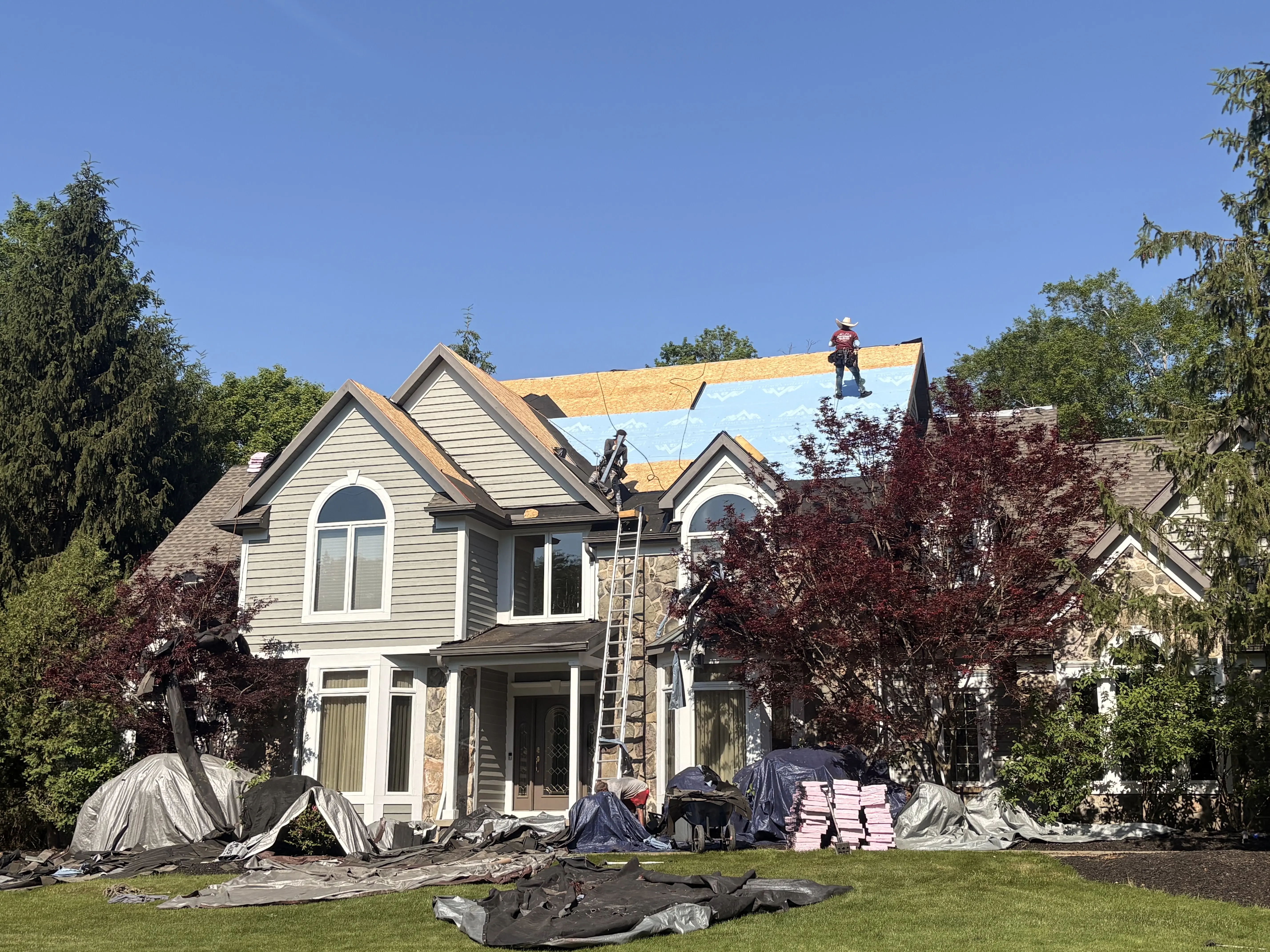

Roof Maintenance Checklist for Homes in Tampa, FL
Your roof is fundamental in protecting you from Tampa’s intense storms, hot summer days, and high humidity. Tampa’s changing weather …
February 6, 2026
7 MIN READ
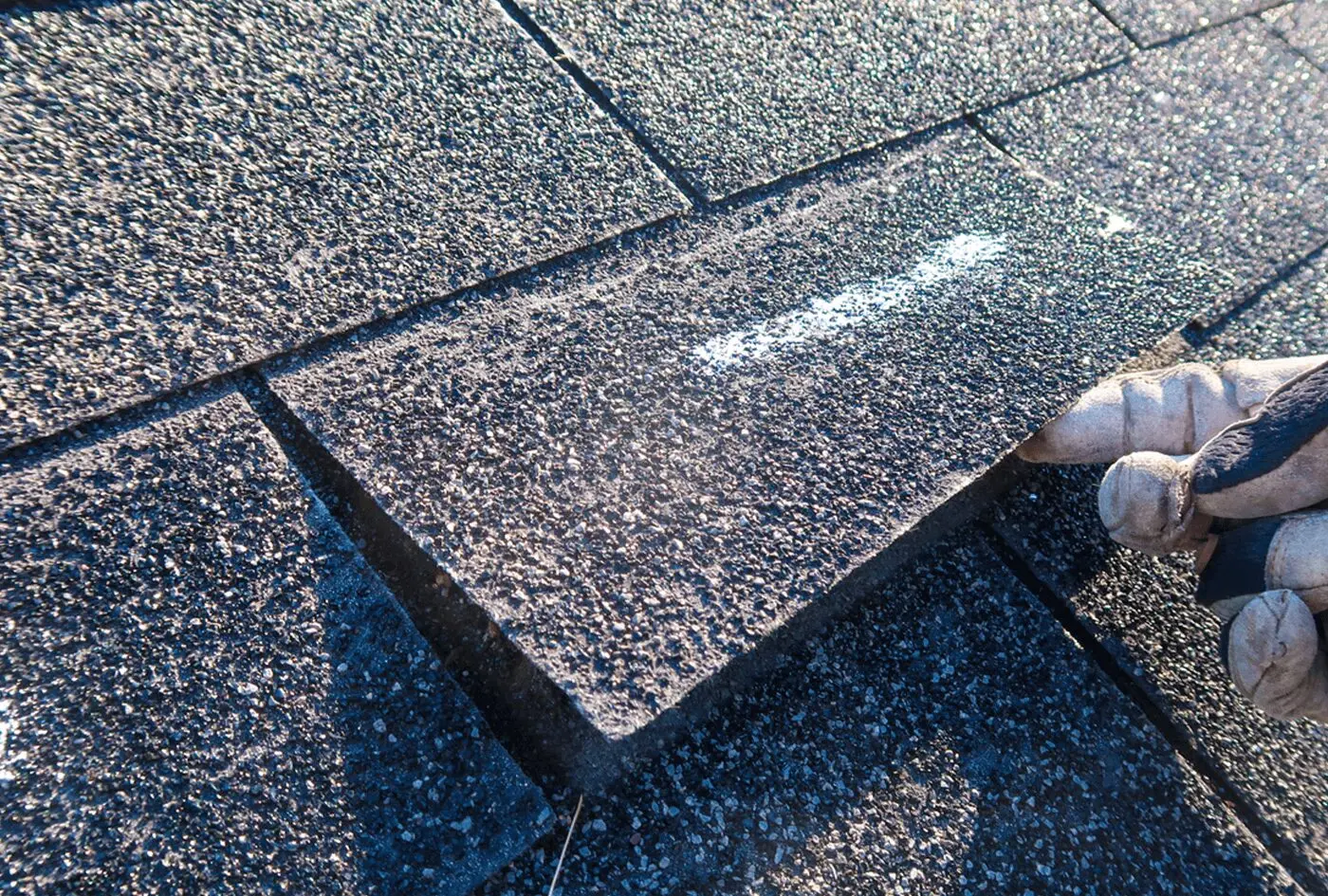
When a storm tears through your neighborhood, the damage to your roof can feel overwhelming. Between securing your family's safety and assessing the destruction, the last thing you want to worry about is complicated insurance paperwork. The reality is that Florida homeowners face some of the strictest claim-filing deadlines in the country, and missing them can cost you everything your policy should cover.
Recent legislative changes have further tightened these windows. Understanding how long you have to file a roof claim is essential to protecting the financial security that your insurance premiums are supposed to provide.
Time limits for filing roof insurance claims in Florida aren't suggestions from well-meaning insurance agents. They're hard legal boundaries established by Florida statutes and reinforced by your homeowners insurance policy. Fail to meet these deadlines, and your coverage vanishes regardless of damage severity.
The claim filing period represents the window you have to notify your insurance company that damage occurred. Once you've filed, Florida law protects you with insurer response deadlines. According to Florida Statute 627.70131, your insurer must acknowledge your claim within seven days and accept or deny it within 60 days of receiving all required documentation.
In addition to claim time limits, Florida's statute of limitations provides a legal window to file a lawsuit if your insurer denies your claim or disputes the settlement. Understanding this distinction helps you recognize when to escalate from negotiation to legal action.
Insurance claim time frames have undergone significant legislative changes in recent years, shortening the windows homeowners have to protect their coverage. Staying current with these shifts can mean the difference between full coverage and added financial stress.
Key time frames under the current Florida insurance claim deadlines include:
Florida homeowners insurance claim periods can vary depending on the type of roof damage. Named catastrophic events, like Hurricane Ian, may trigger different provisions than isolated weather incidents.
It's also important to note that flood insurance operates under separate rules through the National Flood Insurance Program (NFIP), requiring filing within 60 days of the loss date and allowing only one year to file a lawsuit.

One of the most critical concepts in Florida roof damage claim rules is understanding the difference between your date of loss and date of discovery. These dates can be separated by weeks or months, but the law ties your filing deadline strictly to the date of loss.
The date of loss is the exact day the damaging event occurred. If a windstorm tears through on July 10, that's your date of loss regardless of when you notice damage. The date of discovery is when you actually become aware of the problem. You might not discover a slow attic leak from wind damage until weeks later, when you notice ceiling water stains.
You can't wait until you discover damage to start your filing clock. The moment that storm passes, your one-year window begins ticking. That's why immediate post-storm inspections are essential, even if everything looks fine from ground level.
When the governor issues an official Florida emergency declaration for a named hurricane, it triggers state provisions designed to protect overwhelmed homeowners. These disaster relief measures acknowledge that thousands of simultaneous claims can strain both insurance companies and property owners.
After major hurricanes, the state occasionally grants extended deadlines for filing Florida storm damage claims, recognizing that adjusters may take months to reach every damaged property. However, these extensions are neither automatic nor guaranteed and require specific legislative action for each event.
Even if you suspect your hurricane claim might qualify for additional time, aim to file within the standard one-year window to protect your coverage regardless of whether relief is granted.
Missing your claim filing deadline often results in automatic claim denial, and you lose your insurance coverage. This policy breach shifts the entire financial burden onto your shoulders. You become responsible for every dollar spent on roof repairs or replacement, even though you've faithfully paid premiums to protect against this scenario.
If your claim is denied, you can file an internal appeal with the insurance company or a complaint with the Florida Department of Financial Services. However, this legal recourse may be less likely to succeed if you miss the mandated claim timeline. Acting promptly after roof damage occurs is the best way to protect your home and finances.
Here are the steps to follow immediately after your roof sustains damage:
Your insurance policy contains specific coverage terms and deadlines that may differ from general Florida statutes. Proactive homeowners conduct a thorough policy review before damage occurs, identifying exactly what's covered, what documentation is required and what deadlines apply.
When Florida insurance regulations become too complex, seek professional guidance. Insurance agents can explain your policy's fine print, while attorneys specializing in property insurance can advise on disputes. Roofing contractors with claims experience understand what adjusters require and can help you build a complete claim.
As a homeowner, understanding time limits for filing roof insurance claims is only the beginning. You also need to complete professional documentation of your roof's condition after an extreme weather event. Lifetime Quality Roofing and Exterior Services specializes in thorough roof assessments that create the detailed records you need to file your claim with confidence. Our supplemental claims team can also help you navigate the process and negotiate directly with adjusters.
Schedule a free roof inspection today and take the first critical step toward protecting your coverage.