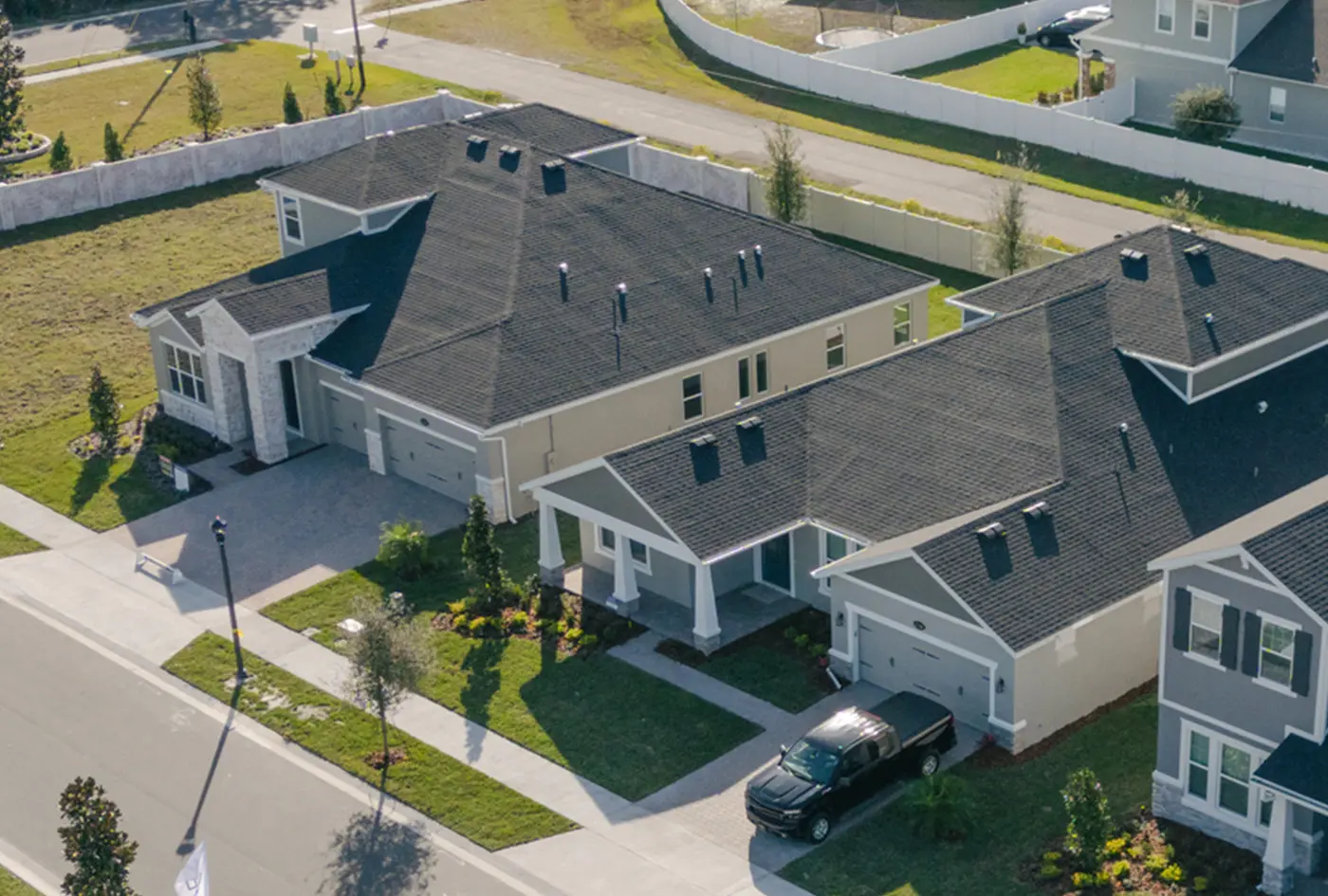
Roof Maintenance Checklist for Homes in Tampa, FL
Your roof is fundamental in protecting you from Tampa’s intense storms, hot summer days, and high humidity. Tampa’s changing weather …
February 6, 2026
7 MIN READ

Discovering roof damage is stressful enough without the added pressure of navigating a complex insurance claim. The good news is that successfully maximizing your roof insurance settlement is absolutely achievable when you approach the claims process with preparation and strategy. Getting a full roof replacement covered requires understanding your policy, thoroughly documenting damage and negotiating effectively. With the right knowledge and expert guidance, you can secure the payout you deserve.
Your insurance policy is a contract between you and your insurer. Understanding its terms is the first step toward a successful homeowner claim. Before damage even occurs, take time to review your coverage type, deductible, policy limits and any endorsements or exclusions that may apply.
Key terms to understand include the following:
Reading the fine print now will help you avoid surprises later when you need to file a claim for roof damage.
The difference between ACV and RCV coverage can significantly impact your insurance payout. ACV pays for the depreciated value of your roof at the time of loss, similar to selling a used car for less than you originally paid. RCV covers the cost of a new roof.
With RCV policies, insurers will typically issue an initial payment for the ACV amount, then release the remaining depreciation after you complete the work and submit proof of payment. This approach ensures policyholders receive enough funds for a full roof replacement rather than settling for a partial repair that leaves their home vulnerable.
Documentation is the single most critical element of a successful roof claim. Your evidence will prove the extent of the loss to your insurer and support your request for fair compensation. Without comprehensive records, even legitimate claims can be undervalued or denied.
Start by taking detailed photos and videos of all damage. A professional roof inspection report from a trusted contractor will add credibility and strengthen your position when negotiating your insurance claim.
Proactive documentation makes it nearly impossible for insurers to argue that damage existed before the covered event. Take baseline photos of your roof and home exterior annually or after any maintenance work. These images will establish your roof's condition before the storm.
A detailed home inventory can also support your claim, especially if interior damage occurs. This preventive measure serves as proof of proper maintenance and provides a strong foundation for future insurance claims.
After a storm, photograph everything affected. Capture close-ups of damaged shingles, broken gutters, cracked siding and any damage to windows or surrounding property. Document interior damage, such as ceiling water stains and damaged insulation.
Don't forget to save weather reports from the storm date. This will correlate your roof damage with a specific covered event, making it harder for insurers to dispute the timing or cause of the loss.
An independent estimate from a licensed roofing contractor will provide a crucial benchmark to compare with your adjuster's report. A professional opinion carries weight, especially when your contractor specializes in storm damage restoration and insurance work.
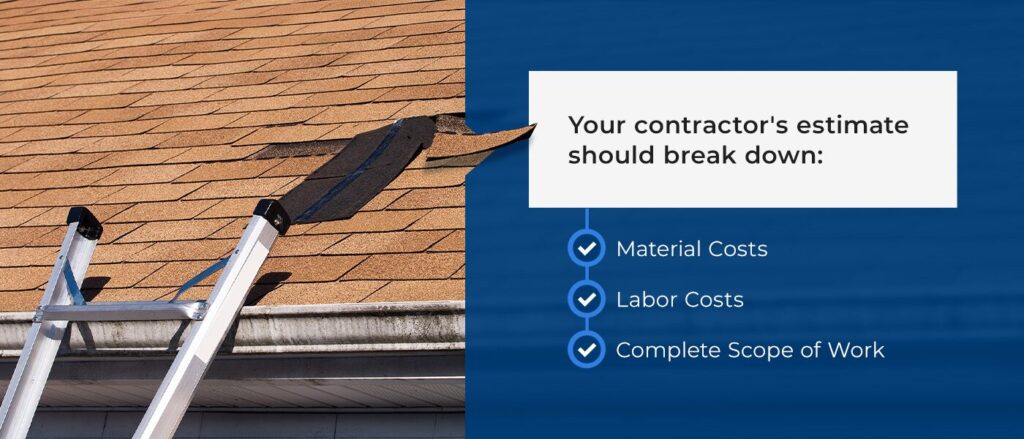
Your contractor's estimate should break down material costs, labor costs and the complete scope of work needed. This level of detail helps identify gaps or inaccuracies in the assessment by the insurance adjuster. If the adjuster's report undervalues the damage or misses critical repairs, your contractor's detailed estimate will provide the documentation needed to request a supplemental claim.
While gathering multiple bids can be helpful, prioritize finding a contractor experienced in insurance claims who can provide thorough assessments and professional support throughout the process. Whether you need a complete replacement or targeted roof repair, expert guidance will ensure nothing is overlooked.
Maintaining clear, factual communication with your insurance company is essential to getting fair compensation. Keep all discussions professional and document everything in writing. After phone conversations, send a follow-up email summarizing what was discussed and agreed upon.
When you receive the adjuster's report, review it carefully for discrepancies in measurements, materials specified or the scope of work. Don't hesitate to ask for clarification on any items that seem unclear or incomplete. A professional, persistent approach is more effective than an emotional one. To maximize your roof insurance settlement, you have the right to question the adjuster's findings and provide additional evidence to support your claim.
If your insurer's offer seems too low, don't accept it immediately. Compare it against your contractor's detailed estimate and identify specific areas where the insurance assessment falls short. Provide additional evidence to justify the higher costs your contractor has documented.
A supplemental claim is a formal request for additional funds, often filed when hidden damage is discovered during repairs or when the initial settlement undervalued the work needed. Reference specific policy terms that support your request for an increased insurance settlement. This process is standard in the industry and shows you're informed about your rights as a policyholder.
For complex or contentious claims, professional representation can level the playing field. A public adjuster is a licensed professional who will work exclusively for you, not the insurance company. They can negotiate on your behalf and typically take a percentage of your settlement, making them motivated to maximize your payout. They can also provide some helpful roof claim payout tips.
An attorney may be necessary if your claim is denied in bad faith or if significant legal disputes arise. Legal representation is particularly valuable when dealing with claim denials or when the insurer refuses to honor clear policy terms. These professionals offer specialized expertise that can lead to substantially higher settlements, especially in complex claims involving extensive damage, making them a crucial part of your homeowners insurance claim strategy.
Maximizing your roof insurance settlement starts with informed preparation, diligent documentation and expert guidance. When you understand your policy, document damage thoroughly and communicate effectively with your insurer, you can position yourself for roof claim success and complete financial recovery.
Ready to get an expert opinion on your roof damage? Lifetime Quality Roofing and Exterior Services specializes in helping homeowners navigate the insurance claims process with confidence. Our team understands the complexities of insurance policies and can provide the detailed assessments and professional support you need to maximize your settlement. Book your free inspection today.