Roof Maintenance Checklist for Homes in Tampa, FL
Your roof is fundamental in protecting you from Tampa’s intense storms, hot summer days, and high humidity. Tampa’s changing weather …
February 6, 2026
7 MIN READ
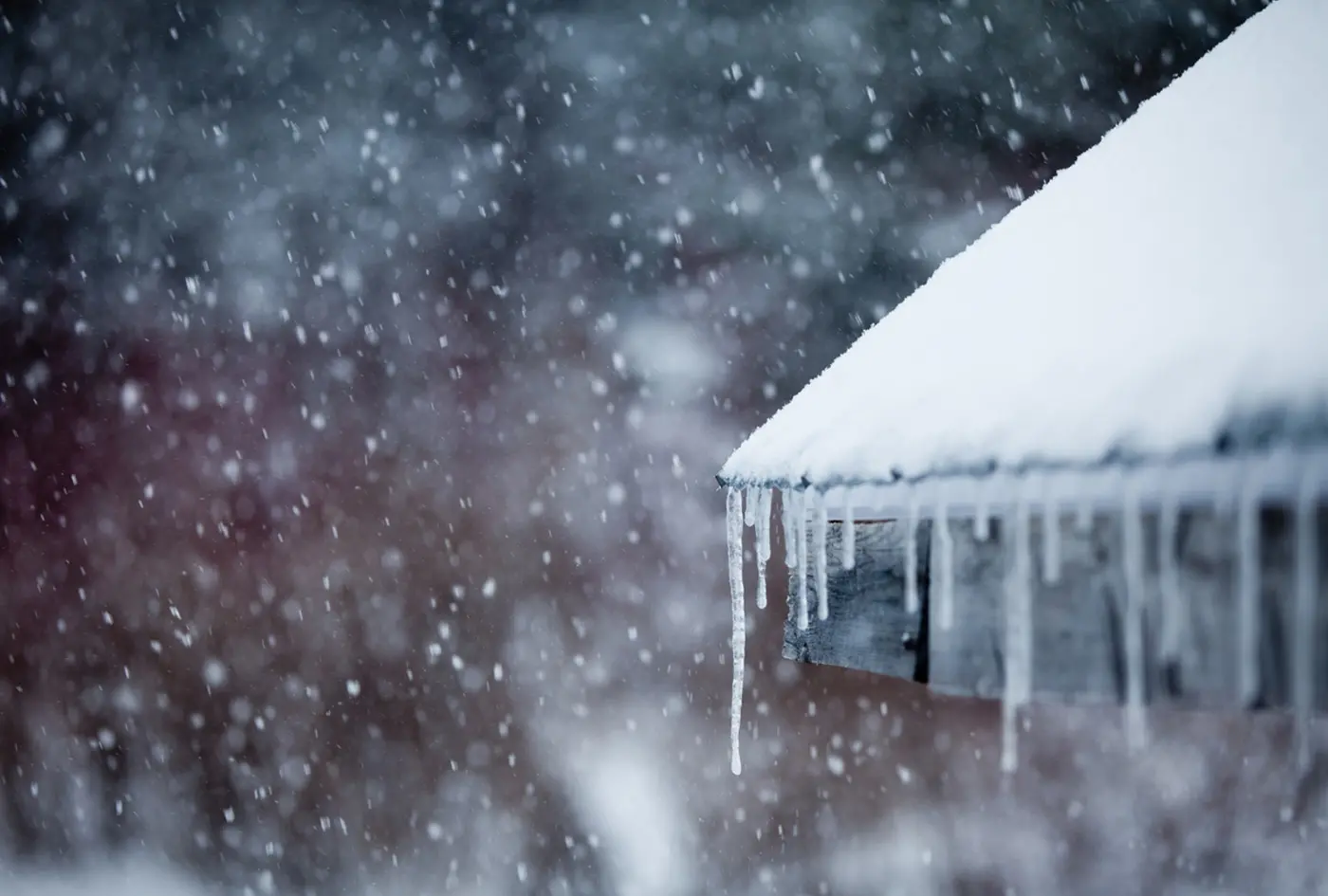
The local climate in the Buckeye State keeps homeowners on their toes. Summer can bring sweltering heat that tests your roof's ability to reflect UV rays and maintain energy efficiency. Winter often delivers bone-chilling temperatures that create ice dams and frozen moisture that can crack even the sturdiest materials. Spring and fall usher in severe thunderstorms with the potential for hail damage and high winds that can lift shingles like playing cards.
Materials engineered for Ohio's weather deliver optimal performance through regional considerations that address durability specific to homeowner needs. Understanding how architectural asphalt shingles, metal roofing, slate, and clay tiles respond to the state's distinct seasons empowers you to make confident choices that safeguard your home.
Four distinct seasonal changes define Ohio's weather conditions, each testing roofing materials in different ways. From summer humidity levels to winter freezing temperatures, these patterns guide material selection. Different climate zones across the state experience varying intensities and temperature extremes, making regional variations important when choosing your roof.
The climate in Ohio subjects roofs to dramatic temperature fluctuations between winter nights with freezing temperatures and humid summer days with sweltering heat, forcing materials to expand and contract.
Regional climate data shows these extremes create significant roofing challenges. Ohio is no stranger to heavy rains and measurable snowfalls, too. Residents need to be ready for hail and fast-moving winds. When the weather gets cold, ice dams can form when melting snow or rain freezes at the roof edges, trapping water that forces its way under shingles.
Seasonal storms create year-round weather challenges for unprepared roofing systems.
Ohio's geography shapes local weather zones, as its Midwest location brings together cold Canadian air and warm Gulf moisture. This explains dramatic weather swings and why microclimate considerations and knowledge of regional variations matter for material selection.
Lake Erie provides a significant coastal influence on northern counties, moderating temperatures while increasing lake-effect snowfall. Elevation factors remain modest statewide, with mostly flat terrain offering little protection. Unlike regions with mountainous terrain that block storms, the state's open landscape means roofing materials are exposed to severe weather.
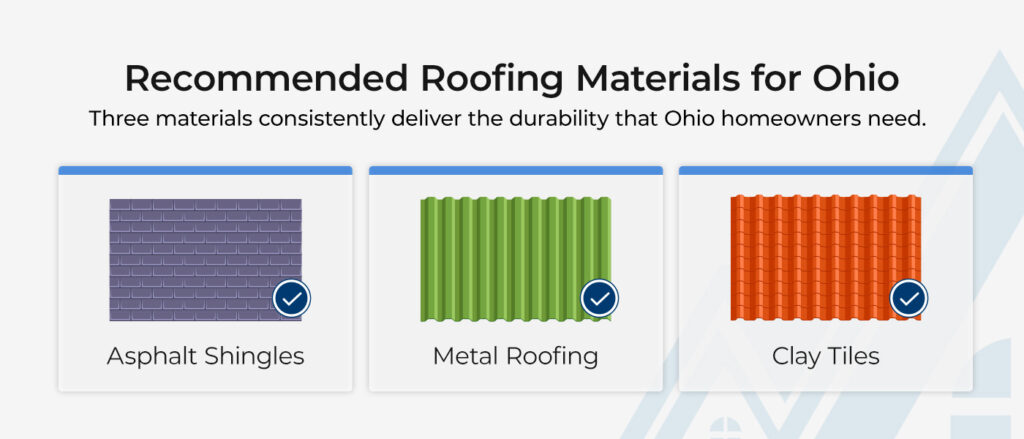
Three materials consistently deliver the durability that Ohio homeowners need. Each offers advantages in weather resistance, cost-effectiveness, and regional suitability. Understanding performance factors specific to Ohio helps align selection with budget and protection needs.
Asphalt shingles in Ohio represent the gold standard for all-around performance. These laminated shingles outperform three-tab versions through thicker construction and superior adhesion, delivering excellent wind resistance.
Asphalt roofing performance shines with its impact ratings. Many achieve Class 4 certification under Underwriters Laboratories (UL) Standard UL 2218, making them impact-resistant during Ohio's storms. The aesthetic appeal rivals that of expensive materials, with eye-catching dimensions that enhance curb appeal. This cost-effective roofing price point makes architectural shingles accessible while delivering decades of reliable service.
Metal roofs in Ohio excel at withstanding extreme weather. Both standing seam performance and corrugated metal built for Ohio weather deliver exceptional wind resistance. Its smooth surfaces shed snow effortlessly, preventing buildup.
Metals' energy-efficient benefits emerge from installed reflective properties. Cool roof coatings reduce cooling costs by reflecting solar heat, keeping attics cooler during humid summers. Hail resistance withstands impacts that damage other materials, though large hail may cause cosmetic denting.
Clay tiles offer superior resilience against Ohio's demanding climate. Their thermal stability resists damage from extreme temperature fluctuations, preventing expansion and contraction issues. Robust design and water-shedding properties effectively handle heavy rainfall and snowfall.
They provide excellent protection against severe storms, including hail and damaging fast-moving winds, due to their inherent durability and impact resistance. Additionally, clay tiles help mitigate ice dam formation and resist summer humidity, ensuring long-term performance against Ohio's year-round weather challenges.
Your roofing materials' weather performance depends on specific ratings that determine how they withstand threats. Understanding impact resistance, conditions for wind uplift, moisture control, UV degradation, thermal shock and energy efficiency ratings enables informed comparisons. These metrics tie to local building codes, ensuring minimum safety standards.
Hail ratings in Ohio matter significantly when severe thunderstorms regularly produce damaging hailstones. Impact-resistant shingles undergo rigorous testing under UL 2218, which assigns Class 1-4 ratings. The Class 4 rating represents the highest tier, withstanding 2-inch impacts without cracking.
Your home's storm damage protection improves significantly with proper ratings and durable materials. Insurance providers recognize these severe weather considerations in Ohio, often offering premium discounts for Class 4-rated materials.
Wind uplift in Ohio threatens roofs statewide, particularly in high-wind areas and storm-prone regions. Understanding wind rating specifications helps select materials matched to threat levels, ensuring proper installation for Ohio conditions.
Local wind patterns vary across the state. Working with contractors familiar with wind damage patterns ensures installations account for regional challenges.
For roofing projects in Ohio, strict adherence to state regulatory guidelines for installation and adequate roof ventilation is essential.
The Ohio Residential Code (IRC) mandates specific requirements for critical components. This includes a minimum of 2 feet of waterproof membrane, known as an ice and water shield, extending beyond exterior walls along eaves, and required coverage in valleys and around chimneys. These measures are crucial for preventing moisture intrusion, particularly during Ohio’s freeze-thaw cycles. Additionally, proper flashing and a minimum 2-inch drip edge on all overhangs are stipulated to prevent moisture from compromising the roof system.
Regarding ventilation, Ohio regulations require 1 square foot of net free ventilation area for every 150 square feet of attic space. This must be achieved through balanced intake, typically with soffit vents, and exhaust, often through ridge vents. Proper ventilation is essential for preventing winter ice dams and reducing heat buildup during summer, directly supporting the state's energy-efficiency objectives.
To ensure full compliance with these stringent Ohio regulatory guidelines, partnering with an experienced local contractor is highly recommended. These roofing professionals possess the necessary expertise regarding regional requirements and can provide invaluable guidance for proper winter preparation and year-round roof integrity.
The right roofing choice for Ohio balances regional weather considerations with needs and budget, enabling informed decisions delivering long-term protection. Lifetime Quality Roofing and Exterior Services brings deep local expertise to every project, providing homeowners peace of mind. As an Owens Corning Platinum Preferred Contractor and GAF-certified installer, we combine premium materials with meticulous craftsmanship throughout your roof replacement journey.
Book a free inspection today and discover which roofing solution delivers lasting protection for your home.