Everything You Need to Know About Cleaning Roof Shingles
Discover the best methods to clean your roof with shingles and improve its longevity. Learn how to clean your roof …
June 27, 2022
7 MIN READ
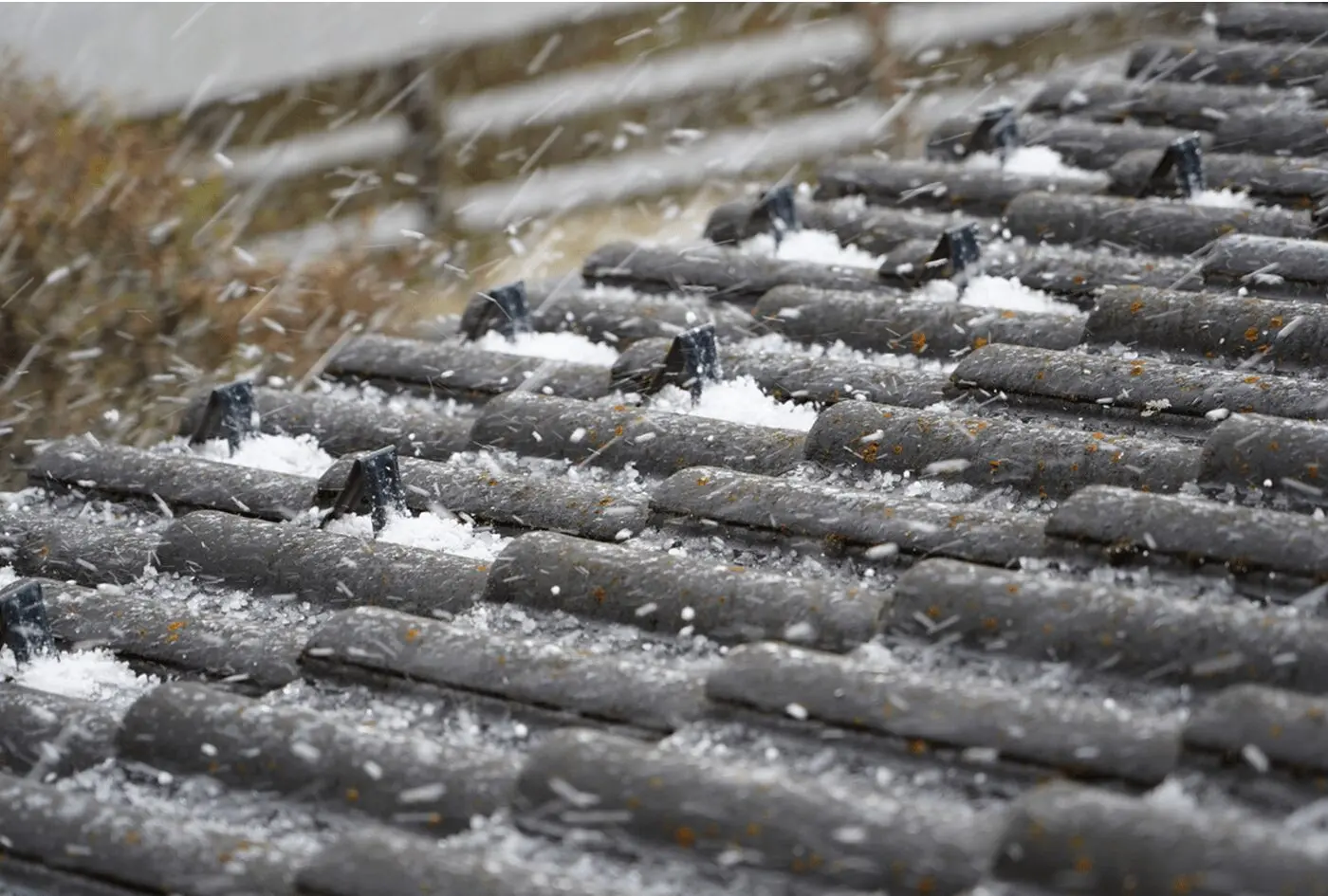
After a storm, you step outside to assess the damage. Debris litters your yard, but your roof looks intact. Or does it? An essential decision looms before you. Do you call your insurance company first, or bring in a roofer to inspect? The wrong move could cost you money through an unnecessary claim or worsening damage. We share homeowners' tips for addressing storm damage to roofs.
If you face potential storm damage, contacting a professional roofer before notifying your insurance company is often the strategic choice. Understanding your situation before initiating the formal claims process empowers you to make informed decisions.
A roofer's professional opinion becomes your foundation for every decision that follows. They identify damage invisible from the ground, distinguish storm damage from normal wear and provide documentation your insurance adjuster will respect. Most importantly, they can perform immediate emergency roof repair to prevent further water intrusion while you determine whether filing a claim makes financial sense.
Storm damage creates urgent safety hazards that shouldn't wait for insurance approval. Missing shingles expose your roof deck to water infiltration, compromised flashing allows leaks, and structural damage worsens with each rain. A professional roofer can perform emergency services like temporary tarping to stop active leaks and secure vulnerable areas.
These protective measures prevent thousands of dollars in water damage while preserving your claim eligibility. Mitigation isn't optional — your policy mandates it, making these immediate preventive repairs both strategically wise and contractually required.
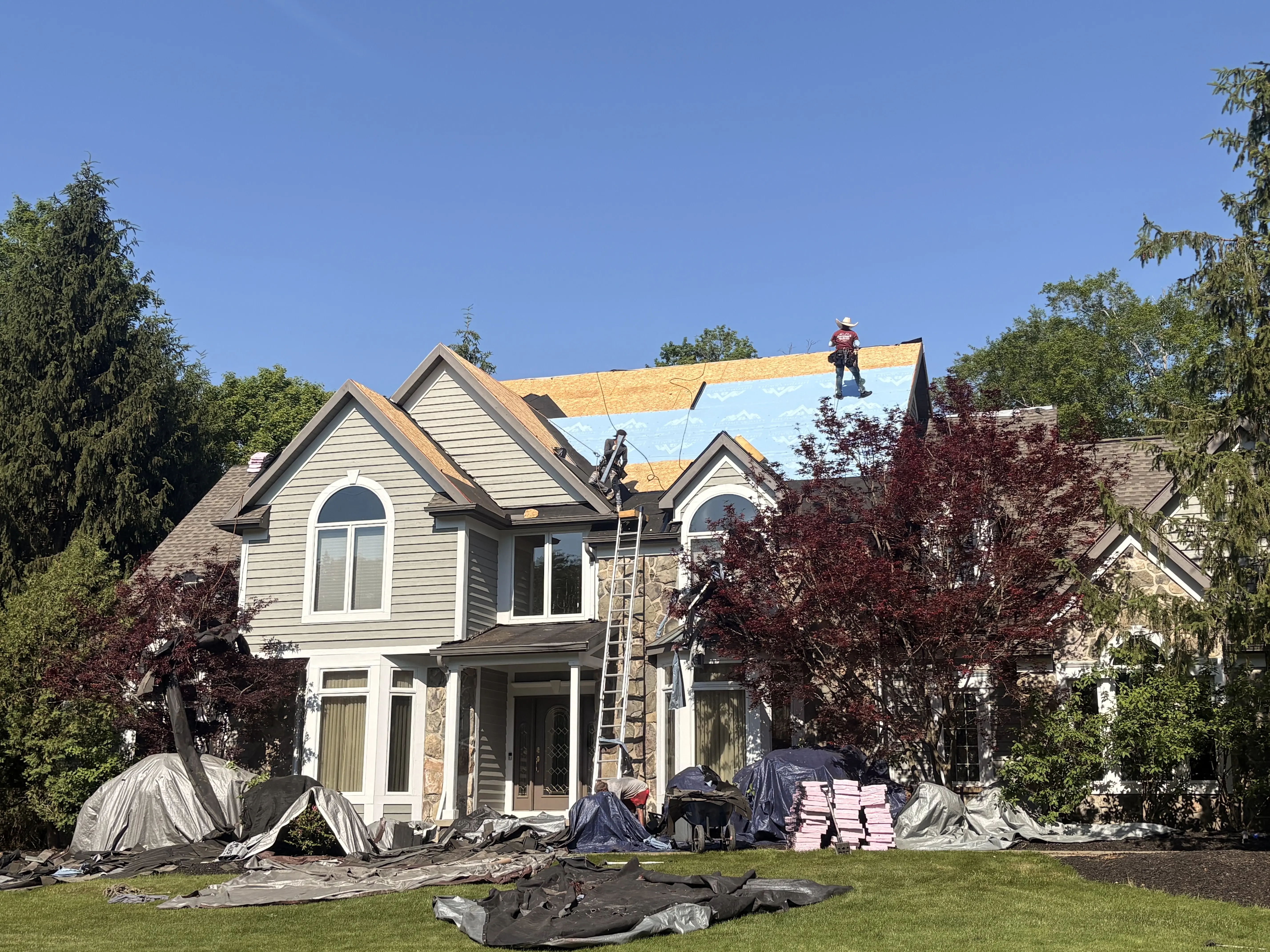
Professional roofers bring specialized tools and expertise that homeowners and insurance adjusters often lack. A thorough roof damage assessment includes proof of damage — high-resolution photos, video records and drone footage capturing your entire roof surface.
The detailed damage report your roofer provides includes a scope of work and repair estimates. This documentation allows you to compare the repair cost against your deductible and potential premium increases, helping you make a wise financial decision. Many homeowners discover that minor damage costs less out of pocket than the long-term insurance consequences of filing a claim.

Contacting your insurance provider immediately after storm damage has merit in specific circumstances. If you can see extensive roof damage from the ground, the claim decision is clear. Insurance policies generally contain notification requirements that obligate you to report damage promptly.
As storm damage increases in the U.S., reviewing your policy is essential. It declares what types of damage are covered, what exclusions apply and the deductible amount you'll pay before insurance coverage begins. Wind and hail damage are typically covered, but normal wear and poor maintenance may be excluded.
Reviewing your coverage limits and deductible clarifies your financial exposure. Understanding these policy details prevents surprises when repair estimates arrive. Consult with your insurance agent before filing to gain insight into how a claim might affect your rates.
When you need to file a claim, contact your insurance company immediately to report the damage. Your insurer will assign a claim number, explain their procedures and schedule an insurance adjuster appointment to inspect your property.
Be prepared to provide a recorded statement describing the damage. The claim timeline varies by insurer and complexity, but most insurance companies process straightforward storm damage claims within several weeks.
The expert-recommended strategy combines elements of both approaches, giving you maximum control over your post-storm recovery. This balanced method involves getting a professional post-storm roof assessment to inform your conversation with your insurer, ensuring you make decisions based on complete information.
This coordinated effort between you, a reputable contractor and your insurance company creates a smooth claims process when filing is necessary and protects you from unnecessary claims when it's not.
Your priority after any storm is securing your property. Walk your property to photograph visible damage using your smartphone, noting the date and time. If you can safely access your attic, check for water intrusion or light visible through the roof deck.
Take quick action to prevent additional water damage by placing buckets under active leaks and moving valuables away from affected areas. If damage is severe, contact an emergency roofing service immediately. These steps satisfy your policy's requirement to mitigate further losses while creating your damage record.
Once you've documented obvious damage and secured immediate safety, notify your insurer that your roof has storm damage. Skip the formal claim for now — simply report that a weather event occurred and you're evaluating the extent.
Ask your insurance representative specific questions about your deductible, coverage limits and how filing a claim might affect your premiums. This conversation provides context without committing to the formal claims process.
Schedule an independent roofer to conduct a comprehensive inspection and provide a detailed estimate for all necessary repairs. This professional evaluation should include itemized costs, material specifications and timeline expectations. If the damage is extensive, your roofer can determine whether a full roof replacement is necessary.
Armed with this information, you can make an informed decision about whether to proceed with your insurance claim for roof repair. The numbers tell the story — substantial costs warrant coverage activation, while minor expenses may merit direct payment. Having your roofer present during the adjuster meeting ensures all damage is properly documented.
Disaster events can attract unethical contractors who prey on homeowners' urgency and stress. Be wary of door-to-door contractors offering immediate repairs without proper licensing or insurance documentation. These "storm chasers" pressure homeowners into signing contracts before damage is properly assessed, then disappear or perform substandard work.
Avoid contractors who use pushy sales tactics or demand full payment up front. Reputable roofing companies understand that homeowners need time to review contracts. Don't ignore small damage — minor leaks worsen quickly. The Federal Trade Commission provides guidance on avoiding home improvement scams.
Delaying your claim unnecessarily can create complications, but filing immediately without understanding the financial implications can cost you more. The key is informed, timely action based on professional assessment.
Once you've decided who to call first for roof damage after a storm, you need expert help. Lifetime Quality Roofing and Exterior Services provides comprehensive inspections using drone technology, detailed damage reports your adjuster can't dispute and emergency repairs that prevent further damage.
We've successfully guided countless homeowners through the insurance claims process. Schedule your free roof inspection today and take control of your recovery.