
Everything You Need to Know About Cleaning Roof Shingles
Discover the best methods to clean your roof with shingles and improve its longevity. Learn how to clean your roof …
June 27, 2022
7 MIN READ
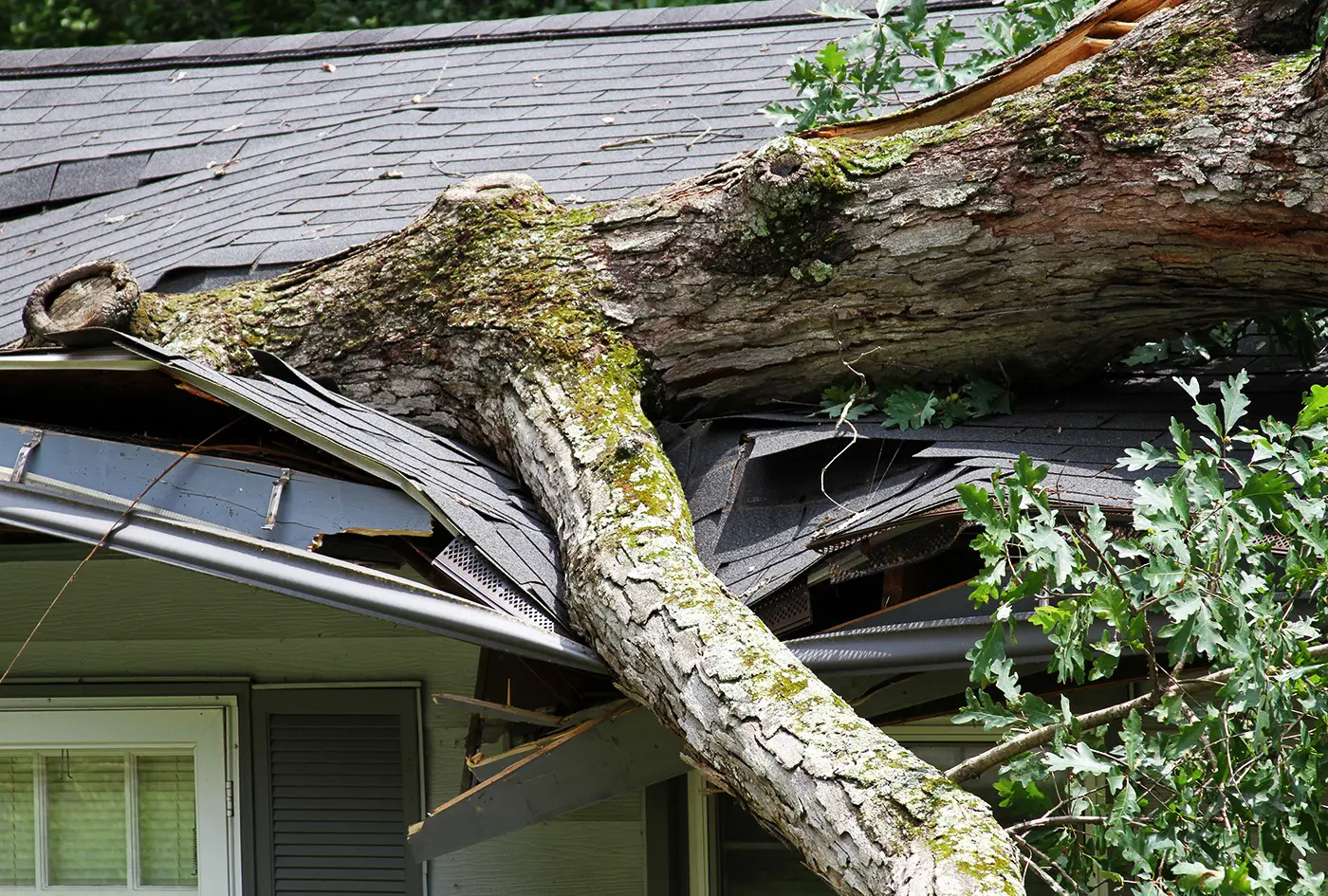
A denied roof claim feels like a gut punch, especially when you've paid premiums for years and followed every rule. You're not imagining the frustration. In 2024, 14 large U.S. insurers closed nearly half of homeowner claims with no payment, turning what should be straightforward coverage into an uphill battle.
But most homeowners don't realize that a denial isn't the final word. It's the opening move in a negotiation you can win with the right strategy. This guide gives you a step-by-step homeowner action plan for claim denial. By the end, you'll have expert-backed strategies to take control of the situation and secure a fair resolution for your roof.
The first step in overturning a roof claim denied decision is becoming an expert on your insurer's specific reasoning. The aim is not to agree with their assessment, but to understand exactly what argument you need to counter. When you know what to do if your roof claim is denied, you gain the upper hand in negotiations. Insurers count on homeowners accepting denials at face value, so avoid playing into their expectations.
Start by taking a closer look at your denial letter. Identify the exact reasons your insurer provided, the specific policy clauses they referenced and any appeal deadlines buried in the fine print. Common reasons for a denied roof claim include lack of maintenance, wear and tear, preexisting damage, or policy exclusions that the insurer believes apply to your situation.
Pay particular attention to factual errors in the adjuster's report. Did they misidentify your roof's age? Overlook storm damage documented in weather reports? Attribute wind damage to a date when there was no severe weather? Mistakes like these will become your leverage points when disputing an insurance decision.
Find the specific clauses from your denial letter in your full insurance policy document. Read the surrounding text for context that the insurer may have conveniently omitted. Insurers often cite policy language in isolation, stripping away qualifiers or exceptions that support your claim.
Understanding your coverage, limits and exclusions is critical. What does your policy actually say about storm damage versus wear and tear? Where does the burden of proof lie? Wind and ice damage coverage varies significantly between policies. Knowing the distinctions of yours will help you identify where the insurer's interpretation may be incorrect or overly restrictive.
The initial claim shows your insurer's assessment. This step is about building your counter-assessment with evidence they can't dismiss. The goal is to present irrefutable proof that the damage falls within your coverage. An insurance claim denial appeal is likely to succeed when your documentation is more thorough and credible than the adjuster's initial findings.
Getting a second opinion from a qualified, independent expert who works for you rather than your insurer is one of the most powerful moves you can make. You can get a detailed report that directly challenges the insurance adjuster's findings, backed by professional credentials that your insurer must respect.
An independent roof inspection conducted by experienced professionals can identify storm damage that the adjuster missed or mischaracterized. Experts understand the difference between storm-related failure and age-related deterioration. They document findings with precision, providing the technical foundation your appeal needs to succeed.
Build a file that leaves no room for ambiguity. You want an evidence-based case that the insurer must take seriously. Take a comprehensive approach to demonstrate you're not guessing about the damage.

Your documentation checklist should include:
File a formal internal appeal using the process outlined in your denial letter or policy documents. Write a clear, concise letter that references your claim number, disputes the specific reasons for denial point by point and includes all the new evidence you gathered in Step 2.
Send your appeal via certified mail and request a return receipt. This will create an official record of receipt and start the clock on your insurer's response timeline. Many policies require insurers to respond within specific time frames once they receive your appeal, and you'll want documentation proving when that clock started.
Be professional but firm. State that you're requesting claim approval and payment for covered damage and why the evidence supports your position. Avoid emotional language or threats and let your documentation make the case for you.
If your internal appeal gets denied, outside parties can help level the playing field. State insurance departments, public adjusters and unused policy provisions all offer viable paths forward for getting your roof claim approved.
Filing a complaint with your state's Department of Insurance or equivalent agency will generally trigger a review of your insurer's handling of the claim. While departments can't force a specific outcome, insurers often reconsider when regulators get involved.
Consider hiring a public adjuster who represents policyholders exclusively. Unlike insurance company adjusters, public adjusters will advocate for your interests and typically work on a percentage of the final settlement.
Many policies also include an appraisal clause, which requires you and the insurer to each hire an appraiser to evaluate the damage. If they disagree, a neutral umpire makes the final call. Understanding these options gives you multiple strategic paths when one route hits a dead end.
Some situations demand an attorney's involvement. If you suspect bad faith from your insurer, including unreasonable delays, failure to investigate properly or denial without a legitimate basis, legal counsel can protect your rights and pursue additional damages beyond your claim value.
Scenarios involving complex denied roof repair claims also benefit from legal expertise. High-value properties, commercial claims or cases involving multiple policy provisions may require interpretation that only an experienced insurance attorney can provide.
If you've exhausted internal appeals and external options without resolution, an attorney becomes your final strategic tool. Many insurance lawyers work on contingency, meaning they only get paid if you win. This setup makes legal representation accessible even when facing mounting repair costs.
Overturning a denied roof claim requires persistence, documentation and often the backing of an independent expert who can counter your insurer's findings. Lifetime Quality Roofing and Exterior Services brings decades of combined experience helping homeowners navigate insurance claims.
Our team understands what adjusters look for and what they miss. Whether you need a comprehensive independent inspection to strengthen your appeal or trusted residential roofing professionals to complete the repair once your claim is approved, we're here to support you every step of the way.