Everything You Need to Know About Cleaning Roof Shingles
Discover the best methods to clean your roof with shingles and improve its longevity. Learn how to clean your roof …
June 27, 2022
7 MIN READ
For homeowners in storm-prone areas, impact-resistant asphalt shingles aren't just a nice upgrade — they're a smart investment in your home's most important line of defense. These specially engineered shingles protect against hail damage that would compromise standard shingles, and they can go the distance where ordinary roofing products fall short.
The secret comes from polymer-modified technology that absorbs and disperses impact energy rather than cracking under stress. In this guide, we'll walk you through how these shingles work, what the certification ratings mean for you and why the up-front investment pays off in the long run. When severe weather threatens, you'll have genuine peace of mind knowing your roof can handle what's coming.
If you've ever wondered what separates an impact-resistant shingle from a standard one, the answer starts with what's baked right into the material. Advanced roofing technology centers on modified asphalt formulas that incorporate rubberized polymers. Manufacturers blend these specialized additives into traditional asphalt during production, transforming it into a tougher, more flexible material with significantly enhanced protection capabilities.
Think of it this way. A standard shingle is a bit like a ceramic mug. It holds up fine under normal conditions, but take a hard hit and it cracks. An impact-resistant shingle is more like a rubber ball. It can flex and absorb a blow without breaking. That rubber-like quality allows bending and recovery under stress rather than cracking.
Modified asphalt also creates a stronger bond with the granular surface layer, the tiny protective coating you can see and feel on top of your shingles. Your shingle's granular layer serves as its first defense against UV rays and physical impacts, and enhanced bonding keeps those protective granules in place long after a storm has passed.
There's an official rating system for shingles, and it matters more than you might think, especially when it comes to your insurance. The standard is called UL 2218, developed by Underwriters Laboratories, and it's what insurance companies rely on when evaluating your home's storm vulnerability.
Testers drop steel balls of specific sizes from set heights onto shingle samples, and the shingle must survive two direct hits at the exact same spot without tearing or cracking.
Shingles are ranked from Class 1 to Class 4. Class 1 represents the minimum impact resistance tested with a 1.25-inch steel ball, while each higher class requires surviving progressively larger impacts.
Class 4 is the highest impact-resistance rating available for residential roofing, requiring products to withstand a 2-inch steel ball dropped from 20 feet. To give you a sense of scale, a 2-inch hailstone is roughly the size of a golf ball.
If you live somewhere that sees serious hailstorms, this is the rating you want. Hail-resistant shingles earning this certification deliver superior protection by withstanding impacts that would destroy conventional options. Performance at this level corresponds to severe hail conditions that routinely occur in vulnerable regions.
A 2-inch hailstone carries a surprising amount of force, and during a serious storm, your roof could take hundreds or even thousands of those hits in a matter of minutes. Class 4 shingles are built to withstand these conditions, providing robust roofing for hailstorms that maintains structural soundness. The Insurance Institute for Business and Home Safety (IBHS) verifies top-rated IBHS products that consistently demonstrate this level of long-term performance, making impact-resistant shingles essential for storm damage prevention.
Your home's location determines the protection your roof needs. Regions known as Hail Alley stretch from Texas through Nebraska, where severe hailstorms strike regularly during spring and summer. Tornado zones and coastal hurricane regions face intense wind-driven debris and sustained high winds.
FEMA recommends stormproof roofing in these areas. Proper storm damage mitigation starts with matching your roofing materials to regional weather patterns. Impact-resistant shingles are engineered specifically for high-risk zones to provide extreme weather protection and increased safety for your family.

These durable asphalt shingles truly shine where conventional materials reach their limits. The advanced polymer technology absorbs impacts and maintains roof integrity through multiple severe weather events, delivering reduced repair costs and extended service life that standard asphalt products can't match.
It's easy to assume your roof is fine after a storm if you don't see any obvious damage from the ground. But what's happening at the shingle level tells a different story. Conventional shingles experience predictable failure during severe weather, including punctures from hail damage, granule loss, and substrate cracking. Each of these issues chips away at your roof's integrity, often long before you notice a leak inside your home.
Residential impact-resistant shingles respond very differently. When hail strikes, the flexible material absorbs and disperses energy rather than fracturing. That same resilience extends to wind and debris too. Properly installed shingles maintain their position during events that cause lifting and tearing damage to standard options, preventing the broken shingles that lead to water intrusion.
The sticker price of impact-resistant shingles is higher than that of standard options. There's no getting around that. But here's the part most homeowners don't think about until they're already dealing with storm damage — those cheaper shingles tend to cost a lot more in the long run.
A higher up-front investment becomes genuinely cost-effective when you factor in long-term value. Standard shingles in vulnerable areas require frequent repairs after weather events. Impact-resistant options dramatically reduce repair frequency, cutting down on emergency expenses and extending roof life substantially.
Carriers also offer significant homeowner savings for certified Class 4 roofs, with insurance discounts for impact shingles available depending on your location and insurer. Some states mandate these reductions as storm mitigation credits.
Avoiding premature replacement represents the most significant financial benefit. A single avoided roof replacement can more than offset the price difference between standard and impact-resistant shingles, making this a genuine long-term investment for both your home and your budget.
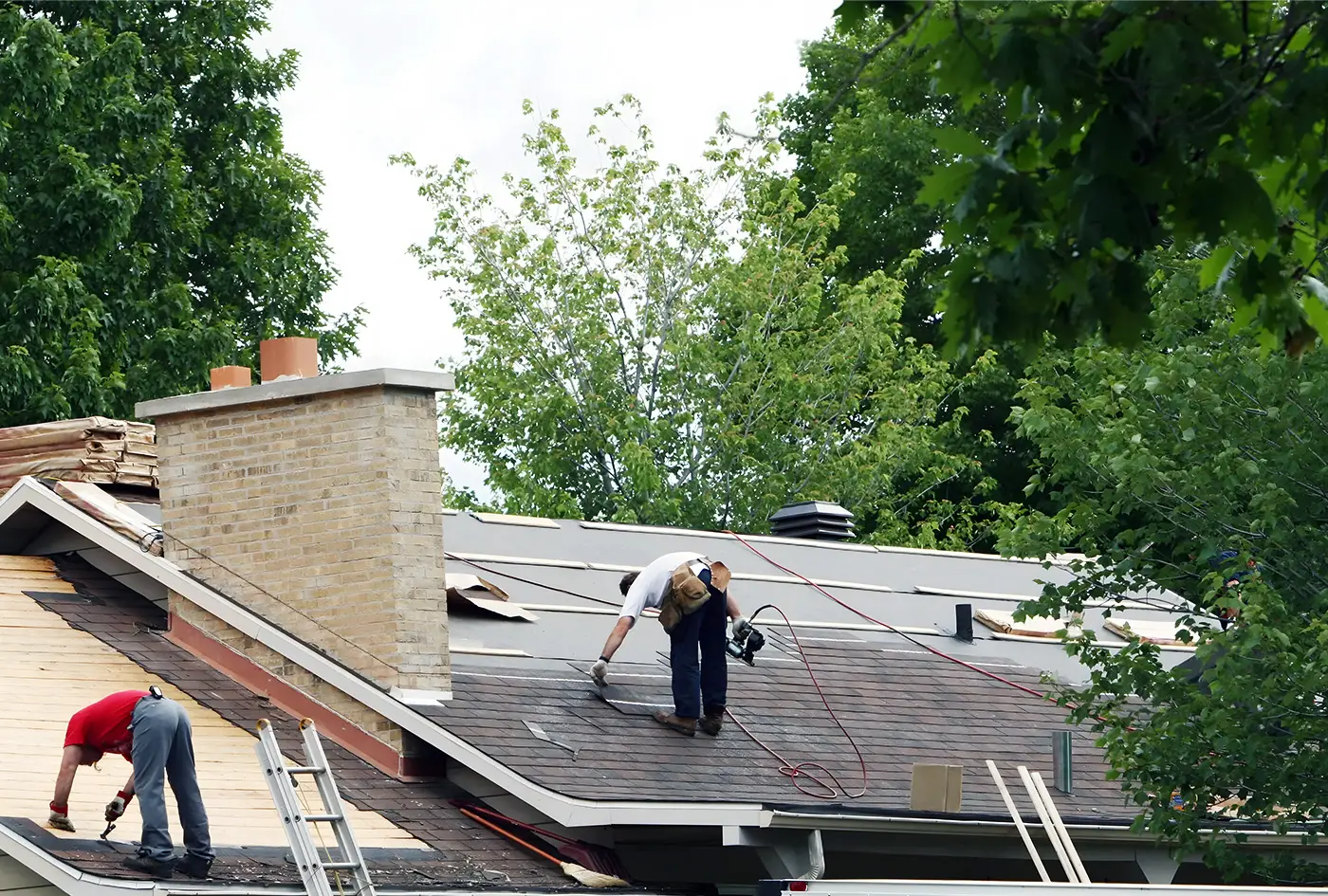
Choosing the right shingles is only half the equation. Proper installation is what turns a great product into a great roof. Working with expert installation from professionals ensures you get the full performance these products deliver. A certified roofer brings manufacturer-specific training and knows the precise application techniques that directly affect system integrity and optimal performance. Things like nail placement, overlap patterns, and adhesive application might sound like details, but they're what keep your manufacturer's warranty valid and your roof performing as it should.
Regular maintenance, including professional inspections, helps sustain performance over time. A qualified inspector can catch small issues before they become expensive ones, verify proper flashing seals and confirm your roofing system continues functioning as designed. Think of it as routine checkups for your home's most important protector.
A strong roof doesn't just shelter you from the next storm — it gives you the confidence to weather whatever comes next, for decades to come. Beyond protecting against the next storm, you're future-proofing your home for decades of severe weather.
Lifetime Quality Roofing and Exterior Services specializes in storm-prone area roofing installations. Our certified team will evaluate your current roof, explain your material options in detail and deliver the expert installation required for optimal performance. You'll get straight answers, transparent pricing and the high-end service you expect.
Ready to stop worrying about the next storm? Contact us today to schedule your complimentary roof inspection and take the first step toward real peace of mind.