
Why is My House’s Vinyl Siding Peeling?
Discover the reasons behind your vinyl siding peeling and learn effective solutions to protect and maintain your house's vinyl siding.
October 27, 2023
4 MIN READ
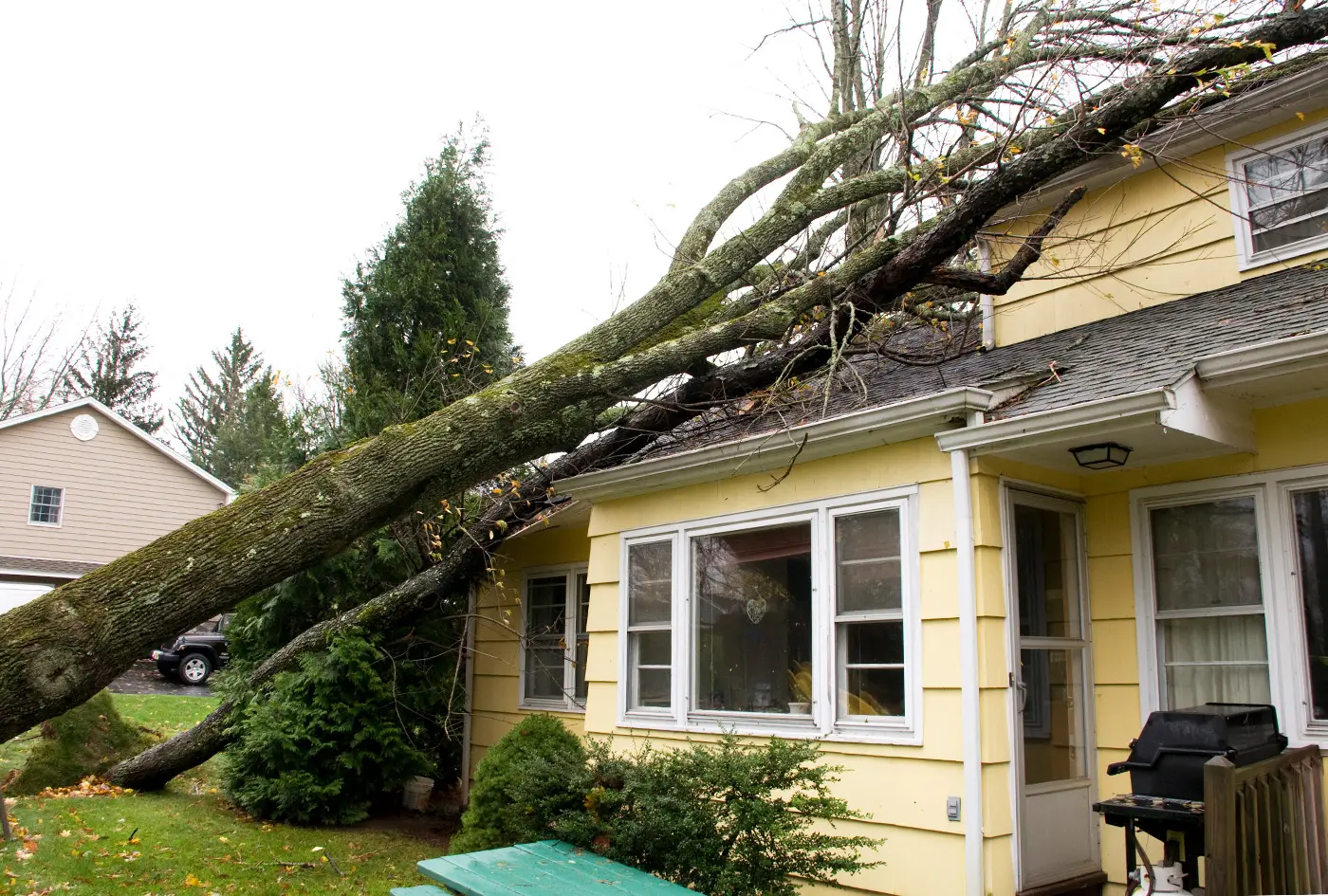
Tennessee's unpredictable weather strikes without warning. Tornadoes tear through neighborhoods in minutes. Hail pummels roofs relentlessly. Straight-line winds rip shingles away before homeowners can react. The aftermath brings immediate stress — damaged roofs, water intrusion and uncertainty about whether your insurance will cover repairs.
Many homeowners assume they have plenty of time to file a roof insurance claim after storm damage. That assumption can cost thousands. Missing your policy's claim deadline means paying out of pocket for a full roof replacement, even after years of faithful premium payments.
Understanding how long you have to file a roof claim can help you act with the urgency required to protect your coverage before your window closes.
The Tennessee statute of limitations for property damage generally provides a three-year deadline for filing actions related to injuries to real property under Tennessee Code section 28-3-105. It represents the maximum legal window before your right to pursue a claim expires completely.
However, insurance policies can legally shorten this period. Insurance carriers can lessen the statute of limitations for breach of an insurance policy with the policy terms, provided the shorter period is reasonable. Most carriers enforce claim windows of one to two years.
When reviewing your Tennessee homeowners insurance claim period, you'll encounter specific terminology that governs these deadlines. For example, proof of loss refers to documentation you must provide to validate your claim. Adjusters use these terms to determine whether your claim falls within acceptable filing windows.
Standard claim windows vary significantly depending on your carrier and policy language. Understanding common Tennessee insurance claim deadlines helps you identify what applies to your situation:
Tennessee homeowners insurance claim periods can also have entirely different timelines following catastrophic events like hurricanes or storms. Always verify your specific policy language rather than assuming which time frame applies.
The "date of loss" is the exact day the damaging event occurred. It is the specific date on which the hailstorm struck your neighborhood or the high winds tore through your area. Insurance adjusters typically base claim validity on this date, regardless of when you actually noticed the damage.
The "date of discovery" marks when you first became aware of the roof damage. This date becomes particularly important when storms cause hidden damage that manifests weeks or months later. For example, hail damage often creates subtle granule loss or mat damage that isn't immediately visible from ground level but compromises your roof's integrity over time.
An insurance adjuster will almost always reference the date of loss when evaluating whether your claim falls within policy deadlines. This interpretation can create disputes if you discover hidden damage months after a storm has passed. Careful documentation and prompt professional inspections help establish timelines that protect your claim eligibility.
Here's how catastrophic events impact your deadlines:

Missing your policy's deadline typically results in complete claim denial and coverage forfeiture, regardless of how valid your damage might be or how long you've maintained your policy.
Insurance carriers enforce these deadlines strictly for filing storm damage claims in Tennessee. When you file after the specified window closes, adjusters have clear legal grounds to deny your claim entirely based on policy breach. You may end up facing out-of-pocket expenses for repairs or a full roof replacement that your insurance would've otherwise covered.
If you believe your insurance denied your claim unfairly due to timeline technicalities, you can request internal appeals, file a complaint with the Tennessee Department of Commerce and Insurance (TDCI) or pursue legal recourse. However, these processes are time-consuming, expensive and offer no guarantee of success. It's best to file your claim within the specific deadlines to avoid the extra, costly work.
Acting quickly after discovering roof damage protects both your property and your insurance claim eligibility. Understanding Tennessee roof damage claim rules is the first step. Here's what you need to do immediately after a catastrophic weather event:
Start with a thorough policy review of your actual homeowners insurance documents. Your declarations page and policy conditions sections contain the exact deadlines that apply to your coverage. If this language seems unclear, request direct advice from your insurance agent. They have a professional obligation to explain the policy terms.
The TDCI also provides official guidance on Tennessee local laws affecting insurance claims. Their consumer resources explain your rights as a policyholder and outline proper procedures for filing complaints if you believe your carrier has treated you unfairly.
You can also seek help from roofing professionals. They have direct experience with emergencies and their aftermath, helping homeowners navigate the insurance claims process.
Timely claim filing is your responsibility as a Tennessee homeowner. Your insurance policy exists to protect you, but only if you understand its deadlines and act when storm damage occurs. True roof damage protection comes from policy knowledge and swift action.
At Lifetime Quality Roofing and Exterior Services, we specialize in helping homeowners document storm damage and navigate the insurance claim process with confidence. Our team understands how adjusters evaluate damage and what documentation strengthens claims. We serve Nashville, Knoxville and the surrounding areas in Tennessee.
Contact our experts for a free roof inspection as part of your weather preparation strategy.