Roof Maintenance Checklist for Homes in Tampa, FL
Your roof is fundamental in protecting you from Tampa’s intense storms, hot summer days, and high humidity. Tampa’s changing weather …
February 6, 2026
7 MIN READ
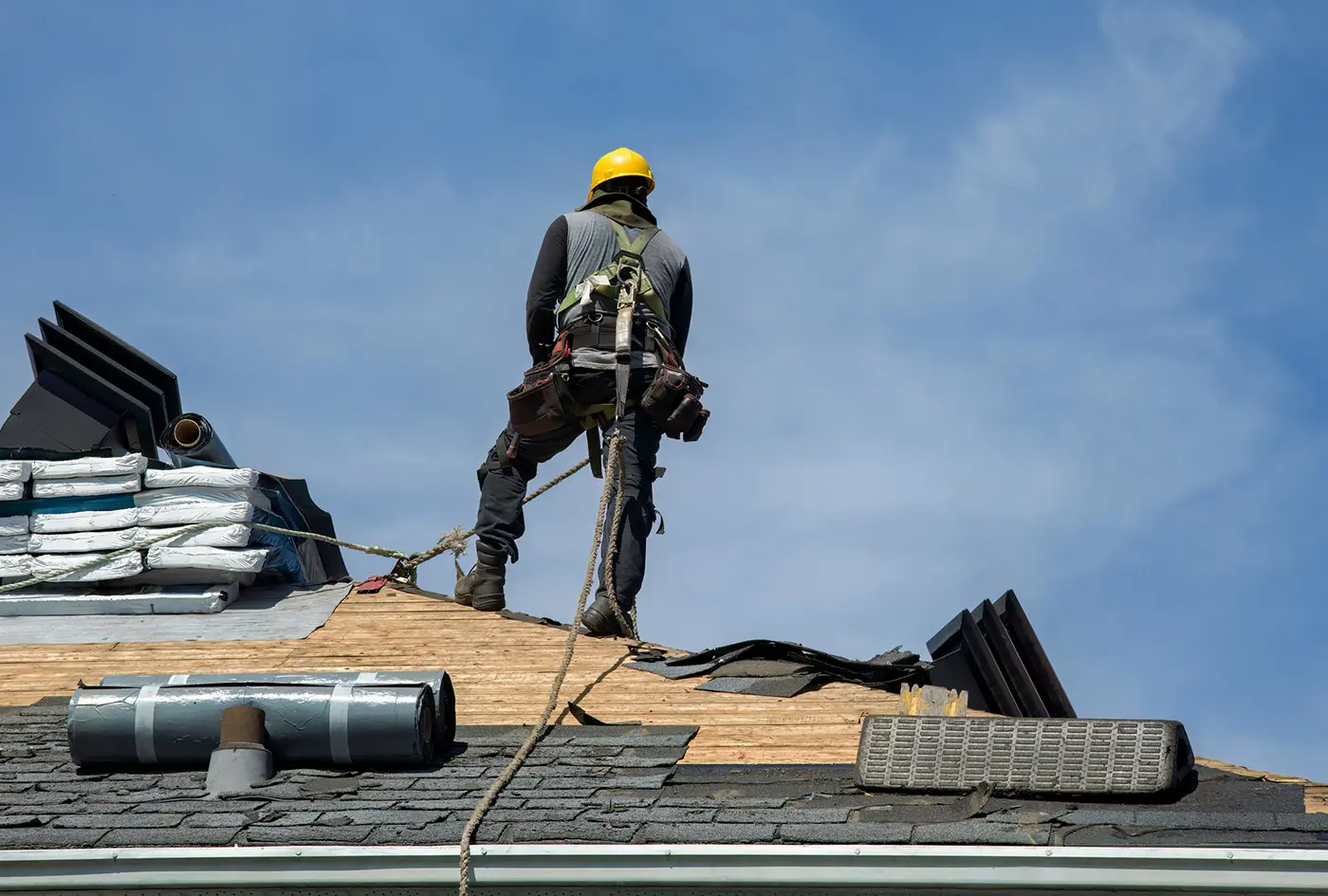
Finding roof damage often puts homeowners in a tough spot. You may question if a simple repair will fix the issue or if a full roof replacement is the smarter financial choice. Many homeowners worry about wasting money on a patch that might fail soon or overspending on a new roof they don't really need yet. This uncertainty grows with stories of untrustworthy contractors and confusing advice that seems more focused on selling than helping you decide.
Deciding between roof repair and replacement is often about about the financial impact. Your choice will impact your home’s value, energy efficiency, insurance coverage, and future maintenance costs. Making the right decision requires knowing how extensive the damage is, how old your roof is, and how your choice will affect your expenses down the road.
This guide aims to provide a clear, practical way to evaluate your options confidently and protect your investment.
Before deciding on roof repair or replacement, it’s essential to understand the type of damage you are facing. Not all roof damage is the same, and the distinction between localized and widespread issues can greatly affect the financial outcome.
Minor damage usually affects a specific area of the roof and doesn’t compromise the overall structure. This might include a few missing or cracked shingles, small punctures from debris, or isolated flashing issues around vents or chimneys. Minor leaks that appear after a storm but do not spread often fit this category. If caught early, localized damage can usually be repaired at a reasonable cost.
Widespread damage involves large areas of the roof or underlying structure. This includes significant shingle loss after a storm, sagging rooflines, water leaks in multiple locations, or damage caused by years of wear and tear. Storm damage that impacts the decking or support structures typically points to a more serious problem. These conditions usually indicate the need for replacement rather than repair.
A professional roof inspection provides the information you need to make a sound financial decision for your roof. Trained inspectors can spot hidden damage, check the roof's structural integrity, and assess whether issues are isolated or widespread. Without a thorough inspection, homeowners risk making decisions based on incomplete information.
Roof repair can be a cost-effective option when certain conditions are met. Knowing when to repair your roof is essential to extend its lifespan and postpone a replacement.
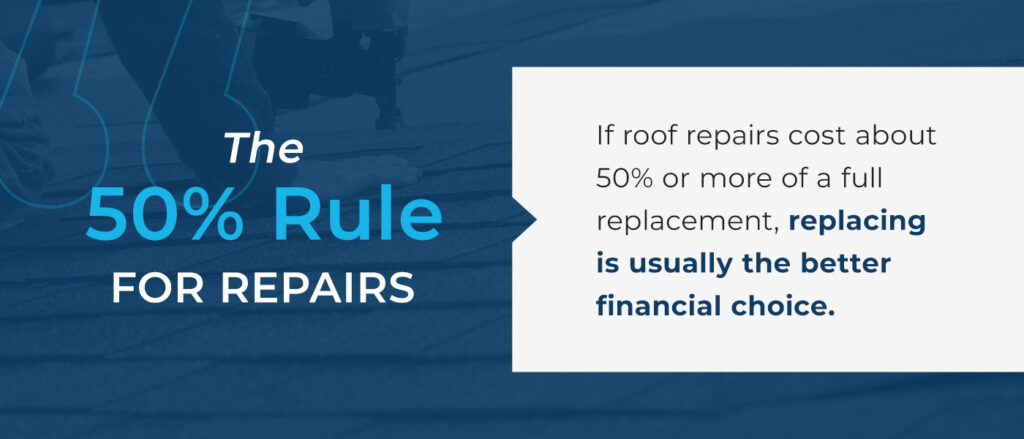
A common financial guideline is the 50% rule. If repairing your roof costs close to or more than 50% of the cost of a full roof replacement, then replacement often makes more financial sense. Spending a lot on repairs for an old roof can offer diminishing returns.
Repair works best for newer roofs with localized damage. Minor roof leaks, damaged flashing or limited shingle replacements are often good candidates for repair. In these cases, repairs can prolong the roof’s life and protect your home without the higher up-front cost of replacement.
On older roofs, repairs can turn into temporary fixes that keep failing. These “Band-Aid” solutions may stop a leak for a while but often lead to recurring issues, interior damage and rising costs over time. Repairing an aging roof can be more expensive than simply replacing it if repairs are frequent.
At some point, a roof can shift from being an asset to a liability. Recognizing these signs can help homeowners avoid ongoing repair costs and know when to replace the roof.
Most asphalt shingle roofs can last up to 30 years. Once your roof's lifespan nears its end, materials start to fail more quickly. Repairs on an old roof usually provide limited benefits because the entire system is close to failing.
Frequent leaks in various areas indicate systemic issues. Granule loss on shingles is another warning signal, as granules protect shingles from UV damage. When granules wash away, shingles break down more quickly, reducing the roof’s effectiveness.
A failing roof can affect your home’s energy efficiency by allowing heat to escape or enter more easily. Sagging rooflines suggest structural problems that should not be ignored. These issues often require a complete replacement to ensure safety and performance.
Understanding the financial impact of your decision involves more than just comparing prices. It’s about looking at long-term value.
Roof repair costs are generally lower up front, making them appealing for short-term budgets. Roof replacement costs more initially but resets the entire system. Comparing these options involves considering how often repairs may be needed in the future.
Many homeowners find it helpful to compare the cost of repairing and replacing their roof using a simple repair-versus-replacement calculator. This factors in current repair expenses, the expected roof lifespan and potential future repairs.
Recent reports show that a new asphalt shingle roof can retain about 68% of its value at resale. A replacement can enhance curb appeal, energy efficiency and buyer confidence, all of which contribute to a stronger return on investment.
Postponing replacement can lead to interior water damage, mold growth, higher energy bills and more frequent repairs. These hidden costs often exceed any savings from delaying replacement.
The age of the roof plays a big role in determining whether replacement or repairs make sense. Fixes on older roofs might void existing warranties or provide only limited coverage.
New roof installations generally come with both material and workmanship warranties, offering long-term protection and lowering financial risk. On the other hand, repairs on an older roof might not be covered, leaving homeowners liable for future problems. Older roofs often carry prorated warranties that provide reduced coverage over time. Certain repairs can void existing warranties, leaving homeowners unprotected if new problems arise.
Understanding how depreciation, warranty terms and remaining lifespan interact helps homeowners make informed choices that fit their long-term plans.
Insurance coverage can significantly affect whether repair or replacement is a sound financial choice. Understanding how insurers evaluate claims helps homeowners set realistic expectations and avoid costly surprises.
The following factors typically influence whether a repair or replacement is approved:
Understanding these evaluation criteria helps homeowners navigate the claims process with confidence and make informed decisions.
Choosing between roof repair and replacement involves more than just fixing what you can see. It’s about protecting your home, managing long-term costs and making a smart financial choice based on your roof’s condition, age and future performance. By understanding the damage, comparing repair and replacement costs, and looking at warranties and insurance coverage, homeowners can avoid quick fixes that lead to larger expenses down the road.
When the decision is tough, professional guidance can help. Lifetime Quality aims to provide clarity, transparency and skilled workmanship in an industry where trust is essential. Our team takes a consultative approach. We help you understand your options, your investment and the best way to ensure lasting protection and peace of mind.
Contact us to schedule your free inspection today!