Everything You Need to Know About Cleaning Roof Shingles
Discover the best methods to clean your roof with shingles and improve its longevity. Learn how to clean your roof …
June 27, 2022
7 MIN READ
If you own a home in Pennsylvania, your roof endures significant weather year-round. The best roofing materials provide excellent waterproofing, resist extreme temperature fluctuations and high winds and align with both your budget and your home's architectural style. Below, we cover the most popular options and what makes each one worth considering.
Pennsylvania's climate demands resilient roofing systems. Distinct seasonal changes — hot, humid summers and cold, snowy winters — lead to significant temperature extremes, causing expansion and contraction stress on materials.
High summer humidity levels foster mold, while frequent precipitation, including heavy rain and snowfall, can test waterproofing. Storm frequency is high, with strong winds, hail and winter ice, further emphasizing the need for a reliable roof.
Every material you consider should offer reliable protection, but not all Pennsylvania roof types are equally suited to our environment. Your choice of material should withstand these key challenges:
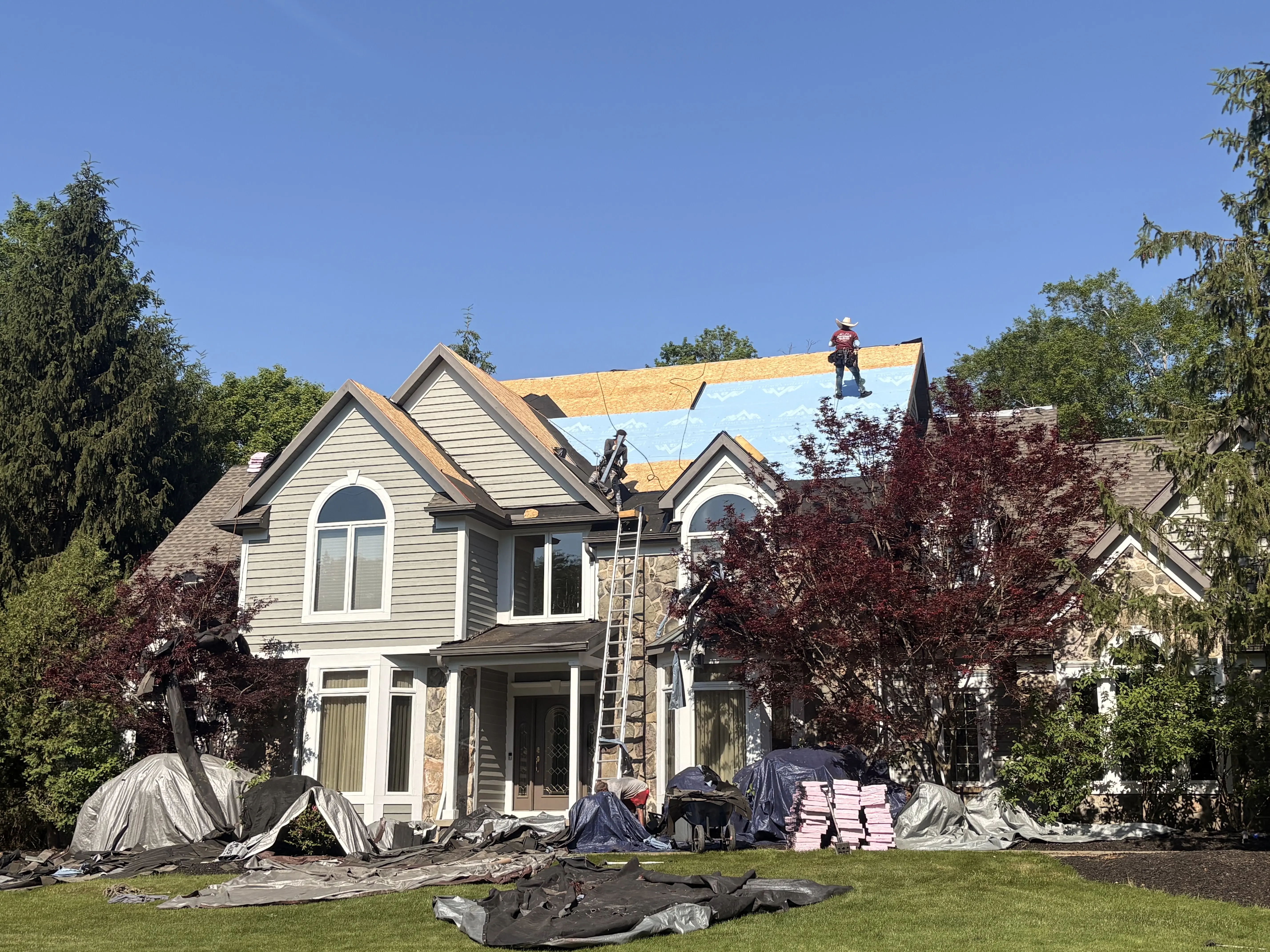
A roof that's suited to Pennsylvania weather handles all these stresses well. But even the highest-quality material won't last without proper installation.
Working with someone who understands durable roofing for Pennsylvania storms and inclement weather is paramount for protecting your home and ensuring long-term peace of mind.
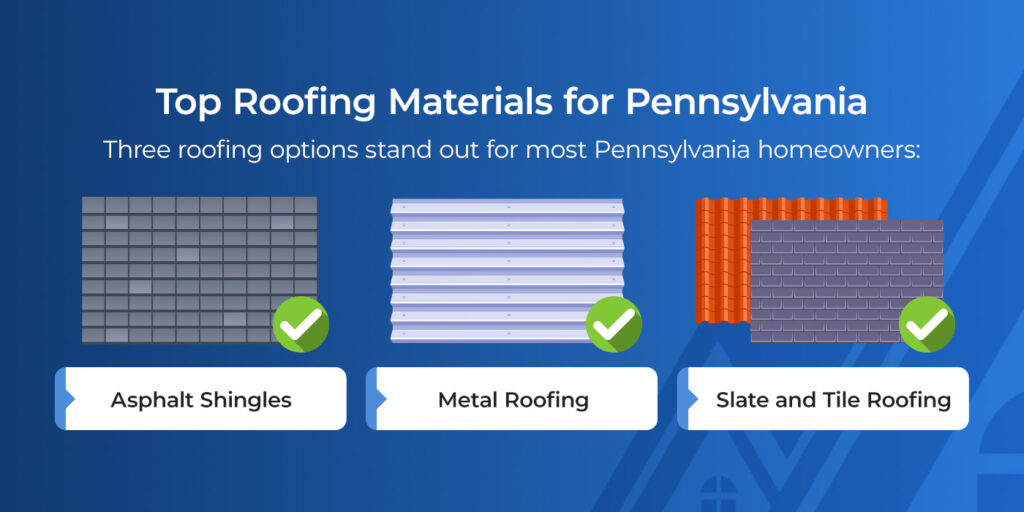
Investing in climate-specific roofing materials can help your roof better withstand the conditions common in PA. Three roofing options stand out for most Pennsylvania homeowners — asphalt shingles, metal roofing and slate or tile.
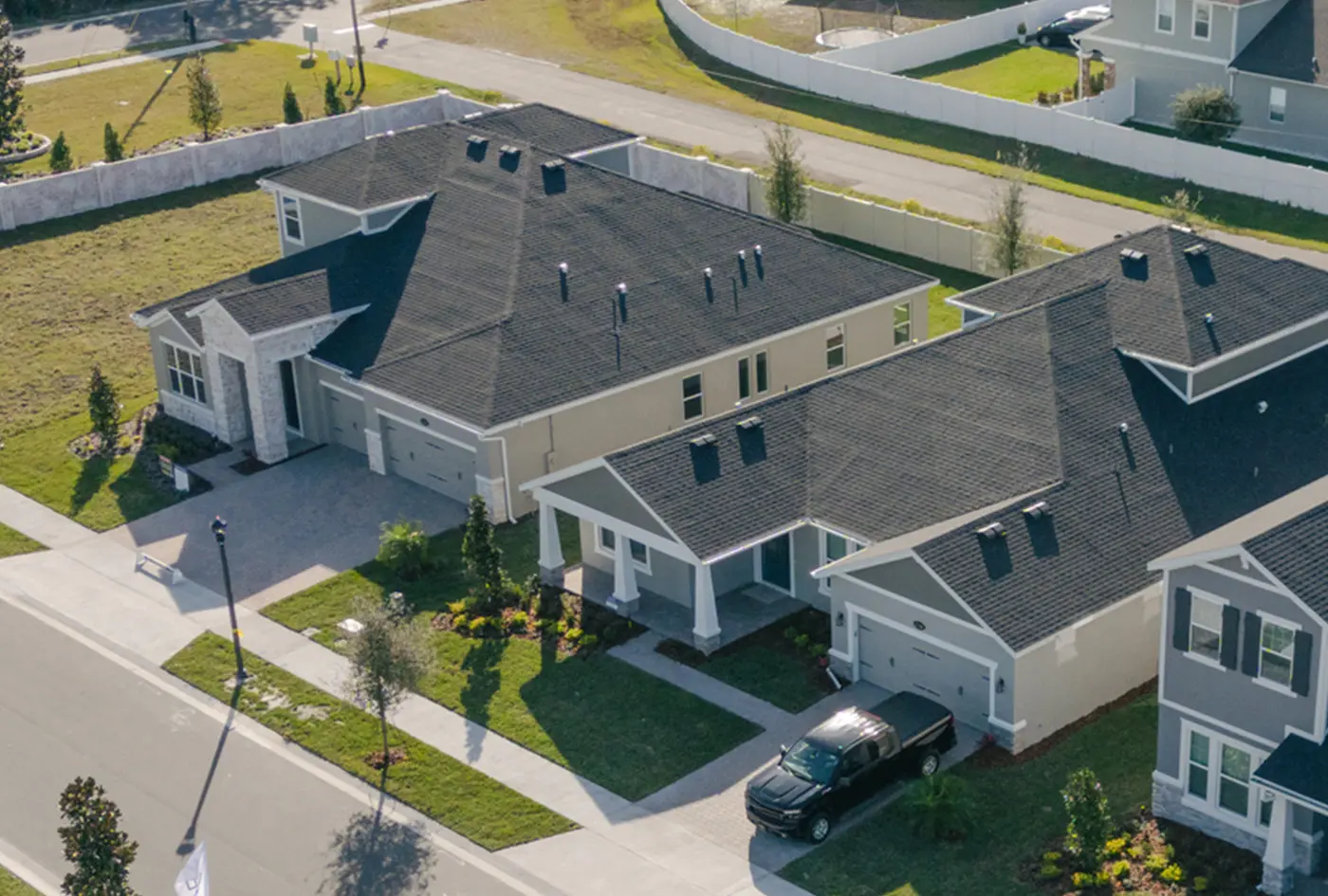
Asphalt shingles are one of the most widely used roofing materials in Pennsylvania. They deliver high performance at an affordable price, making them a practical choice for a wide range of homes. Their layered design provides added strength, improving wind resistance and durability. Many modern options also feature upgraded granules and sealants that enhance impact resistance and help prevent algae staining.
When evaluating shingles, ask your contractor about wind ratings, impact classifications and performance in local conditions. Paired with proper underlayment, attic ventilation and ice-and-water barriers, asphalt shingles are a reliable option for most Pennsylvania homes.
Metal roofing is well-suited to Pennsylvania's weather extremes. Standing seam systems use long continuous panels from ridge to eave, leaving fewer joints where water can collect. The smooth surface helps snow and ice shed before they build up, reducing the risk of ice dams and easing the load on your structure.
With the right panel thickness and fastening pattern, metal roofs effectively withstand high winds and hail. Factory-applied finishes add corrosion resistance and support UV protection and energy efficiency, especially in lighter colors.
The up-front cost can be higher than asphalt shingles, but the longer lifespan often makes metal the stronger long-term investment. Metal roofing performance in Pennsylvania shines in areas with heavy snow, frequent storms and shifts from humid summers to cold winters.
Slate and tile are less common, but they offer exceptional durability. Natural slate is dense, noncombustible and highly resistant to water and temperature changes. It withstands heavy snow, intense sun and sudden cold snaps in ways that lighter, more flexible materials cannot. That durability is why many older slate roofs across the Northeast continue to perform well after decades of exposure.
Clay and concrete tiles perform similarly. They shed water effectively, handle both hot and cold temperatures well, and provide strong wind resistance when properly installed. Installation requires an experienced crew. For historic homes or higher-end projects where the structure allows, these materials are a great match for Pennsylvania’s climate.
Early detection can prevent minor problems from escalating into costly repairs. Here are key indicators that your roof likely needs a roofing upgrade:
Addressing these signs promptly helps protect your home against the state’s challenging seasonal changes and unpredictable storm frequency. A professional assessment can determine if a repair or a full roof replacement is the most cost-effective solution.
Pennsylvania weather roofing solutions are built to address the state’s unique combination of snow, rain and wind throughout the year. For many homeowners, quality asphalt shingles over a well-built roof system provide the performance they need. In more exposed or snow-heavy areas, metal is a strong contender. On the right structures, slate or tile can deliver a roof you may not need to replace anytime soon.
Whether you're planning a future replacement or need help with storm damage now, Lifetime Quality Roofing and Exterior Services has the expertise your property deserves. Our team works with Pennsylvania's weather every day, providing durable regional roofing solutions in the area.
We can assess your roof, explain the pros and cons of each material and repair or install a system matched to your budget, your goals and the weather. Schedule your complimentary roof inspection today.