Why is My House’s Vinyl Siding Peeling?
Discover the reasons behind your vinyl siding peeling and learn effective solutions to protect and maintain your house's vinyl siding.
October 27, 2023
4 MIN READ

Living in the Tennessee Valley offers a stunning backdrop of the Smoky Mountains and four distinct seasons, but that same geography creates a unique stress test for your home's exterior. Knoxville receives an average of nearly 50 inches of rainfall annually, significantly higher than the national average, along with high summer humidity and volatile spring storm seasons.
In this climate, minor neglect accelerates roof aging faster than in drier regions. A small hairline crack in a pipe boot or a single lifted shingle can silently channel gallons of water into your attic during a downpour, causing extensive structural damage before you ever see a stain on your ceiling. The best way to assess roof health and extend its lifespan is through a professional evaluation.
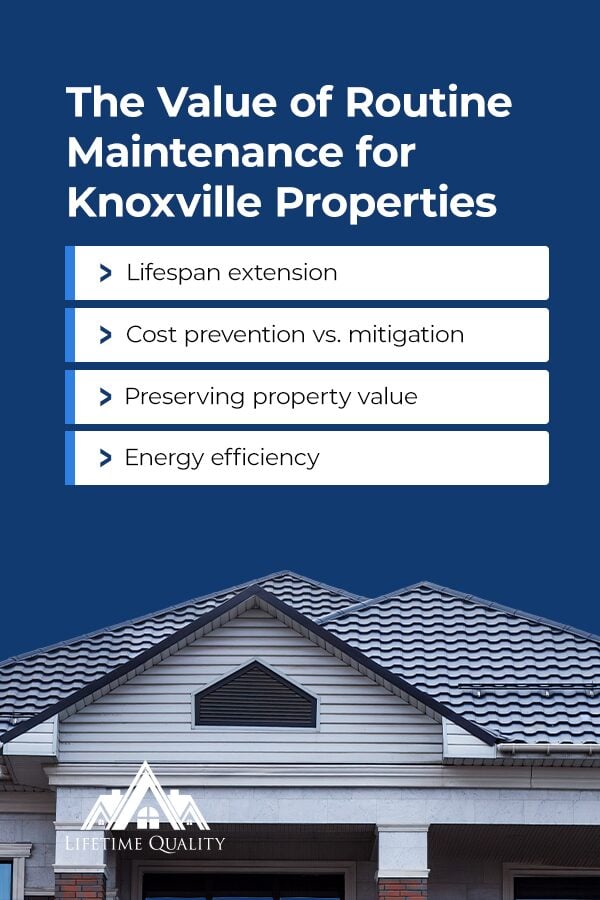
For high-end residential and commercial properties, the roof is more than just a shelter. It's a critical component of the building envelope that dictates energy efficiency and structural integrity. Implementing a consistent plan for roof maintenance yields measurable returns on investment:
Generic home maintenance guides often fail to address the specific microclimate of East Tennessee. Your maintenance schedule must align with local weather patterns to be effective.
Data from the National Weather Service and the City of Knoxville Engineering indicate that rainfall is not evenly distributed. March and July often see peak precipitation levels. Your drainage systems, including gutters, downspouts and valleys, must be fully operational before these months arrive. A gutter system that works fine in a light drizzle may fail during a 2-inch-per-hour summer thunderstorm.
While Knoxville winters are generally mild, we experience frequent fluctuations around the freezing point. Water that seeps into small cracks during the day expands when it freezes at night. This expansion can pop nails, break sealant bonds and crack mortar on chimneys.
The high humidity levels in the Tennessee Valley create the perfect breeding ground for Gloeocapsa magma, a blue-green algae that retains moisture against the roof's shingles and accelerates granule loss and aging.
Spring is a critical window for roof repair and assessment. You're looking for damage left behind by winter winds and preparing for the severe storms that often characterize April and May.
Using binoculars from the ground, scan your rooflines. Winter winds can lift shingles, breaking the adhesive seal that keeps them watertight. Look for:
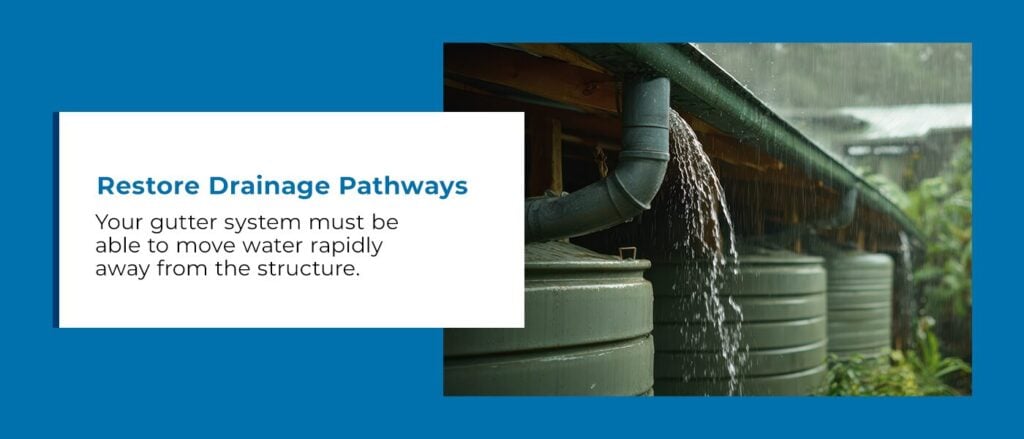
April showers bring heavy water volume. Your gutter system must move water rapidly away from the structure. Run a garden hose into your gutters, if safely accessible, to ensure water flows freely to the downspouts without pooling. Confirm that downspouts discharge water at least five feet away from your foundation. Improper diversion can easily lead to basement flooding in Knoxville.
The underside of your roof overhang, called soffit, and the vertical board facing outward, called fascia, are prone to rot. Softwood invites squirrels, raccoons and birds to nest in your attic. Look for peeling paint, water stains or visible holes.
If you discover missing shingles or loose flashing, call a professional right away to have them reseal the envelope before spring storms arrive.
Summer maintenance focuses on ventilation and aesthetics. Intense UV radiation and heat can degrade roofing materials if the system is not properly ventilated.
Inspect the north-facing slopes of your roof, which receive less sunlight and stay damp longer. If you see dark vertical streaks, it's likely algae. If cleaning is necessary for curb appeal, consult a professional about soft-wash treatments that kill the organic growth without damaging the roof surface. Avoid high-pressure power washing, which strips the protective granules from asphalt shingles.
Your roof needs to breathe to expel the superheated air that builds up in the attic. Be sure to check the following areas:
High UV exposure causes roofing materials to dry out and become brittle. Look for signs of blistering, which appear as small bubbles on the shingle surface. This often happens when moisture trapped inside the shingle expands under heat. The caulking around skylights is also notorious for drying out and cracking in the summer sun. Inspect these seals closely, as they're a more common source of summer leaks.
As leaves begin to change, your focus must shift to debris management. A maintenance checklist Knoxville homeowners rely on must prioritize clearing the roof before the first freeze.
Fallen leaves and pine needles are the enemies of a healthy roof. Here's what you should do to keep these areas clean:
Overhanging tree branches are a liability. Keeping your trees trimmed can prevent debris from falling onto your roof. Trim any branches that hang within six feet of your roof. This prevents mechanical damage from branches whipping against the roof in the wind and reduces the access points for squirrels and rodents. Trimming back the canopy also increases sunlight exposure, naturally inhibiting moss growth.
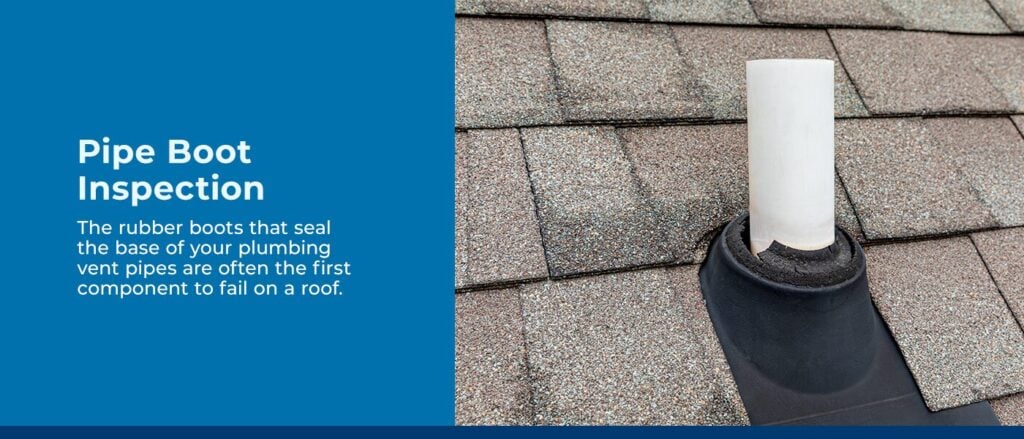
The rubber boots that seal the base of your plumbing vent pipes are often the first component to fail on a roof. They typically last seven to 10 years before the rubber cracks. If you see cracks in the rubber gasket, water is likely running down the pipe and into your walls.
If you have gutter guards, check them before the heavy leaf drop. Ensure they're securely fastened and that no debris has accumulated under the guard or on top of the screen.
Winter in Knoxville is about monitoring. Ladder work is dangerous in cold, slick conditions, so most of these checks should be done from the interior or the ground. Here are some key items to have on your roof maintenance checklist.
Go into your attic on a sunny day. Leave the lights off and look for:
While severe ice dams are rarer here than in the north, they can occur during prolonged cold snaps. Large icicles hanging from the gutter line indicate that heat is escaping your home, melting snow on the roof, which then refreezes at the eaves. This ice barrier forces water to back up under the shingles. Ensure the exits of your downspouts are not blocked by snow piles or frozen puddles, allowing meltwater to escape freely.
This is particularly vital for commercial properties with flat roofs. While building codes account for snow loads, an older structure or a flat roof with poor drainage can suffer under the weight of heavy snow. If you notice sagging rooflines or interior doors that stick after a snow event, consult a structural expert immediately.
High-value estates and commercial buildings often utilize specialized materials that require distinct maintenance protocols:
Knowing when to tackle a task yourself and when to call a professional is the key to safe roof repair and maintenance in Knoxville. Homeowners can generally safely perform visual inspections from the grounds, conduct interior attic inspections and trim lower tree branches. If clearing debris from gutters on a single-story home, make sure the ladder is stabilized first.
According to safety standards and the Asphalt Roofing Manufacturers' Association (ARMA), certain tasks pose significant risks to both the homeowner and the roof system. Walking on steep roofs is one example, as many homes have steep pitches that require safety harnesses. Professionals should also handle shingle replacement — improper nailing voids your manufacturer's warranty and leads to future leaks.
We recommend scheduling professional inspections at least twice a year — once in the spring to assess winter impact and once in the fall to clear debris before the freeze. Additionally, you should schedule an inspection immediately following any major hail or windstorm.
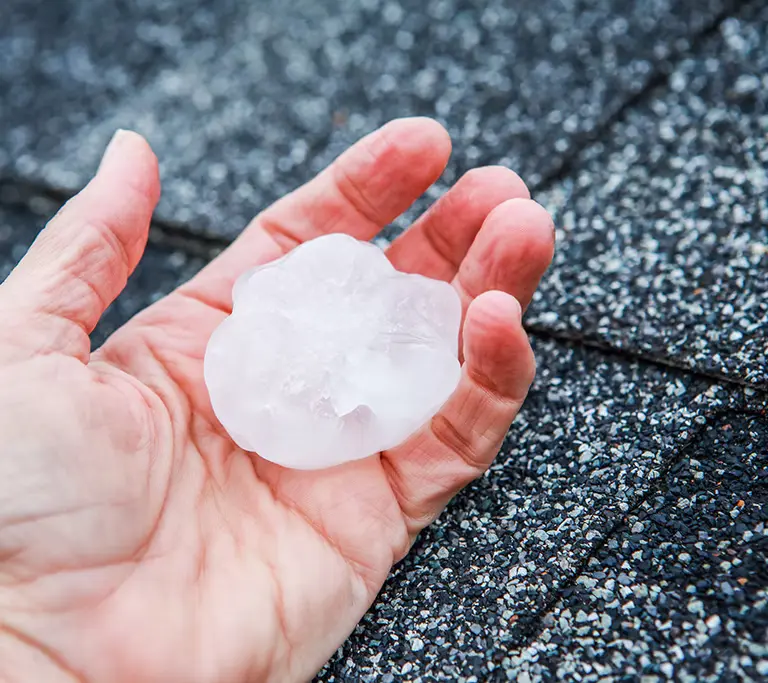
Severe weather can compromise your roof's warranty if damage isn't documented and addressed promptly. If you suspect your home has sustained weather-related roof damage, it's essential to contact a professional for storm damage repair. Professional roofers are trained to spot bruised shingles that look fine to the untrained eye but have lost their structural integrity.
A proactive roof maintenance checklist for Knoxville homes is the most effective way to protect your investment. By following this four-season plan, you ensure that your roof remains a durable shield against the elements, preserving the comfort, safety and value of your property.
You don't have to manage this alone. At Lifetime Quality Roofing and Exterior Services, we have certified experts who can handle the complex work, giving you the peace of mind that your home is ready for whatever the Tennessee weather brings next. We complete all roof installations and replacements with high-quality materials and offer a lifetime warranty. Schedule your free inspection today and take advantage of our superior residential roofing services.