Everything You Need to Know About Cleaning Roof Shingles
Discover the best methods to clean your roof with shingles and improve its longevity. Learn how to clean your roof …
June 27, 2022
7 MIN READ
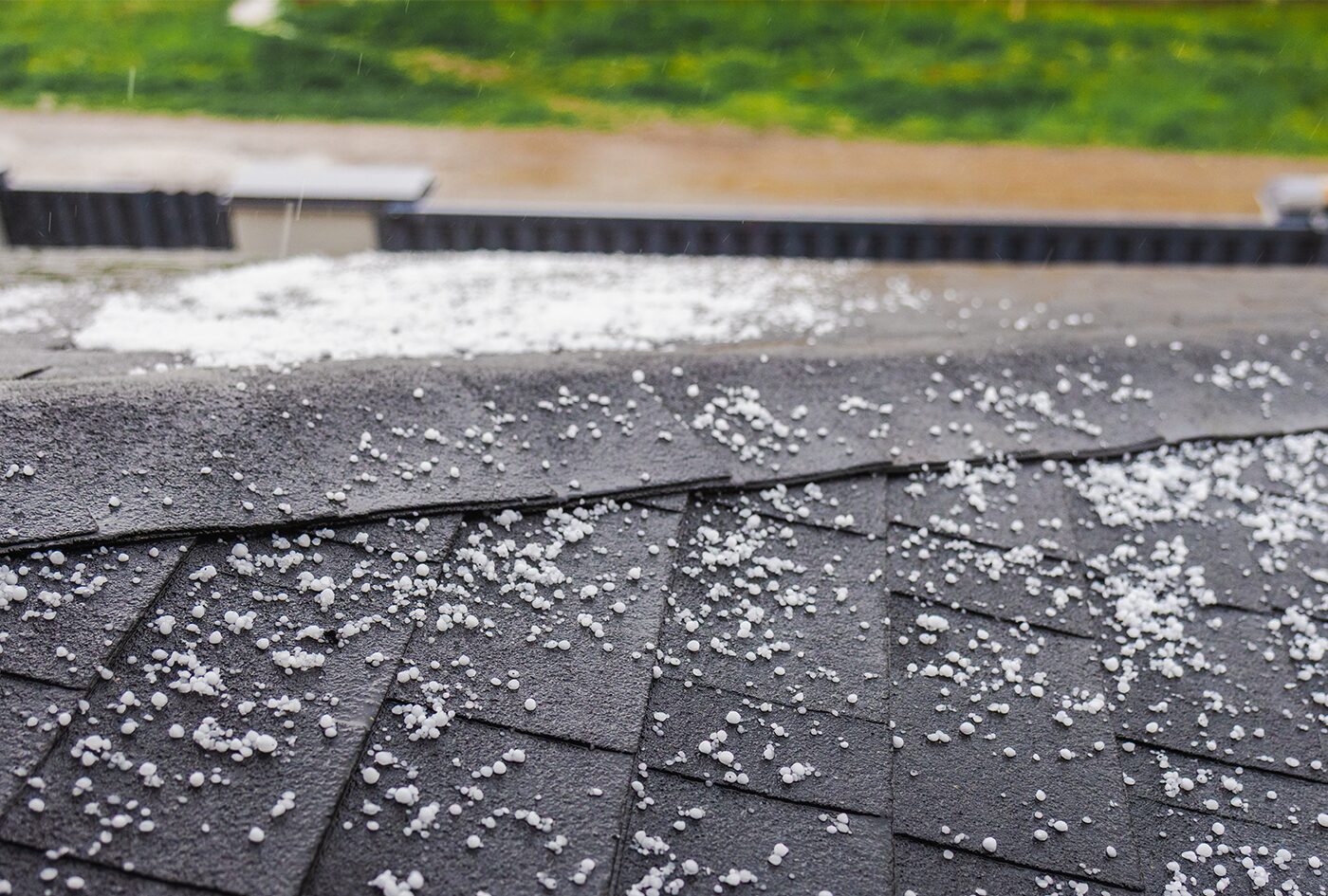
While many Knoxville homeowners watch the forecast for hail or strong winds, some of the most damaging threats to your home's structural integrity are far less obvious. Local climate conditions can quietly wear down roofing materials even in the absence of severe weather events. For example, data from the National Weather Service shows the area receives nearly 50 inches of rain annually and experiences frequent freeze-thaw cycles in the winter. Understanding how our region's microclimate impacts your roof is foundational for protecting your property's value.
Due to its location in the Tennessee Valley, Knoxville experiences a bowl effect that traps heat and moisture, creating lingering high humidity. Additionally, Tennessee's significant daily temperature swings and intense ultraviolet radiation systemically degrade roofing materials over time.
This guide explains how our local weather physically alters your roof, from heat expansion to moisture rot, and why a proactive health check is a better long-term investment than a reactive repair.
Your roof endures a constant barrage from the elements. Over time, this exposure leads to failures that can compromise your entire home or commercial building. Knoxville's specific climate patterns accelerate that process in four distinct ways.
Thermal shock is one of the most damaging and least understood weather impacts in East Tennessee. Knoxville's daytime and nighttime temperatures frequently shift by 30 degrees or more. When 40-degree mornings routinely become 70-degree afternoons, these conditions force roofing materials to constantly expand in the heat and contract in the cold.
This repeated movement creates microfractures within rigid materials like slate, tile and even older asphalt shingles. While invisible at first, these tiny cracks grow with each cycle, eventually leading to splits, tears and a distinct “alligatoring” pattern on the shingle surface.
Thermal shock is a primary cause of premature roof failure and surprise leaks, especially in luxury homes with high-end but improperly managed roofing systems.
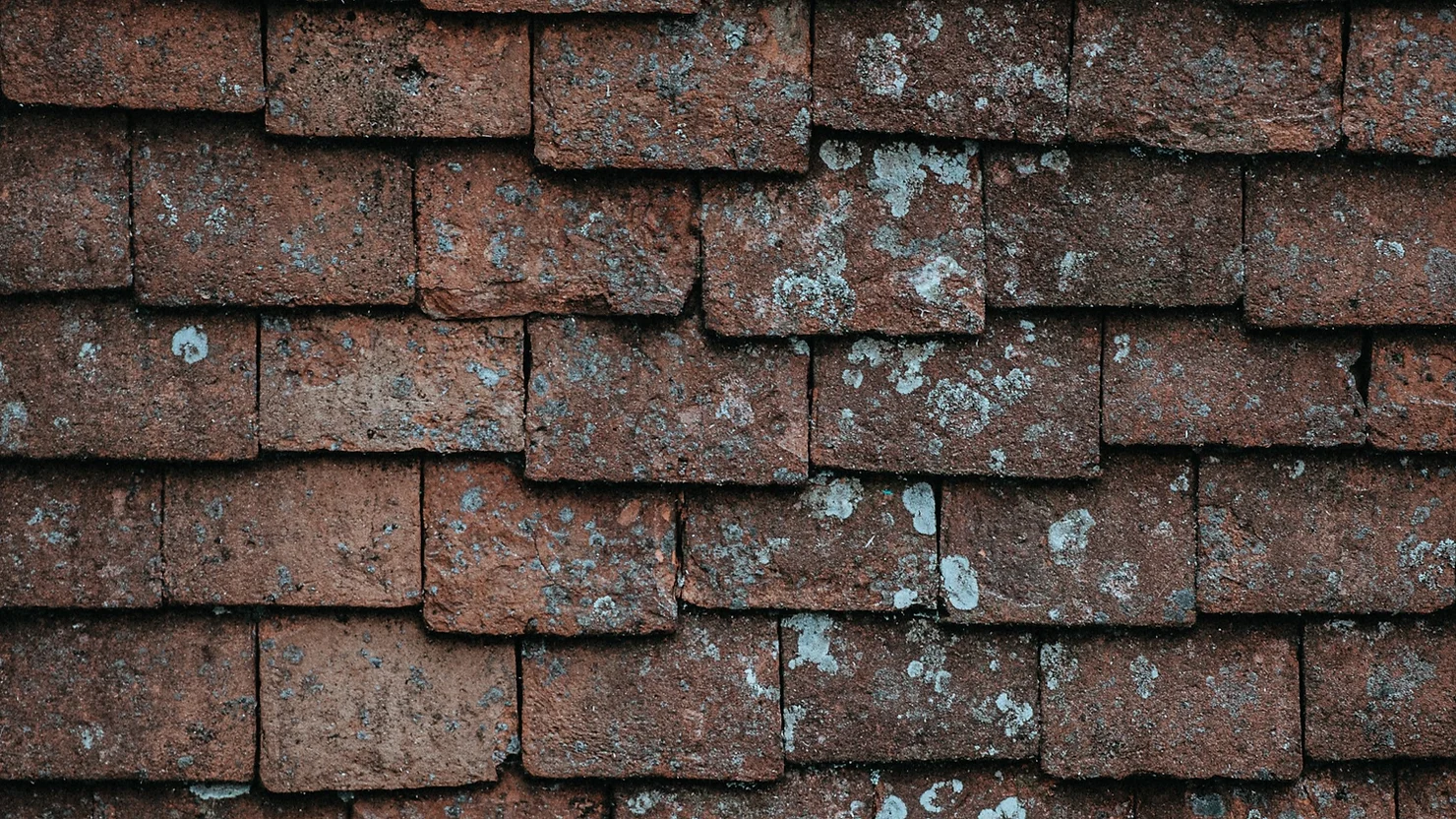
Knoxville's annual humidity averages around 70%, creating a perfect environment for biological growth. When combined with the ample shade from our region's beautiful tree canopies, your roof becomes an ideal breeding ground for moss and algae. The most common culprit is a type of blue-green algae called Gloeocapsa magma, a harmful cyanobacteria that appears as dark black streaks down your roof.
While many consider this a purely cosmetic issue, it actively eats the limestone filler in asphalt shingles. Moss is even more destructive. It acts like a sponge, retaining moisture directly against your roof's surface. This constant dampness can rot the wood decking underneath. As moss colonies grow, they lift the edges of shingles, creating pathways for water to seep in during the next rainstorm.
The sun's ultraviolet rays are another silent threat to your roof. These rays slowly dry out the petroleum-based oils that keep asphalt shingles flexible and water-resistant. Over years of exposure, the shingles become brittle and more susceptible to cracking from thermal shock or impacts.
The most obvious sign of UV damage is finding “sand” in your gutters. These are the protective ceramic granules that cover the surface of your shingles. Their job is to block UV rays and provide the shingles' color and fire resistance. When the asphalt softens under the baking sun, the granules begin breaking loose and washing away. A roof that's losing its granules is essentially getting a sunburn, and its lifespan is rapidly decreasing.
While Knoxville is not in a hurricane zone, meteorologists have noted that Tennessee is increasingly susceptible to tornado activity. Knoxville falls within the Federal Emergency Management Agency's Wind Zone III, meaning it is susceptible to high wind speeds from severe weather events.
Heavy winds create a powerful uplift pressure as they flow over the structure. This force acts like a vacuum, pulling shingles up and away from your roof deck. If heat and UV exposure have already weakened a shingle's adhesive seal, even a moderate gust can be enough to break it free. If one loose shingle allows wind to get underneath its neighbors, it can result in a chain reaction that leads to widespread damage.
Not all materials respond to our local weather patterns in the same way. Choosing a roofing material for Knoxville's unique climate is critical for maximizing longevity and protecting your investment.
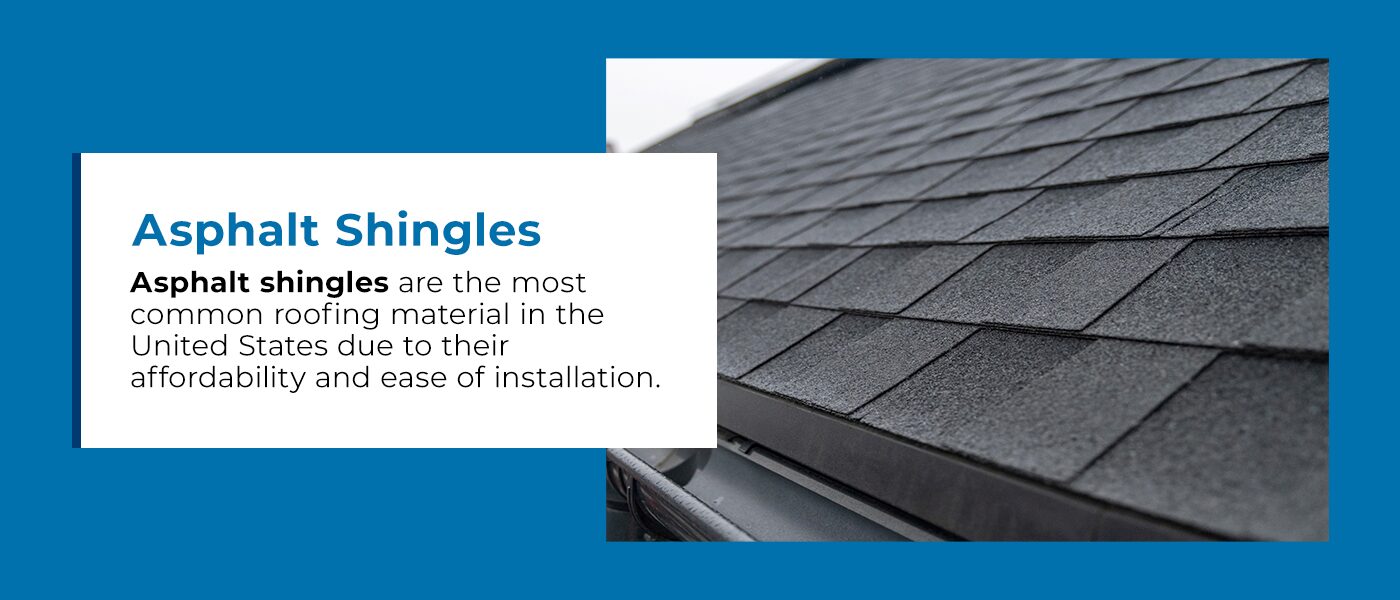
Asphalt shingles are the most common roofing material in the United States due to their affordability and ease of installation. However, they're also the most vulnerable to Knoxville's climate. Standard shingles can quickly develop algae streaks and are susceptible to damage from thermal shock.
Homeowners in our region must select premium shingles. Look for products specifically labeled as “algae-resistant.” These shingles have copper granules mixed in to inhibit the growth of Gloeocapsa magma.
Additionally, your shingles must have a high impact rating. The Insurance Institute for Business and Home Safety uses the UL 2218 impact test to measure how well shingles stand up to hail. This test involves dropping differently sized steel balls from heights that replicate the kinetic force of hailstones. A Class 4 rating is the highest level, earned when a two‑inch steel ball strikes the shingle without causing cracks or fractures. Shingles with a Class 4 rating offer superior protection against hail and other impact‑related stresses, making them optimal for long‑term roof durability.
Metal roofing is an excellent investment for homes and businesses in the Tennessee Valley because it's completely immune to the humidity and algae growth that plague asphalt shingles. Its smooth, hard surface also sheds rain and debris effectively. Frugal homeowners prize metal roofing's ability to reflect solar heat, which can significantly lower your home or building's cooling costs during our hot and humid summers.
Modern metal roofs can also handle thermal expansion, thanks to clips and fasteners that allow the panels to move without straining the structure. They are far more resilient to the daily temperature swings that can crack other materials.
Slate and tile offer unmatched beauty and a potential lifespan of 100 years or more, making them ideal for high-end and historic properties. These materials are virtually synonymous with quality and permanence. However, they require a reinforced roof structure and expert installation due to their weight and rigidity.
Tile and slate also present a unique challenge in our climate because they're highly susceptible to cracking from hail or severe thermal shock if not installed correctly. The most critical component for these systems is the metalwork around the chimney, skylights and valleys. Specialists must meticulously install this flashing to handle Knoxville's heavy rainfall and prevent leaks during expansion and contraction.
Now that you know the impact of Knoxville weather on your roof, it's time to learn to identify some of the most severe forms of weather damage, some of which may not be visible to the untrained eye. Only a close inspection can reveal these hidden issues before they lead to catastrophic failure.
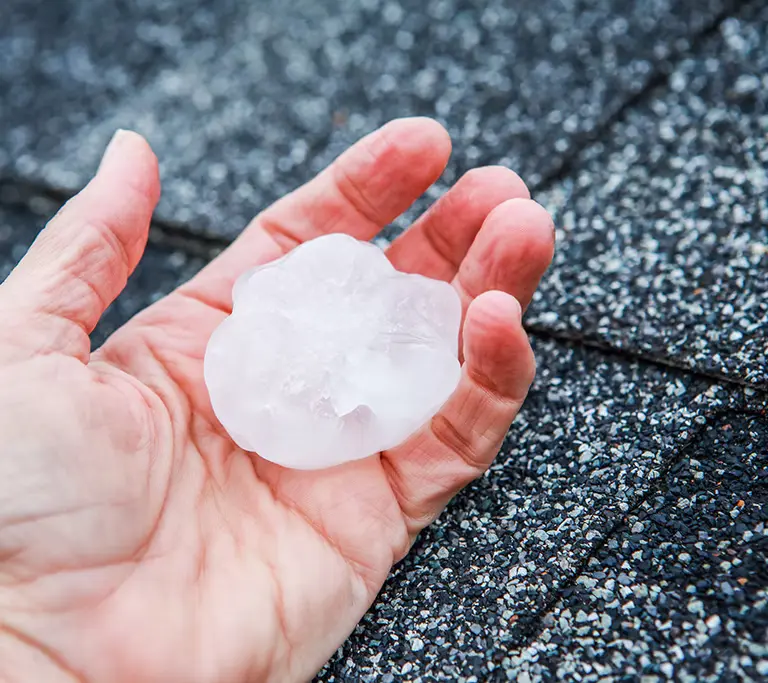
You may not notice conspicuous roof damage after a hailstorm comes through your neighborhood. However, the shingles might have sustained “bruising," which occurs when a hailstone impacts the shingle with enough force to shatter the fiberglass mat inside without breaking the surface.
Bruised shingles appear intact from the top down, but they've lost their structural integrity. The next time a freeze-thaw cycle occurs, that bruised spot will likely crack and become a leak.
Bubbles or blisters forming on your shingles are a glaring red flag. Blistering results from trapped moisture within the shingle, which can develop in response to excessive heat or form due to flaws in the manufacturing process.
If you lack adequate ventilation, Tennessee's summer sun can also superheat your roof deck, causing the asphalt to essentially boil from below. These blisters will eventually pop, leaving a pockmark where all the protective granules are gone. The missing granules will expose the shingle's core to rapid deterioration from UV rays.
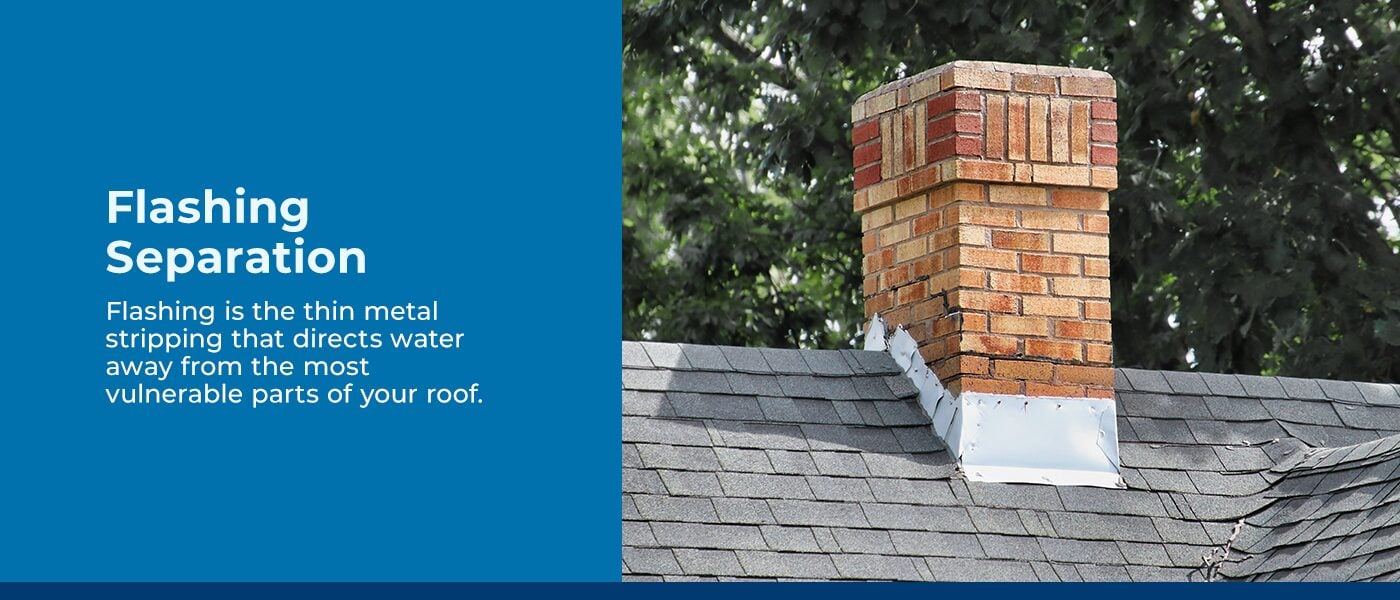
Flashing is the thin metal stripping that directs water away from the most vulnerable parts of your roof, such as chimneys, vents and skylights. Experienced installers seal it to the roof with flexible caulk.
Materials like brick, metal and wood expand and contract at different rates. Over time, this constant movement can break the sealant's bond, creating tiny gaps where water can penetrate.
Whether you're a homeowner or a commercial property manager, it's your responsibility to know how weather affects roofing in Knoxville. Here are answers about roof damage and restoration.
Given the intensity of Knoxville's four seasons, we recommend scheduling a professional roof inspection once a year. An annual checkup allows an expert to spot the subtle effects of thermal shock and UV degradation before they worsen. It's also wise to schedule an inspection after any severe weather event involving hail or high winds.
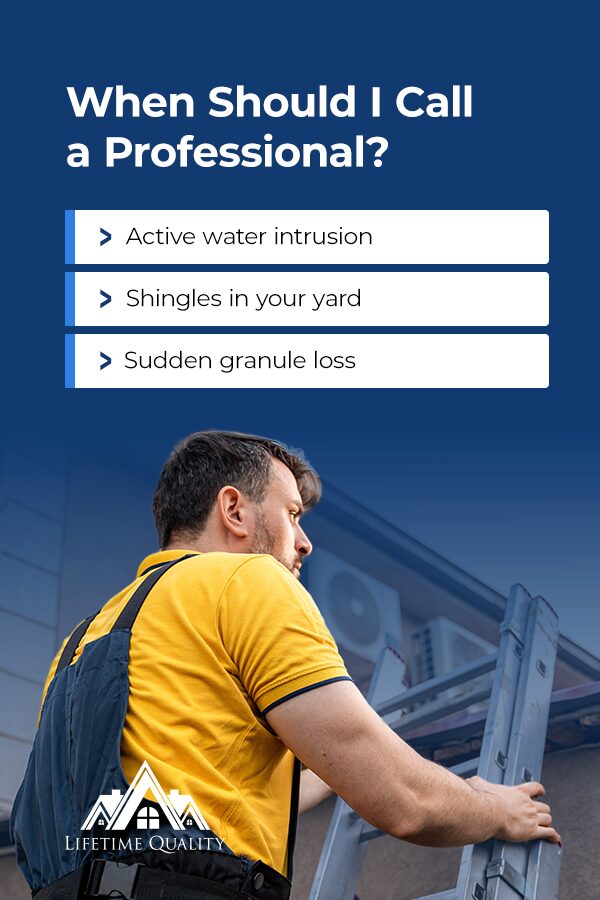
Contact an experienced company to request an assessment if you notice any of these critical warning signs.
Most homeowner insurance policies cover “sudden and accidental” damage, such as a tree falling during a windstorm or distinct hail impacts. However, they typically don't cover normal wear and tear, which includes gradual degradation caused by thermal shock, UV radiation or humidity.
This distinction is why regular maintenance is vital. Annually documenting your roof's condition provides proof of when specific damage occurred, which will be valuable if you need to file a claim.
While it's physically possible to replace individual shingles, it's often not the best long-term solution for older roofs. Shingles that have experienced years of Knoxville's UV radiation will look faded and have a brittle texture. New shingles will not match the color of the existing roof, which adversely affects curb appeal. More importantly, the surrounding shingles may be too fragile to manipulate without breaking their seals, which can create a patch that's weaker than the original roof.
Standard roofing warranties primarily cover manufacturing defects, not severe weather events. If your roof fails due to improper installation or a product flaw, your warranty will likely take care of it. However, if a severe storm bruises a few shingles or tears off whole sections, that is generally an issue to address with your insurance company instead of the manufacturer.
Having a professional install impact-resistant materials can sometimes qualify you for specialized warranty add-ons, so be sure to check the specifics of your product choice.
Given the numerous silent threats facing your roof, prevention is the best strategy. Instead of waiting for problems to emerge, treat your roof like your car. It needs a regular health check to ensure it can handle the demands of its environment. Adopting this proactive mindset prevents minor issues from escalating into expensive disasters.
Professional roofing services in Knoxville, TN, offer inspections that go far beyond a quick check for missing shingles. Trained technicians can get on your roof to accurately perform a comprehensive assessment, measure the rate of granule loss to determine the extent of UV damage and check for the subtle signs of bruised shingles and blistering.
A professional can also inspect your attic — a typical failure point — to ensure your ventilation system is adequate for Knoxville's heat and humidity and meticulously examine every inch of flashing to ensure the seals are intact and secure.
Don't let Knoxville's silent weather threats destroy your home or commercial property's most valuable asset. Understanding your roof's current condition is essential for making informed decisions about its future. A small investment in proactive care today can save you thousands of dollars in emergency repairs tomorrow.
Book a free inspection with Lifetime Quality Roofing and Exterior Services today. Our roofing crew in Knoxville will document existing issues, explain the risks and provide a transparent, understandable roadmap for keeping your property secure. You can sleep soundly through the next storm knowing your roof is in expert hands.