Everything You Need to Know About Cleaning Roof Shingles
Discover the best methods to clean your roof with shingles and improve its longevity. Learn how to clean your roof …
June 27, 2022
7 MIN READ
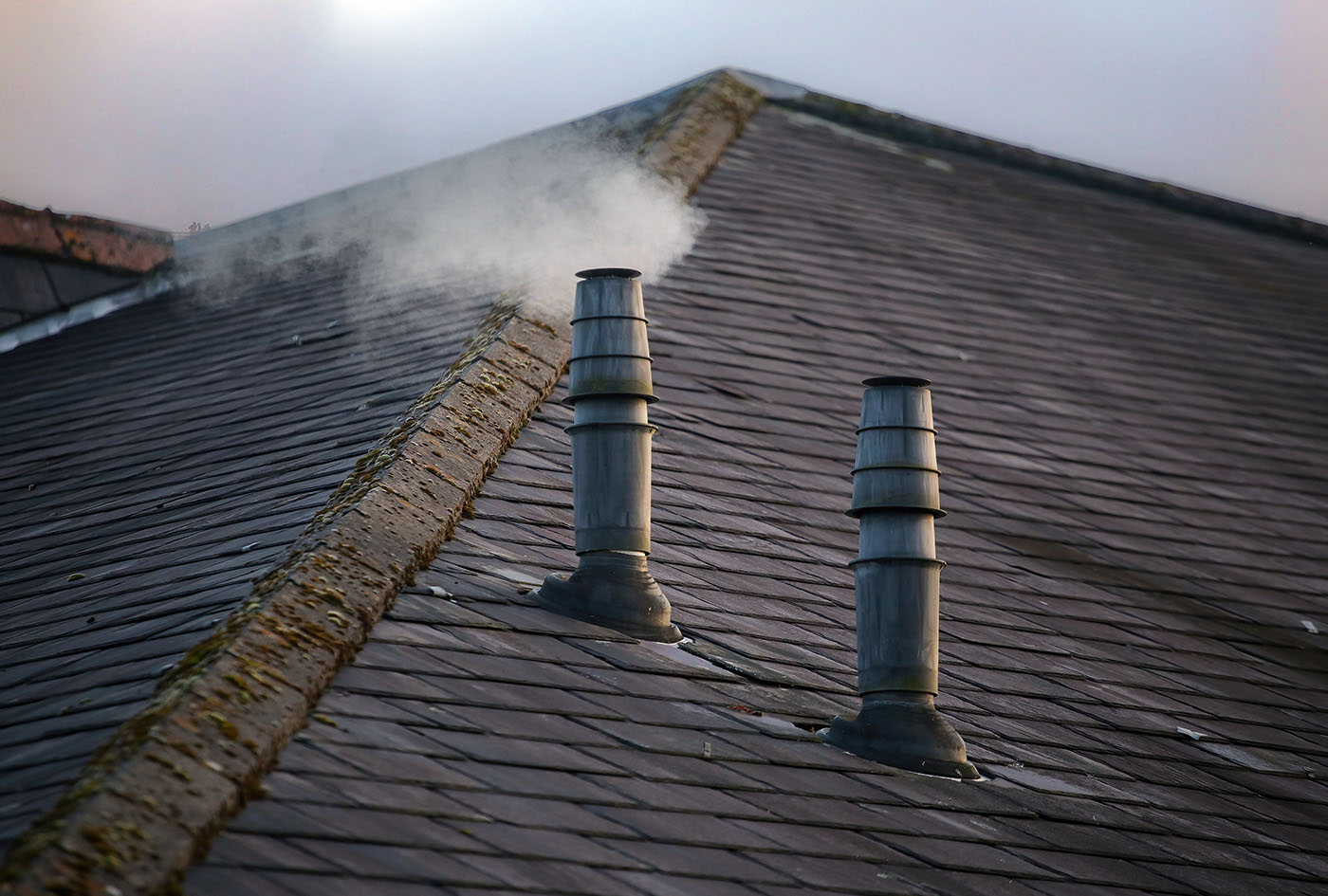
Philadelphia is known for many things, from its role in American independence to its legendary cheesesteaks. The city also has a less appealing claim to fame. Air pollution swirls above Philly's famous skyline, settling on property exteriors.
As you think about your health, spare a thought for the impact these particles have on your home’s crown — its roof. Chemicals react with your roofing materials, causing damage and accelerating wear.
This guide tells the story of how air pollution affects Philadelphia's roofs. Discover the risks, the most resilient materials and the simple steps you can take to protect what matters.
When you think of air pollution, you likely think of allergies, smog alerts and occasional hazy sunsets. The 2025 “State of the Air” report named Philadelphia-Reading-Camden as the third most polluted mid-Atlantic metro area. From particulates to acid rain, the mix of pollutants can chip away at the defenses of roofing materials.
Air pollution is the presence of gas, chemical or biological particles in the air. Beyond harming the health of living beings, these contaminants can damage building materials. They can trigger chemical reactions that aging materials struggle to endure. Over the years, layers weaken, colors dull and protective granules fall away.
Philadelphia’s climate brings frequent precipitation. Raindrops wash pollution onto roofs, then UV rays and heat amplify the assault. The process remains hidden from view, starting small but increasing in strength as time passes.
Philadelphia air pollution affects your roof in many ways. Here are the top offenders and how they impact your roofing:
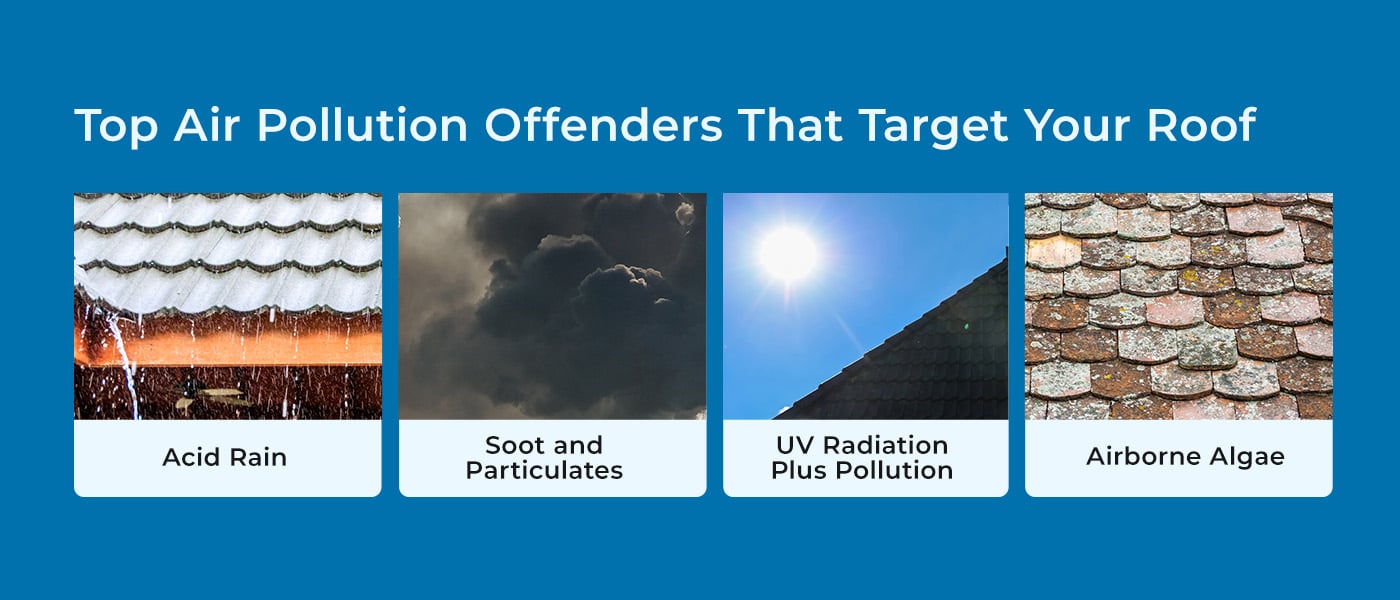
Few environmental villains match acid rain’s reach. The recipe begins high above Philadelphia, where sulfur dioxide (SO2) and nitrogen oxides (NOx) collide. Up in the atmosphere, these gases meet water vapor. They combine to form acids, which drift back to earth in rain, snow, sleet and even dry dust.
Each roofing material reacts to acid rain in its own way:
Pick any clear day in Center City. Even with blue skies, a haze floats over streets and rooftops. This haze contains particles invisible to the eye, known as particulate matter (PM), labeled by size:
Particles ride air currents, settling on every surface. While a dust layer on your deck wipes away with a broom, roofs can capture this city grime for months. When enough accumulates, it reduces solar reflectivity, causing roofing materials to absorb and keep heat. Summer cooling bills climb as temperatures rise beneath the roof deck. The roof’s resistance to sun, wind and water quietly drops. Repeated cycles of heating and cooling from trapped grime speed up weathering.
UV rays and pollution pack a double punch for roofing. Over time, exposure to UV radiation degrades the chemical bonds in roofing materials. Air pollution can accelerate this damage. Chemicals in the dust can weaken roof coatings, leading to faster fading and brittleness.
Philadelphia’s temperatures can jump from hot to cold, then to hot again. Aging, stiff materials lose the ability to flex with the changes. Cracks begin, then widen, making space for the next storm’s rain to infiltrate your home.
Air pollution can transform your roof into a welcoming home for algae and moss. Beyond affecting curb appeal, these organisms can damage your roofing. They trap moisture, degrade shingles and loosen asphalt granules.
At the top of the offenders' list is a blue-green algae called Gloeocapsa magma. This airborne invader spreads across roofing, feeding on limestone fillers inside asphalt shingles. It causes discoloration and black streaks that can ruin the aesthetics of your roof.
A roof's job is simple — to act as the shield keeping outside threats at bay. Air pollution can poke holes in that defense, setting the stage for problems inside.
When roofing stays strong, the house below feels the benefit. The roof insulates, blocks humidity and stops airborne substances from slipping into attics. If acid rain corrodes flashing or particulates wear away shingles, tiny entry points develop. Through these gaps, moisture and pollution flow inward.
Philadelphia’s humidity helps plants thrive, but also creates conditions for mold. When water seeps through cracks in shingles or failed caulking, it pools atop wood rafters and insulation in the attic. Shadows and stagnant air provide the perfect place for mold colonies to flourish.
As the colonies expand, they send out spores, invisible to the naked eye. Crawling through ducts, floorboards and vents, these spores spread throughout every room. Sensitive family members might notice more sneezing or allergies. Under certain conditions, spores can cause respiratory symptoms in anyone, even the healthiest Philadelphian.
Maintaining a clean, sealed, well-ventilated roof forms the backbone of healthy living. Air currents rise through properties in a phenomenon known as the stack effect. When attic vents clog with debris or insulation shifts due to leaks, fresh air struggles to flow. In its place, dust from the polluted roof and attic gets pulled into the upper living spaces. Who knew that the condition of your attic could contribute to that summer allergy flare-up?
When the time comes to replace your roof, the right choice can offer years of defense. Here's how popular materials stack up against pollution.
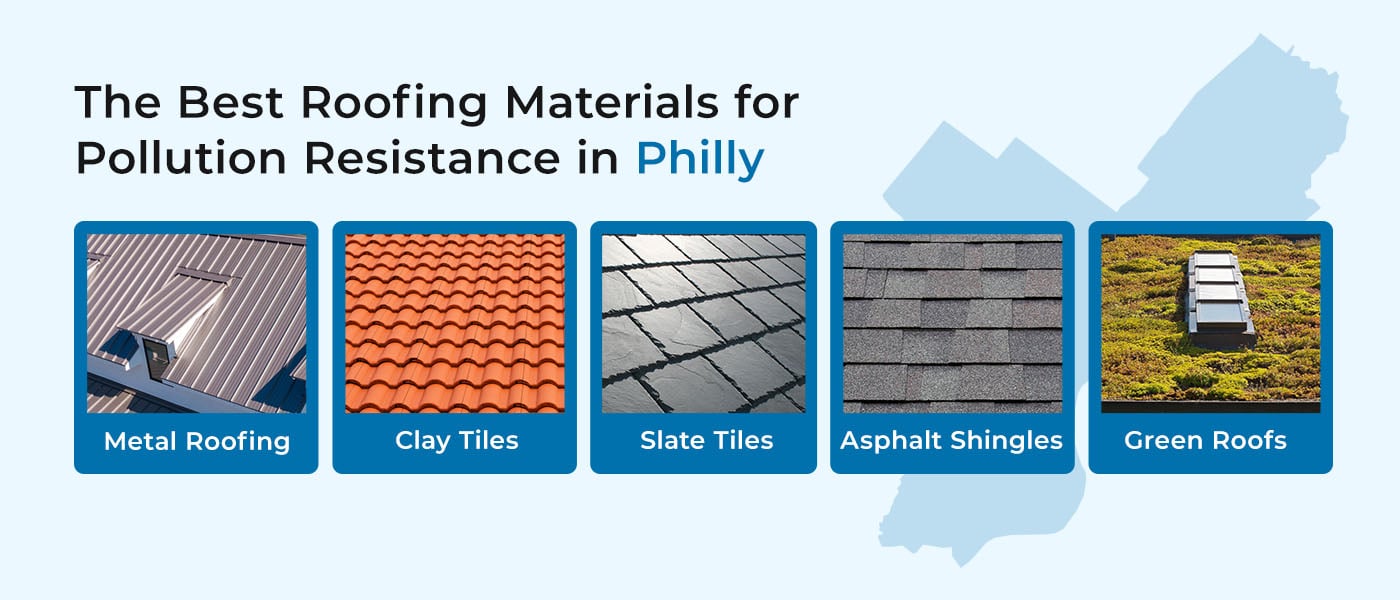
Modern metal roofing fits Philadelphia’s urban personality. Aluminum or steel sheets, layered with specialized coatings, resist corrosion and acid attack. Their smooth surfaces allow rainwater to rinse off grime after each storm. A high-quality finish, such as anticorrosive or stone-coated granules, protects against UV fading and erosion. With proper installation and maintenance, metal roofing boasts exceptional protection.
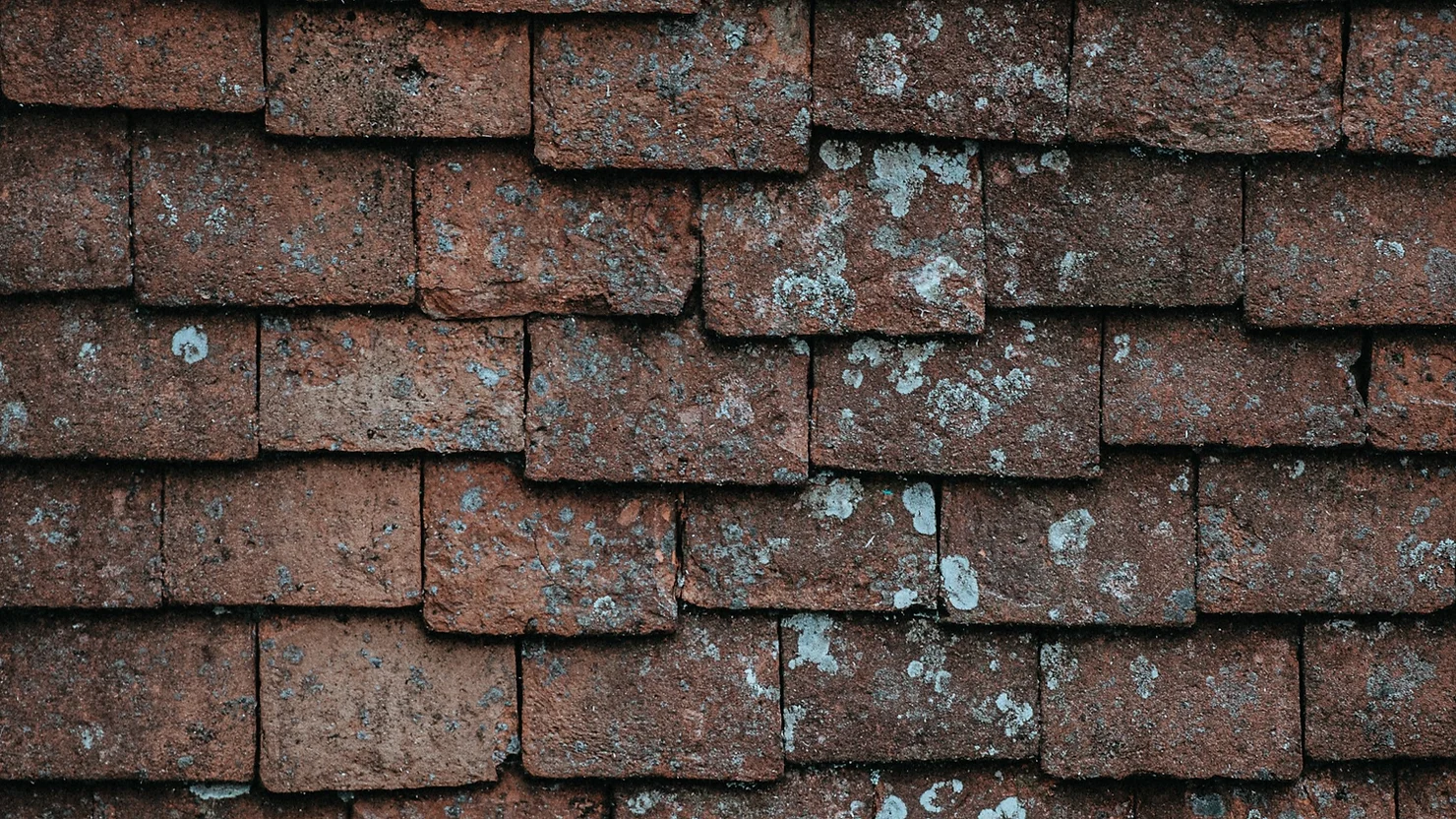
A heavyweight roof choice, clay tiles' density withstands high winds and heavy storms. Unlike with lighter materials, acid rain struggles to leave a lasting mark. Clay tiles absorb less than 1% moisture, helping keep mold and algae at bay. They hold up well during freeze-thaw cycles, common in Philadelphia winters.
With routine care, a clay tile roof can last for over a century, offering natural resistance to pollution.
Slate blends elegance with legendary strength. These stone slabs brush off acid rain and chemical contaminants thanks to their dense composition. Like clay, slate’s weight provides added storm protection. As an eco-friendly, natural material, slate also avoids contributing to air pollution.
A slate roof under proper care can crown a home for 60 to 150 years. The timeline rewards property owners willing to invest in long-term peace of mind.
With their balance of affordability and versatility, asphalt shingles remain a popular choice. Older versions cracked under pollution’s attack, but modern innovations tilt the scale:
With regular maintenance, asphalt shingles can hold up well against airborne pollutants.
Some property owners choose a layer of living vegetation as a pollution shield. A green roof consists of engineered soil and a curated plant selection atop a waterproof base. The result is a vegetative shield that reduces heat islands, filters pollutants and manages rainwater.
Roofing is one of the largest investments in your home. Weather, pollution and the march of time test any material — the costs of ignoring these challenges can skyrocket. Proper maintenance brings a few financial perks:
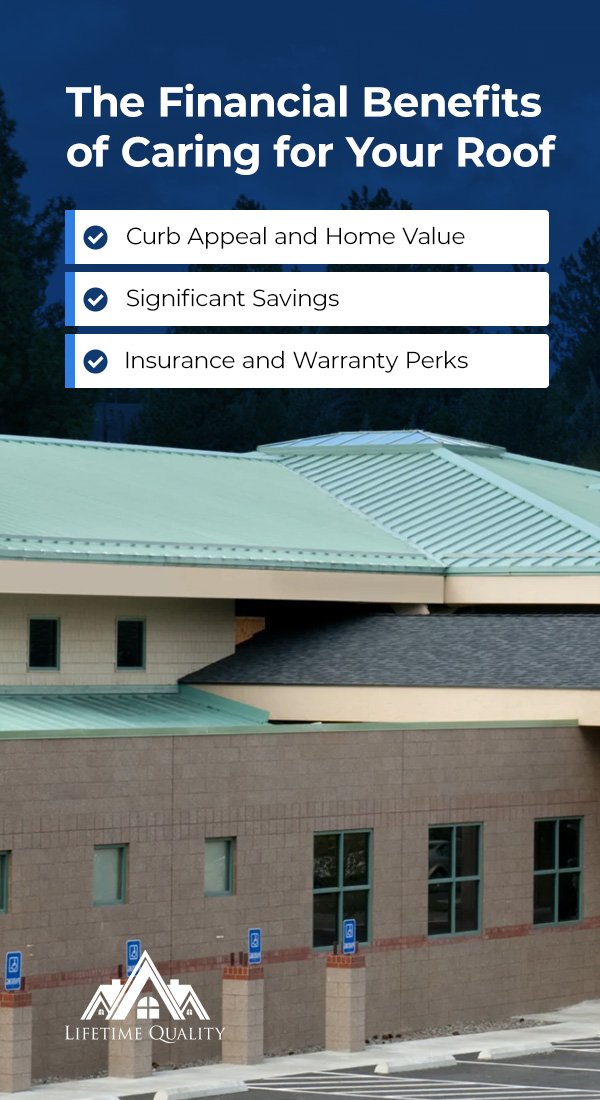
The first impact of Philadelphia air pollution on your home's roof is appearance. Black streaks, moss, discoloration and weathered patches tell a story. For homeowners looking to sell, a neglected roof raises concerns for prospective buyers. Addressing pollution damage on your roof can boost curb appeal and preserve your property's value.
Catching and treating minor roof issues early leads to major cost savings. When you address small problems, like removing soot or cleaning gutters, expenses stay minimal. These affordable fixes often extend your roof’s lifespan, helping you avoid the much higher cost and hassle of a full roof replacement.
Manufacturers design warranties to reward consistent care. They back products and workmanship, expecting homeowners to arrange routine maintenance. Heavy accumulations of moss, algae or grime can jeopardize coverage. Insurance adjusters consider the cause of water damage, tracing leaks back to deferred maintenance where possible. Savvy homeowners avoid claim disputes by keeping a clean, well-documented roof maintenance history.
A total replacement isn't the only way to boost your roof's resilience against air pollution. You can strengthen your existing roof with protective coatings and regular care.
Specialized coatings block pollution from reaching the material beneath. The main types of coatings are:
Each coating brings advantages for certain roof types. Speak with a local roofing professional who understands Philadelphia’s climate and air quality.
Pollution builds up, layer by layer. Cleaning acts as a reset, removing the acidic and particulate buildup from your roof.
DIY cleaning can cause more harm than good. Without the right equipment and know-how, you risk damaging your roof (and yourself). Rather, go the professional route. Technicians use proven methods to wash away grime, soot and algae. They also remove debris from gutters to keep rainwater where it belongs — moving away from the roof deck.
Pollution damage starts small and grows over time. The signs can be easy to miss for an untrained eye, which is why routine inspections are crucial.
Consider arranging an inspection at least twice a year. Pros notice the subtle signs of granule loss, loosened flashing, shingle cracks, streaks and wear. Identifying issues early translates to smaller bills and a longer-lasting roof.
Philadelphia-based roofers are valuable allies in solving air pollution-based roofing damage. Local experts understand the city’s climate and air quality. This knowledge allows them to recommend the best materials with customized maintenance plans.
Their proximity ensures a fast response for roofing repairs or emergencies. Swift action can prevent small pollution-related issues from growing.
Established local companies take pride in their reputation. They offer personalized care, helping you extend your roof’s lifespan and protect one of your greatest investments.
Air pollution in Philadelphia presents a unique, but manageable, challenge to property owners. Lifetime Quality Roofing and Exterior Services understands these challenges. As local experts, we deliver roofing services designed for Philly's environment. Our team can diagnose pollution-related damage and recommend reliable, long-term solutions.
The secret to our success lies in our core values. We support you through quality service, clear communication and warranty-backed workmanship. Whether you need a residential roof replacement or quick repairs, rely on our skilled professionals.
Your home is your most valuable asset. Let us help you secure your property’s future against the invisible elements. Take action today — schedule your free roof inspection or speak to an expert about modern coatings.