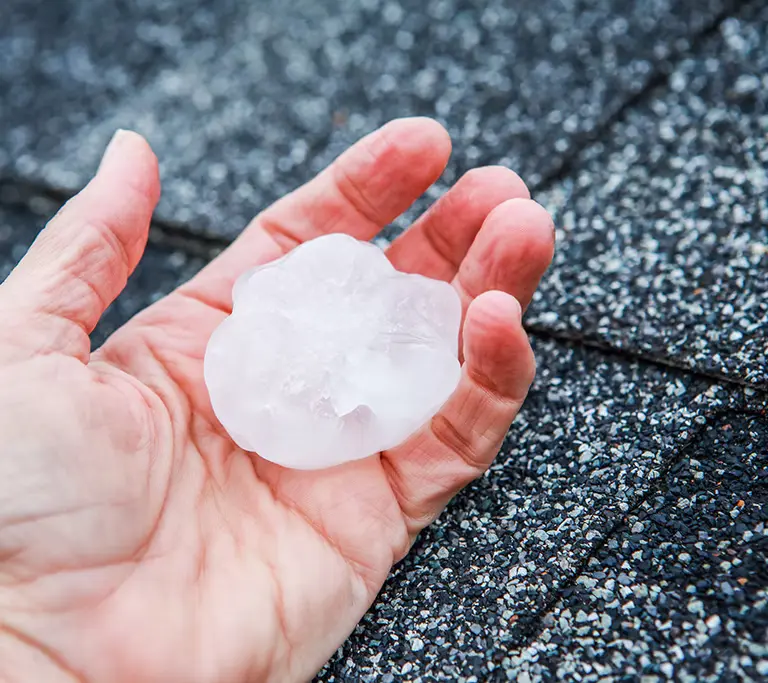
Hail Season is Coming: Is Your Roof Strong Enough to Withstand It?
Spring doesn’t just bring warmer temperatures and longer days to Ohio, Pennsylvania, North Carolina, Florida, and Tennessee. It brings hail …
February 25, 2026
3 MIN READ

Pittsburgh is a city of neighborhoods, each defined by a distinct architectural personality. From the ornate, turreted Victorians to the sturdy brick row houses, the city offers a visual history lesson on every block. Choosing a roof in this area means picking one that respects your home's history while protecting it against the region's unpredictable weather.
Your roof is a functional necessity that makes up a significant portion of your home's exterior. Making the right choice, whether in material, texture, or color, can create a look that increases curb appeal and raises the value of the property.
When selecting a new roof for a Pittsburgh home, you're balancing three critical factors: Aesthetics, durability, and climate resilience. Western Pennsylvania brings rain, snow, distinct freeze-thaw cycles, and humid summers. Therefore, the roofing material you choose must look the part and perform under pressure.
By understanding the specific architectural styles found in Pittsburgh, you can pair them with the perfect roofing solution.
If you walk through neighborhoods like Allegheny West, Shadyside or Highland Park, you're greeted by Victorian era grandeur. These homes, specifically Queen Anne, Second Empire, and Gothic Revival styles, are characterized by their asymmetry, steeply pitched roofs, turrets, and intricate trim work. They often feature bold, contrasting color palettes.
Because Victorian home roofs are often steep and feature complex angles, they're highly visible from the street. A flat, one-dimensional roof will look out of place against the ornate siding and gingerbread trim.
The ideal roofing solution for these kinds of homes is slate. Historically, slate was the material of choice for these grand estates. Natural slate offers a textured, high-end appearance that ages gracefully, often lasting over a century. The stone texture complements the house's heavy detailing without overpowering it.
However, natural slate is heavy and expensive. For those looking into roofing ideas that honor the past without breaking the bank, synthetic slate or composite shingles are excellent alternatives. These materials mimic the hand-cut look of stone but are lighter and easier to install.
For Victorians, you can also consider a roof with a pattern. Scalloped shingles or mixing colors, such as variegated grays and purples, can highlight the architectural drama of the roofline. If using asphalt, opt for architectural shingles that offer a thick, slate-like profile.
Moving into neighborhoods like Squirrel Hill, Regent Square, and Dormont, you'll find the beloved American Craftsman. Emerging in the early 20th century, these homes were a reaction against the excess of the Victorian era. They focus on these features:
The best material choice for a Craftsman mimics wood shake or heavy slate. Dimensional or architectural asphalt shingles are the best roofing solution for these homes. Unlike the flat three-tab shingles of the past, architectural shingles have multiple layers, creating shadow lines that add depth and character to the wide, expansive roof sections typical of a bungalow.
Craftsman homes shine when paired with "earthy" roof colors, such as the following:
These colors harmonize beautifully with the brick porches and stained wood often found on these properties.
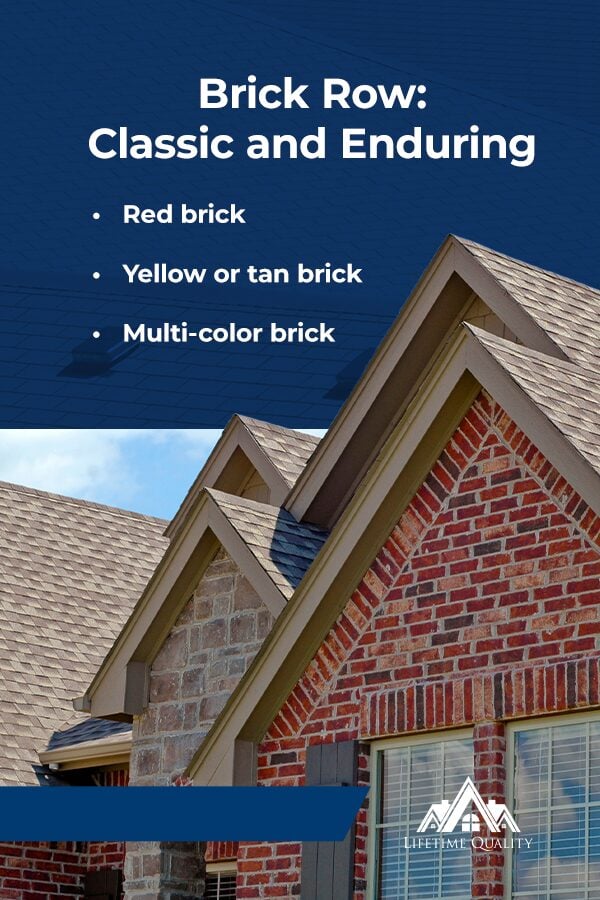
The brick row house is synonymous with Pittsburgh's industrial heritage. Dominating the South Side, Lawrenceville, and Bloomfield, these structures are built for density and durability. Whether they're two or three stories tall, they present a solid wall of masonry to the street.
Many row houses feature a combination of flat roofing, hidden behind a parapet and a visible sloped section at the front. The challenge here is coordinating with the specific shade of brick. Unlike siding, you can't easily paint over brick if it clashes with your new roof.
For the best roofing result, go for color coordination with masonry. For the visible portions of the roof, asphalt shingles are the most common and practical choice. However, the success of the design relies entirely on color theory, as follows:
When searching for roof designs for homes in Pittsburgh, PA, it's also vital to address the flat portion of the roof. While invisible from the street, this section requires specialized, modified bitumen, or ethylene propylene diene terpolymer rubber roofing to effectively handle pooling water and snow accumulation.
As the city expanded into the suburbs in the 1950s and '60s into areas like Bethel Park, Mt. Lebanon, and McCandless, the ranch style took over. These single-story homes are defined by the following:
The low pitch of a ranch roof means the roof surface is visible to anyone standing in the yard or street. It also means that water and snow shed more slowly than on a steep Victorian roof. Because the roof is so dominant visually, you need a material that's clean and crisp.
Colonial Revival homes are scattered throughout Pittsburgh's suburbs, particularly in the North Hills and Upper St. Clair. You can tell these homes from the following features:
Traditional Colonials often used cedar shakes. Today, you can achieve this look with composite roofing or thick-cut asphalt shingles, which are designed to resemble weathered wood. When it comes to a color palette strategy, contrast is key, and you can achieve it in these ways:
Choosing a material is just the first step. To maximize the value and beauty of your Pittsburgh home, consider these expert design tips:
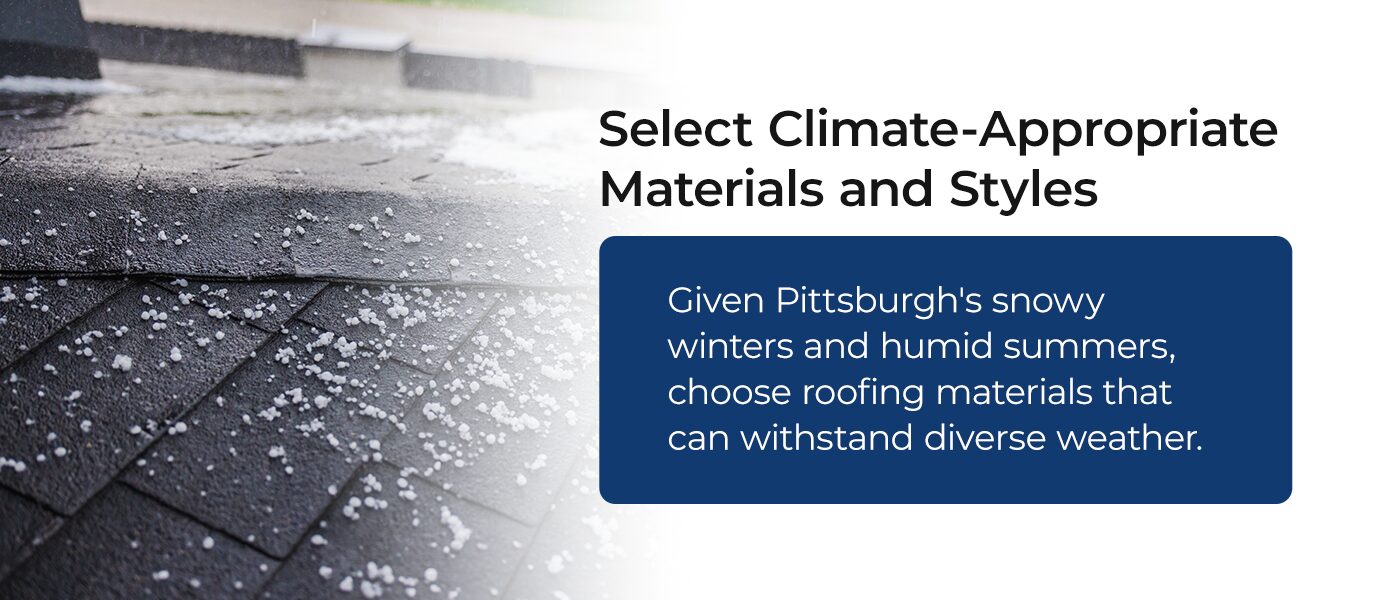
Given Pittsburgh's snowy winters and humid summers, choose roofing materials that can withstand diverse weather. Options like metal roofing offer excellent durability and energy efficiency by reflecting solar heat. Asphalt shingles are cost-effective but may have shorter lifespans. Consider how your roof's style, such as a hip roof or a gable roof, impacts snow accumulation and overall structural resilience.
Pittsburgh's snowfall and freeze-thaw cycles make roof pitch critical. A steeply sloped roof allows snow and ice to slide off naturally, which significantly reduces the structural load and ice dam risk. While lower slopes can work with certain materials like metal, a steeper pitch works with gravity to manage winter weather challenges.
Adequate attic ventilation, combined with robust insulation, is critical. They prevent heat and moisture buildup, which can damage your roof and lead to higher energy bills. Good insulation helps maintain a stable indoor temperature, reducing both heating and cooling costs year-round in Pittsburgh's varied climate.
Use materials designed to reflect more sunlight and absorb less heat. Cool roofs can significantly lower attic temperatures in the summer, easing the burden on your air conditioning system and contributing to energy savings.
Before undertaking any roof design changes or replacements, thoroughly research building codes and any specific requirements from your homeowners association, if applicable. These guidelines might dictate acceptable materials, colors, roof pitches, or architectural styles, and compliance is essential to avoid potential issues.
Consistent maintenance is key to the longevity and efficiency of your roof. Scheduling annual or biannual professional inspections helps identify and repair minor issues, such as damaged shingles, flashing problems or gutter blockages, before they escalate. This proactive approach protects your investment and ensures your roof performs throughout the seasons.
Here are some answers to common questions homeowners in Pittsburgh have about roofs for their homes:
While slate and metal are the most durable against temperature fluctuations, architectural asphalt shingles also offer great performance. These materials can handle the expansion and contraction caused by Pittsburgh's cold winters and hot summers without cracking.
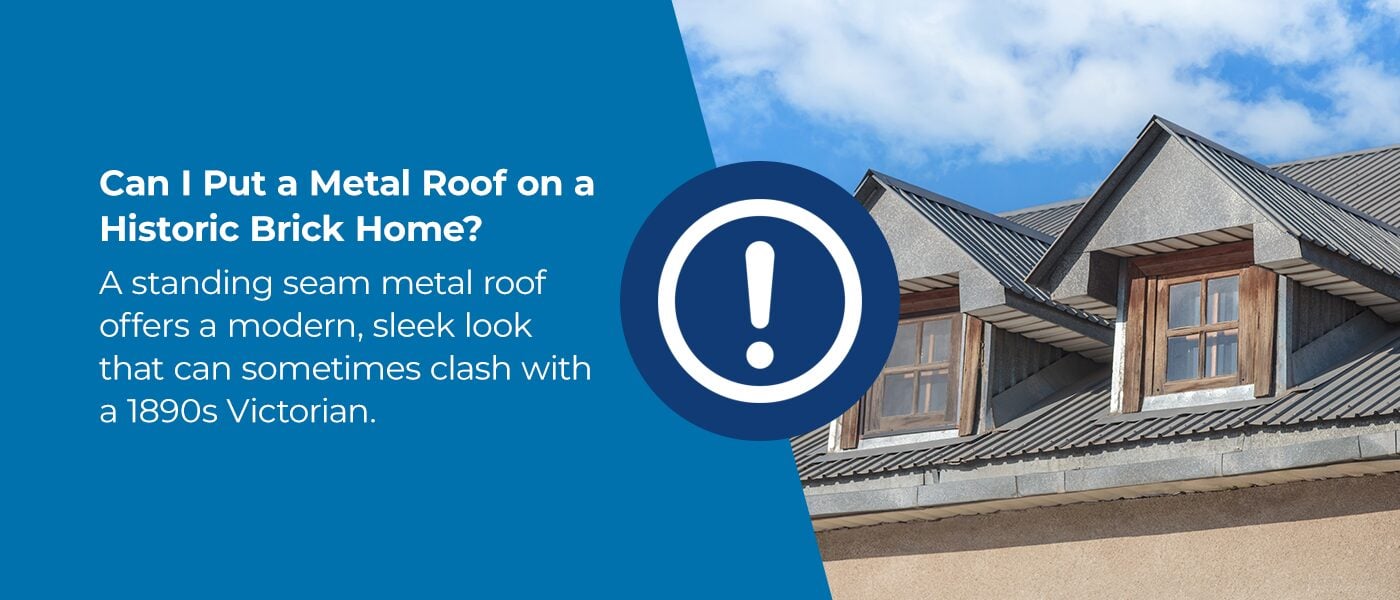
Yes, but the style matters. A standing seam metal roof offers a modern, sleek look that can clash with a 1890s Victorian. However, metal shingles are available that are stamped to look like slate, tile, or wood shake. They offer the metal durability while preserving the historic aesthetic of a brick home.
If you fear a black roof will make your red brick home look too somber, opt for a soft gray or a "weathered wood" blend. These colors provide enough contrast to look clean but are softer and more inviting than jet black. Avoid brown roofs on red brick homes, as the red and brown undertones often clash.
Yes, the color of your roof can impact your energy bills. Dark-colored roofs absorb more sunlight, turning heat into higher attic and indoor temperatures, which forces your air conditioning system to work harder in warm weather. Conversely, light-colored or cool roofs reflect a greater proportion of sunlight, keeping the roof surface and indoor spaces cooler.
In the Pittsburgh area, a typical asphalt shingle roof lasts 20 to 30 years, influenced by factors like shingle quality, installation and maintenance. The Pittsburgh climate can accelerate wear and tear, shortening roofs' lifespan. Clay tile roofs can last 50 years or more, while some metal roofs can last 30 years or longer.
Preserving the character of your Pittsburgh home while ensuring it can withstand rain, snow, and wind requires a partner who understands local architecture and roofing materials. Lifetime Quality Roofing and Exterior Services is your trusted expert. We help elevate your home's curb appeal and value.
We take pride in our transparency, top-tier craftsmanship, and a deep knowledge of the specific challenges Pittsburgh homeowners face. From helping you select the perfect color blend to installing the roof, our team is with you every step of the way. Call us today at 412-415-7663 for more information or book a free roof inspection and design consultation.