Everything You Need to Know About Cleaning Roof Shingles
Discover the best methods to clean your roof with shingles and improve its longevity. Learn how to clean your roof …
June 27, 2022
7 MIN READ
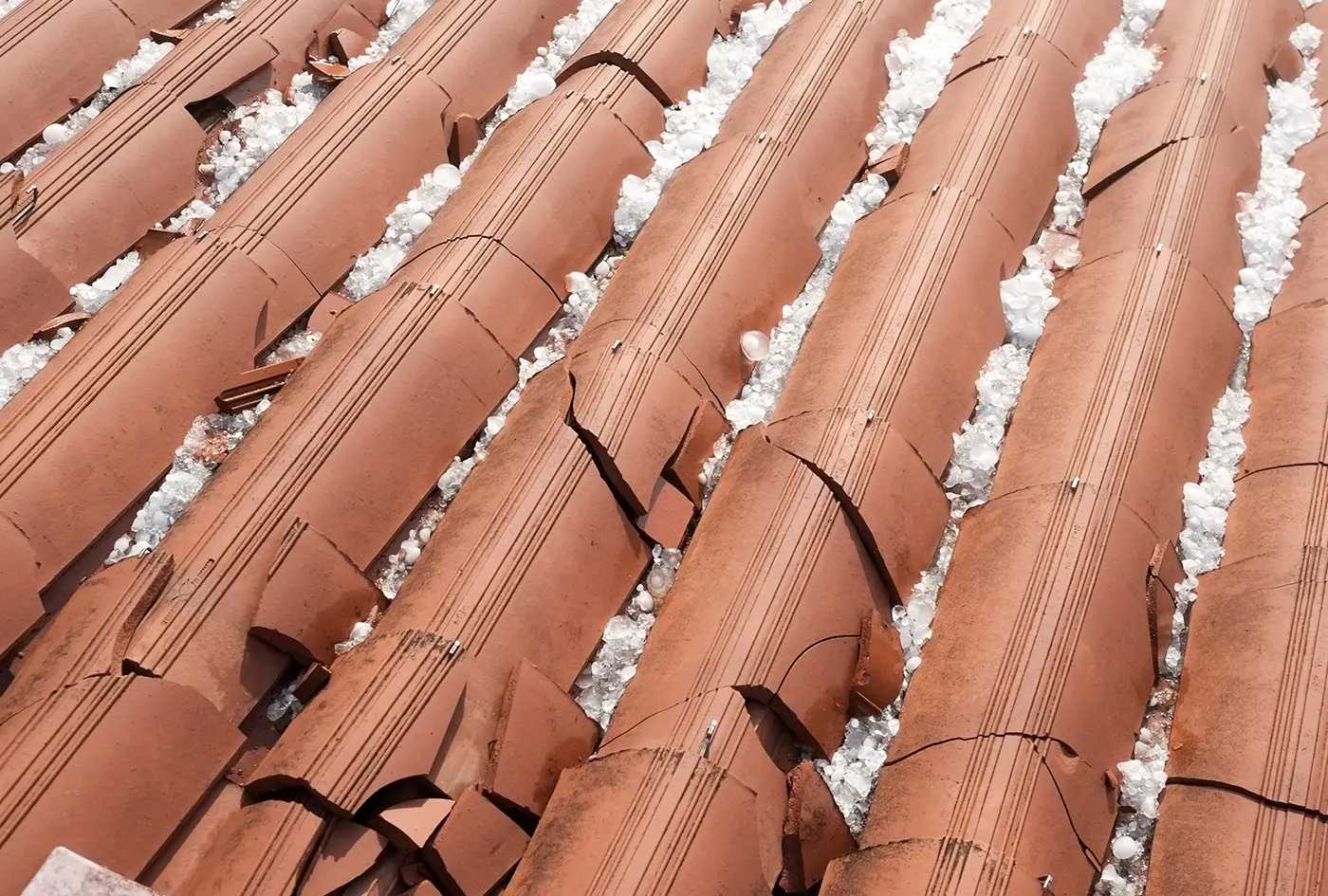
Hailstorms can damage your roof in ways that aren't immediately visible. Bruised shingles, granule loss and subtle cracks often go unnoticed for months — quietly compromising protection and leading to water damage, mold and costly repairs. This guide shows you what to look for, how to inspect safely and when scheduling a professional assessment becomes essential.
NASA recognizes the potential damage caused by hailstorms, and researches these sophisticated systems to help minimize damage. These storms are considered some of the most catastrophic, in terms of insurance, with some storms causing damage in excess of $1 billion. Scientists use satellite data to track storm formation, hail size and ground impact zones.
When a hailstone strikes your roof, it transfers kinetic energy. Various factors can affect the extent of the damage. For instance, larger hailstones carry more mass and hit harder. Wind increases velocity and changes the angle of impact, driving stones into vertical surfaces and creating damage patterns that wouldn't occur in windless conditions.
While it may seem like damage would be easy to discern, identifying hail damage on a roof isn't always straightforward. Due to subtle hail damage, which causes slow deterioration, this kind of damage often requires expertise to fully assess.
Different roofing materials respond to hail impact in distinct ways, such as:
Damage appears differently across surfaces. This is why checking gutters, siding and other exterior components confirms whether a hailstorm was severe enough to warrant concern.
Asphalt shingles are a popular roofing type in the United States. Once you know the general signs of hail damage on a roof, asphalt shingles reveal damage in recognizable patterns.
Granule loss from hail is one of the most common signs of storm damage. These ceramic-coated mineral particles protect the asphalt underlayer from sun exposure and weathering. When hail strikes, it dislodges granules, leaving bare patches.
Check your gutters and downspouts after a suspected hailstorm. Excessive granule accumulation, which looks like dark, sand-like sediment, often indicates damage. However, granule loss can also result from normal aging or heavy rain. Because hail damage tends to camouflage itself, professional evaluation is necessary to distinguish storm damage from typical wear.
Shingle bruising represents more insidious damage. When detecting hail dents, you're looking for areas where impact fractured the fiberglass mat beneath the surface without breaking through the top layer. These subtle hail damage signs feel soft or spongy when pressed — a clear indicator that the shingle's structural integrity has been compromised.
Bruised shingles may not leak immediately, but they've lost their ability to resist future weather events. The fractured mat allows moisture penetration, accelerating deterioration and shortening lifespan.
Cracks and punctures represent the most severe damage. Large hailstones, typically those exceeding 2 inches in diameter, can split shingles completely or puncture straight through to the roof deck.
Shingle hail damage shows as distinct breaks, often with exposed underlayment visible. If you spot cracks or holes, immediate professional assessment is essential — water infiltration can damage roof decking, insulation and interior structures within days.
Always begin your inspection at ground level. The goal is to determine whether professional assessment is warranted, not to perform a comprehensive evaluation yourself. Start outdoors, examining accessible areas, then move inside to check for interior signs. Document everything with photos, noting the date and location.

Look for "collateral evidence" on soft metals and vulnerable surfaces around your property. Check these areas for signs of damage:
These indicators help you assess the storm's severity from ground level. If hail dented aluminum gutters or harmed AC units, your roof almost certainly sustained impact, even if the roof damage isn't visible from below.
Your attic provides critical information about roof deck integrity. On a sunny day, enter your attic and turn off artificial lighting to check for these warning signs:
Water stains can result from various issues. However, if they appear shortly after a hailstorm, it warrants an immediate professional roof inspection for hail damage. When the damage is obvious, repair is necessary.
Thorough documentation strengthens your insurance claim significantly. Insurance adjusters rely on visual evidence, and comprehensive records establish damage extent and connection to specific weather events. Follow these steps:
When ground-level indicators suggest a significant impact, professional assessment becomes essential. Roofers trained in storm damage evaluation spot issues that may be invisible to homeowners. These include compromised flashing, subtle mat fractures and damage patterns predicting future failure.
Experienced roofers provide documentation that insurance companies trust. A professional hail damage assessment includes detailed reports, measurements and photo evidence prepared for claim submission. This expertise can mean the difference between denied and approved claims.
Certified contractors understand safety protocols, carry proper insurance, use fall protection equipment and can navigate your roof without causing additional damage. These are significant benefits that outweigh any perceived DIY savings.
Your roof represents one of your home's most significant protective systems and financial assets. Knowing how to spot hail damage on roof surfaces prevents minor issues from escalating into structural problems.
Lifetime Quality Roofing and Exterior Services provides comprehensive inspections of storm damage, with photos, to document every detail for your insurance claim. Our expert assessments reveal hidden damage, and we guide you through restoration with complete transparency.
Book your free, no-obligation inspection today.